Pests
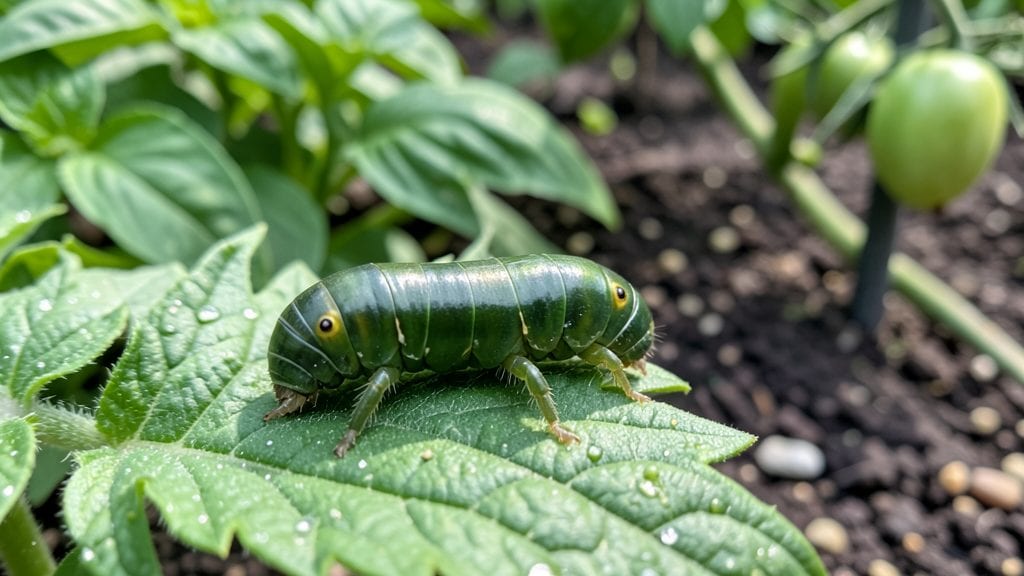
Tomato plant grubs are the sneaky culprits behind wilting vines and stunted growth—yet most gardeners don’t realize they’re there until it’s too late. 🌱 I’ve wrestled with these underground pests for years, and what I learned changed how I protect my tomatoes without harming the soil or future plants.
The damage starts small—roots chewed into sawdust, stems collapsing like overripe fruit—but the real kicker? Most grub treatments kill more than just the pests.
Instead of harsh chemicals, I’ve perfected a three-step humane approach: hand-picking larvae at dusk, trapping them with simple soil amendments, and preventing future invasions with foolproof companion plants.
By the end of this, you’ll spot grubs before they strike, remove them without a single chemical, and still harvest juicy, vine-ripened tomatoes all season. No more guessing games—just healthy plants and a thriving garden ecosystem.
Works for backyard plots, raised beds, and even container gardens, no matter your experience level. Let’s get those grubs out for good—without the collateral damage.
Root Causes Of Tomato Plant Grubs
When your tomato plants start looking ragged or suddenly wilt despite proper care, grubs are often the sneaky culprits. These underground pests don’t just appear out of nowhere—they thrive because of specific conditions that make your garden an all-you-can-eat buffet.
Understanding why they target your tomatoes helps you stop them before they ruin your harvest. Here’s the breakdown of the most common triggers:
Grubs—especially those from Japanese beetles or European chafer beetles—love lush, nutrient-dense soil. When you amend your garden with compost, manure, or leaf litter, you’re essentially rolling out the welcome mat for their larvae.
These pests prefer soft, moist, and fertile soil because it’s easier for them to burrow and feed on roots.
Why it happens:
- Excess nitrogen from organic matter speeds up plant growth, but it also attracts beetles that lay eggs in the soil.
- Loose soil structure provides the perfect hiding spot for grubs, shielding them from predators and pesticides.
- Overwatering keeps the soil too damp, creating an ideal incubator for grub development.
Actionable fix: Balance soil fertility with sand or perlite to improve drainage and reduce organic matter in planting beds. Test your soil’s nitrogen levels—aim for a moderate (not high) reading.
Grubs don’t just pop up—they’re the larval stage of beetles that first infest your garden. If you’ve spotted Japanese beetles, June bugs, or chafer beetles feasting on your tomato leaves, their eggs are likely already buried in the soil, waiting to hatch into grubs.
Why it happens:
- Adult beetles lay eggs in warm, moist soil (60–90°F), which is common in late summer or early fall.
- Tomatoes attract beetles because their foliage is a protein-rich snack, encouraging beetles to linger and reproduce.
- Grubs take 10–14 months to mature, meaning last year’s beetle problem could still be wreaking havoc underground.
Actionable fix: Monitor for adult beetles in June–August and use row covers or neem oil sprays to deter them. Handpick beetles early in the morning when they’re sluggish.
Grubs need moisture and shelter to survive. If your tomato plants are in heavily irrigated or waterlogged soil, you’re creating a grub paradise. Similarly, compacted soil from foot traffic or machinery makes it harder for roots to compete with grubs for nutrients.
Why it happens:
- Excess water suffocates roots but keeps grubs hydrated and active year-round.
- Compacted layers prevent beneficial nematodes (natural grub predators) from reaching the pests.
- Slow-draining soil extends the grub’s life cycle, as they can’t pupate properly in anaerobic conditions.
Actionable fix:
- Install drip irrigation to deliver water directly to roots and reduce soil saturation.
- Aerate compacted soil with a garden fork or gypsum amendments to improve structure.
- Let the topsoil dry slightly between waterings to discourage grub activity.
Healthy gardens have a balanced ecosystem where predators like birds, toads, ground beetles, and parasitic nematodes keep grub populations in check. If your soil lacks biodiversity, grubs multiply unchecked.
Why it happens:
- Pesticide use kills both pests and their natural enemies, creating a vacuum that grubs fill.
- Monoculture planting (growing only tomatoes) reduces habitat diversity for predator species.
- Urban or suburban gardens often have fewer birds and amphibians due to habitat loss.
Actionable fix:
- Introduce beneficial nematodes (like Heterorhabditis bacteriophora) to target grubs naturally.
- Plant companion plants like marigolds, dill, or basil to attract predator insects.
- Avoid broad-spectrum pesticides; opt for targeted sprays (e.g., kaolin clay for beetles).
Grubs don’t choose your garden randomly—they’re responding to conditions you can control. By addressing soil health, beetle populations, water management, and ecosystem balance, you’ll make your tomatoes less appealing (and more resilient) to these underground invaders.
Effective Ways to Remove Grubs Safely
Discovering grubs munching on your tomato plants can feel like a nightmare, but don’t panic—there are humane and effective ways to tackle these pests without harming your garden’s future. The key is identifying the cause and applying the right solution.
Below, we’ve mapped out practical fixes for the most common scenarios, along with prevention tips to keep your tomato plants thriving.
Grubs thrive in soggy, poorly drained soil, which weakens tomato roots and invites pests. If your plants are struggling with waterlogged conditions, start by improving drainage and reducing excess moisture.
🌱 Step-by-Step Fix:
- 🔪 Test Your Soil Dig a small hole (6–8 inches deep) near your tomato plants. If water pools or drains slowly after 30 minutes, your soil is too compacted or clay-heavy.
- 🏗️ Amend the Soil Mix in organic matter like compost, coconut coir, or aged manure to loosen the soil. For heavy clay, add sand or perlite (1 part amendment to 3 parts soil).
- 💧 Adjust Watering Habits Water deeply 2–3 times per week (early morning) instead of daily shallow watering. Use a soaker hose or drip irrigation to deliver moisture directly to roots.
- 🌡️ Monitor Moisture Levels Stick your finger 2 inches into the soil—if it’s damp, wait before watering again. Mulch with straw or wood chips to retain moisture without over-saturating.
💡 Prevention Tip:
Install French drains or raised beds if your garden is prone to waterlogging. Grubs avoid well-drained soil, so healthier roots = fewer pest problems!
If grubs are already feasting on your tomato plants, act fast with non-toxic, humane solutions that disrupt their life cycle without chemicals.
🍄 Best Natural Remedies:
| Method | How to Use | Effectiveness |
|---|---|---|
| 🌿 Neem Oil Spray | Mix 1 tsp neem oil + 1 tsp mild soap + 1 quart water. Spray foliage and soil at dusk (avoids harming bees). | ⭐⭐⭐⭐ (Disrupts feeding & egg-laying) |
| 🥔 Coffee Grounds | Sprinkle used, cooled grounds around the base of plants. Grubs dislike the acidity. | ⭐⭐⭐ (Short-term deterrent) |
| 🐛 Beneficial Nematodes | Apply Heterorhabditis bacteriophora nematodes to soil (follow package instructions). They paralyze grubs naturally. | ⭐⭐⭐⭐⭐ (Long-term control) |
| 🌿 Diatomaceous Earth | Lightly dust food-grade DE around plant bases (reapply after rain). Avoid overusing—it can harm soil microbes. | ⭐⭐⭐ (Physical barrier) |
👨🍳 DIY Trap Crop Method:
- Plant a sacrificial crop like radishes or lettuce near your tomatoes.
- Grubs will migrate to these faster-growing plants.
- Once pests are concentrated, remove and compost the trap plants (or dispose of them in sealed bags).
✨ Pro Tip:
Rotate crops annually—grubs target the same plants (like tomatoes) year after year. Plant marigolds or basil nearby—their strong scents repel pests naturally.
If grubs have already caused significant damage, you may need to physically remove them while protecting your plants for the future.
🕵️♂️ How to Find & Remove Grubs:
- 🔍 Inspect the Soil Gently dig around the base of the plant (6–8 inches deep). Look for white, C-shaped larvae (grubs) or their brown pupal cases.
- 🧽 Handpick or Scoop Them Out Use a small trowel or spoon to lift grubs from the soil. Drop them into soapy water to kill them instantly.
- 🛡️ Install Physical Barriers
- Row Covers: Use floating row covers early in the season to block adult beetles (grub parents) from laying eggs.
- Copper Tape: Wrap copper tape around pot edges (if using containers) to deter beetles.
⏰ Best Time to Act:
Early morning or evening (when grubs are near the surface feeding). Avoid disturbing them during the day—they’ll burrow deeper!
Grubs return year after year if their favorite conditions persist. Here’s how to disrupt their life cycle for good:
- 🌱 Plant Resistant Varieties: Choose tomato varieties like ‘Mountain Merit’ or ‘Celebrity’, which are less attractive to pests.
- 🐝 Encourage Predators: Attract birds, toads, and ground beetles by adding a small water source or native plants to your garden.
- 🌡️ Solarize the Soil (For Extreme Cases):
- Cover bare soil with clear plastic for 4–6 weeks in hot sun. Temperatures rise to 140°F+, killing grubs and eggs.
- Best done in late spring or early summer.
- 📅 Planting Schedule:
- Avoid planting tomatoes in the same spot for 3–4 years (crop rotation).
- Interplant with garlic or onions—their scent confuses grubs.
With these targeted, humane solutions, you can reclaim your tomato plants without resorting to harsh chemicals. Start with soil fixes and natural repellents, then move to manual removal if needed. Soon, your garden will be grub-free—and ready for a bountiful, pest-resistant harvest! 🍅🌱
Frequently asked questions
What do tomato plant grubs look like, and how can I tell if my plants are infested?
Grubs are white, C-shaped larvae about 1/2 to 1 inch long with brown heads. Look for chewed roots (they resemble sawdust) or wilted plants despite proper watering. Dig around the base—if you find these pests, your tomatoes are under attack.
Are coffee grounds really effective against grubs, or is that just a myth?
Coffee grounds do work as a short-term deterrent! The acidity disrupts grubs’ feeding habits. Sprinkle used, cooled grounds around plant bases, but reapply every 2–3 weeks since rain washes them away. For long-term control, pair with beneficial nematodes.
Can I use chemical pesticides safely around tomato plants?
Chemicals like imidacloprid or carbaryl kill grubs but harm beneficial insects and soil microbes. If you choose pesticides, opt for targeted treatments (e.g., grub-specific granules) and apply early morning to minimize bee exposure. Always follow label instructions.
How do I prevent grubs from returning next season?
Rotate crops annually (avoid planting tomatoes in the same spot for 3+ years) and use companion plants like marigolds or basil. Solarize soil in late spring (cover with clear plastic for 4–6 weeks) to kill eggs. Encourage predators like birds and ground beetles with shallow water sources.
Will my tomato plants recover if I remove the grubs now?
Yes! Once you handpick or treat the grubs, healthy roots will regrow in 2–3 weeks. Prune damaged foliage to redirect energy to recovery. For severe cases, fertilize with compost tea to boost root strength. Monitor soil moisture—grubs return if conditions stay ideal!