
Lawn
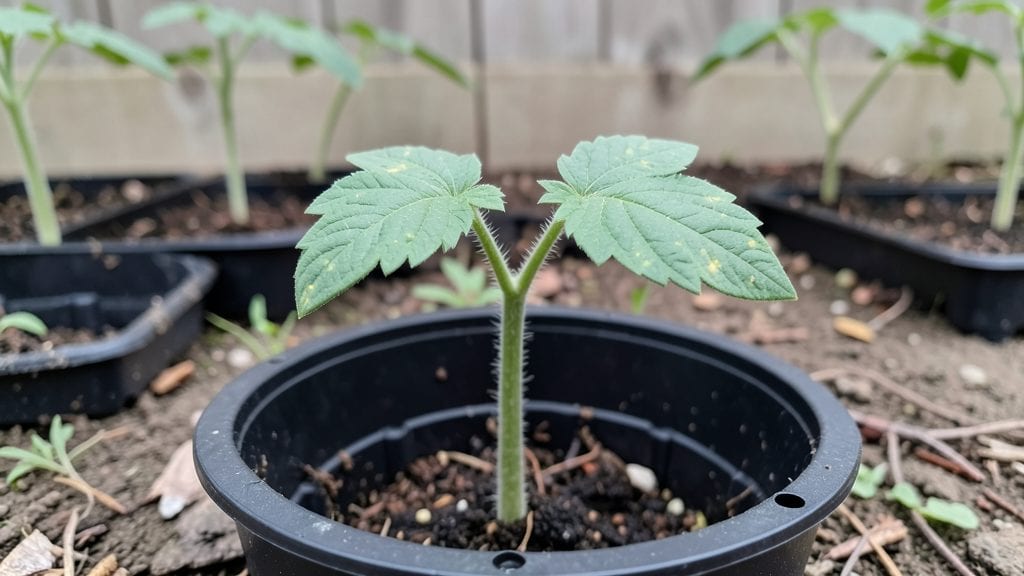
Weather for seed planting depends on soil temperatures—most cool-season crops thrive in 45-75°F soil, while warm-season seeds need 60-90°F. Check frost dates and rainfall forecasts to avoid transplant shock or seed rot. Morning planting is ideal to prevent wilting in hot conditions.
Getting the weather right for seed planting isn't just about checking a calendar—it's about understanding how temperature and moisture work together to create the perfect conditions for germination. 🌱 Cool-season vegetables like lettuce and peas actually prefer slightly cooler soil, while tomatoes and peppers need warmth to break dormancy.
I always test soil temperature with a thermometer before planting, especially in transitional seasons when mornings are chilly but afternoons heat up. This small step can mean the difference between a thriving garden and wasted seeds.
Another key factor is timing your planting around local weather patterns. Heavy rains can wash away seeds or cause rot, while dry spells might require extra watering.
That's why I recommend planting early in the morning—the cooler temperatures reduce evaporation and give young seedlings a better chance to establish roots before the heat of the day sets in.
💡 In This Article
- Soil Temperature Rules for Seed Germination
- Regional Seed Planting Calendars by Climate Zone
Soil temperature rules for seed germination
Seeds have specific temperature thresholds because their germination process relies on enzymatic activity that's highly sensitive to heat. For cool-season crops like broccoli or spinach, soil temperatures between 45°F and 75°F trigger enzymes that break down stored nutrients in the seed, kickstarting growth.
Below 40°F, these enzymes become sluggish, causing what's called "chilling injury"—seeds may rot instead of sprouting. Warm-season seeds like cucumbers or beans, however, need 60-90°F soil to activate their heat-sensitive enzymes, which are designed to prevent premature germination in cold conditions.
The science gets even more precise when you consider that seeds have an "optimal temperature range" where germination rates peak. For example, pepper seeds germinate best at 80-85°F, but above 95°F, their cell membranes start breaking down—what scientists call "heat stress."
This is why planting too early in hot climates can lead to poor germination, even if the air temperature seems right.
A soil thermometer (available for under $15) measures the actual ground temperature at seed depth (1 inch for most crops), which can differ dramatically from air temperature—especially in sandy soils that heat up faster.
Frost dates correlate with planting windows because they signal when soil temperatures will consistently stay within a crop's ideal range. In Zone 5, for instance, the last spring frost typically occurs around May 15th, but soil may not reach 50°F until two weeks later.
This lag explains why seed packets often recommend planting 2-4 weeks after your average last frost date—it accounts for both air and soil warming patterns. Coastal areas complicate this further because ocean breezes can keep soils 5-10°F cooler than inland locations at the same latitude.
What most gardeners overlook is how moisture interacts with temperature. Seeds need consistent moisture to activate their enzymes, but if soil stays too wet above 75°F, fungal pathogens like Pythium thrive, causing "damping off" in seedlings.
This is why morning planting in hot climates works—soil temperatures are cooler, evaporation is slower, and you avoid the 100°F+ midday conditions that can cook seeds before they sprout.
Even a 10°F difference in soil temperature can double or halve germination rates, which is why precision matters more than general weather forecasts.
Consider this real-world example: In Phoenix, Arizona (Zone 9), tomato seeds planted in March often fail because daytime soil temps exceed 90°F—even though the air feels mild. But if you wait until April, soil temperatures drop to 75-85°F range by mid-morning, giving seeds the perfect environment.
The same principle applies to northern climates: Planting lettuce in 50°F soil in September works because the cool nights prevent bolting (premature flowering), while planting in 70°F soil in June would cause the plants to go to seed too quickly.
For those using raised beds, remember that they heat up 5-10°F faster than ground soil. Black plastic mulch can add another 5°F to soil temperature, while straw mulch insulates against heat spikes. These adjustments turn general temperature rules into actionable strategies for your specific growing conditions.
The key takeaway? Don't guess—measure your soil temperature for 3-5 days before planting to confirm it matches your seeds' needs. 🌡️