Transplanting
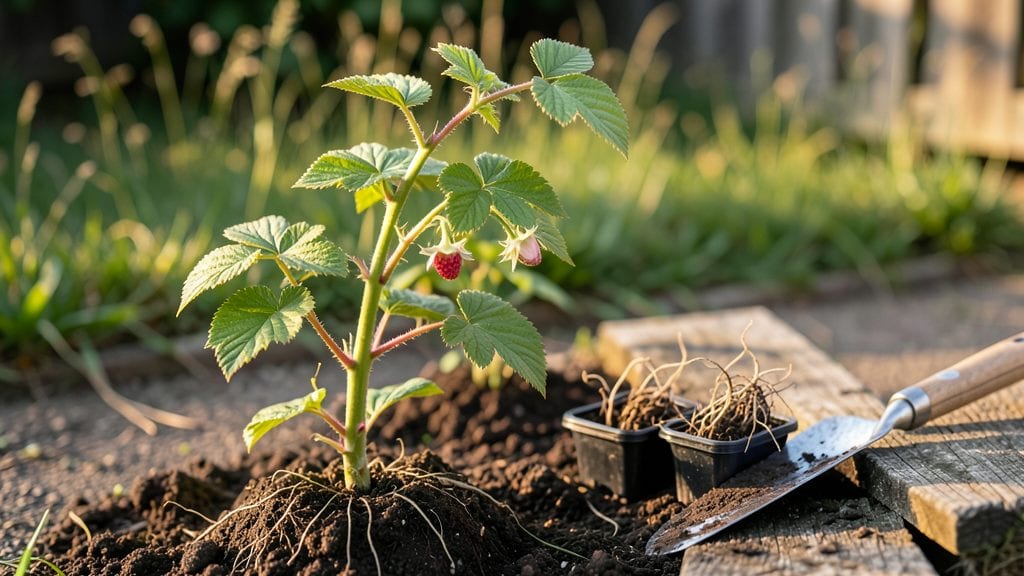
Planting Willamette raspberries starts with soil that feels like a warm hug for roots—rich, well-draining, and packed with organic matter. I learned the hard way that skipping this step means struggling canes and meager harvests.
These berries thrive when the soil pH sits between 5.5 and 6.5, and they deserve that perfect balance to reward you with sweet, golden-red fruit by midsummer.
The secret isn’t just the soil—it’s the way you prep it. Amend your native dirt with 3 inches of compost and a handful of balanced fertilizer (10-10-10 works wonders), then till it to a depth of 12 inches.
Willamette raspberries love space too: plant canes 2 feet apart in rows 6 feet apart to give them room to stretch and breathe. And here’s the kicker—bury the roots 2 inches deeper than they were in the nursery pot to encourage strong root growth.
Once planted, keep the soil consistently moist (not soggy) for the first 30 days, and watch as those canes shoot up with vibrant green leaves by spring.
The real magic happens when you prune old canes after harvest—this variety produces on floricanes (second-year growth), so patience pays off with bigger berries next season. You’ll know you’ve nailed it when your neighbors start asking for cuttings.
Willamette raspberries are zone 5-8 superstars, but timing matters: plant bare-root canes in early spring (before buds swell) or late fall (6-8 weeks before frost). For containers, use 5-gallon pots with drainage holes—just don’t expect the same yields as in-ground plantings.
The key is consistency: good soil, proper spacing, and a little TLC, and you’ll be picking berries that taste like summer in a jar.
📚 In This Guide
- What you need
- Instructions
- Tips and common mistakes
- Wrapping up and next steps
What you need
- ● Willamette raspberry canes: 3–5 bare-root plants (spring) or potted plants (fall), certified disease-free.
- ● Shovel or trowel: For digging planting holes (6" deep, 12" wide).
- ● Garden gloves: Heavy-duty to protect hands from thorns and soil.
- ● Compost or well-aged manure: 2–3 gallons per plant (mix with soil for nutrients).
- ● Mulch (straw or wood chips): 2–3 inches to retain moisture and suppress weeds.
- ● Drip irrigation or hose with nozzle: For consistent watering (1–2 inches per week).
- ● Stakes or trellis system: 6-foot wooden or metal posts + twine (for support as canes grow).
- ● Pruning shears: Sharp, sterilized shears (for trimming dead canes in winter).
- ● Soil test kit: Check pH (ideal: 5.5–6.5); amend with lime or sulfur if needed.
- ● Organic fertilizer: Balanced 10-10-10 or raspberry-specific blend (apply in early spring).
- ● Row cover fabric: Protects young plants from pests (e.g., birds, deer).
- ● Weed barrier fabric: Reduces competition for nutrients (lay under mulch).
- ● Pest control (neem oil or diatomaceous earth): For aphids or spider mites.
Step-by-step instructions for planting Willamette raspberries
Here's how to establish a productive Willamette raspberry patch using proven soil techniques.
Prepare the Planting Site with Amended Soil
Willamette raspberries thrive in well-drained soil with a pH between 5.5 and 6.5. Start by testing your soil—if it's heavy clay, amend with 2-3 inches of compost mixed into the top 12 inches of soil. I like to work in 3 gallons of aged compost per planting hole to ensure proper nutrient availability. The goal is loose, friable soil that allows roots to spread easily without becoming waterlogged.
If your soil is sandy, incorporate 1-2 inches of peat moss into the planting area to improve moisture retention. Avoid fresh manure—it can burn tender raspberry roots. Instead, use well-rotted compost or leaf mold. Till the amendments into the native soil to a depth of 10-12 inches, breaking up any compacted layers. This ensures the root zone has optimal aeration and drainage for vigorous cane growth.
Plant Bare-Root Canes at the Right Depth and Spacing
Plant your Willamette raspberries in early spring, just as new growth begins to swell on the canes. Dig a hole 12-18 inches wide and deep to accommodate the root system without crowding. Place the cane in the hole so the crown (the swollen area where roots meet the cane) sits 1-2 inches below soil level. This prevents the crown from drying out or rotting.
Space primocanes (first-year canes) 3-4 feet apart in rows 6-8 feet apart. If planting in a hedgerow, maintain 5-6 feet between rows for proper air circulation and ease of harvesting. Gently spread the roots outward in the hole and backfill with soil, tamping lightly to eliminate air pockets. Water deeply to settle the soil and encourage root contact.
Mulch and Water for Establishment
Spread 2-3 inches of organic mulch (such as straw or wood chips) around the base of each plant, keeping it 3-4 inches away from the cane to prevent rot. Mulch conserves moisture, suppresses weeds, and regulates soil temperature—critical for Willamette raspberries, which are sensitive to extreme heat. Water immediately after planting to ensure the root zone stays moist but not soggy.
For the first 2-3 weeks, keep the soil consistently moist by watering every 2-3 days if rainfall is insufficient. Avoid overhead watering, which can spread disease. Instead, use a soaker hose or drip irrigation to deliver water directly to the root zone. Once the canes show new growth of 6-8 inches, reduce watering slightly but maintain even moisture throughout the growing season.
Support and Train Canes for Optimal Growth
Install T-posts or sturdy stakes (at least 5 feet tall) at planting and attach twine or jute twine to create a trellis system. Willamette raspberries produce primocanes (first-year canes) that need support to grow upright and floricanes (fruit-bearing canes) that should be trained horizontally for easier harvesting. Guide the primocanes along the trellis as they grow, tying them loosely to the support.
Prune any damaged or diseased canes immediately, and remove any suckers that emerge from the base—these divert energy from fruit production. In late winter or early spring, prune out weak or crossing canes, leaving the strongest 6-8 canes per plant. This ensures the remaining canes receive adequate sunlight and nutrients for robust fruit development.
Tips & tricks for thriving Willamette raspberry canes
These soil-smart strategies will help your Willamette raspberries establish strong root systems and produce abundant fruit for years to come.
Soil pH Precision: While the ideal range is 5.5-6.5, I've found that testing your soil before planting is worth the investment. If your soil tests outside this range, you'll need to amend accordingly—lime to raise pH or sulfur to lower it. For clay soils, I recommend testing after adding amendments to ensure you've achieved the proper balance before planting. The roots of Willamette raspberries are particularly sensitive to pH fluctuations, so getting this right at the start makes all the difference in long-term plant health.
Root Zone Preparation: When amending your planting hole with 3 gallons of aged compost, focus on creating a loose, crumbly texture rather than just adding organic matter. I like to mix the compost with the native soil in a wheelbarrow first, then backfill the hole. This ensures even distribution and prevents pockets of overly rich soil that can cause root burn. The goal is to create a soil environment that mimics the raspberry's natural forest floor habitat where roots can spread freely.
Watering Strategy: During the critical first 2-3 weeks, think of your watering schedule as creating a sponge-like environment rather than just keeping the soil moist. Water deeply every 2-3 days, allowing the top 2-3 inches of soil to dry slightly between waterings. This encourages deep root growth rather than shallow, surface roots. I've seen dramatic differences in plant vigor when using this approach versus frequent light watering, which can lead to weak, shallow root systems.
Trellis System Design: When installing your 5-foot tall T-posts, consider spacing them 6-8 feet apart in a grid pattern rather than in straight rows. This creates a more natural trellis system that allows for better air circulation and easier harvesting. I've found that using jute twine instead of wire for tying canes is gentler on the plant stems and less likely to cause damage as the canes grow. The key is to train primocanes vertically and floricanes horizontally to maximize sunlight exposure and fruit production.
Pro Tips for Willamette Raspberry Planting
- These soil-smart strategies will help your Willamette raspberries establish strong root systems and produce abundant fruit for years to come.
- Soil pH Precision: While the ideal range is 5.5-6.5, I've found that testing your soil before planting is worth the investment.
- Root Zone Preparation: When amending your planting hole with 3 gallons of aged compost, focus on creating a loose, crumbly texture rather than just adding organic matter.
Frequently asked questions
Got questions about growing Willamette raspberries? You’re not alone! Here are answers to the most common queries—from planting timing to troubleshooting—so you can grow like a pro.
When is the best time to plant Willamette raspberry canes?
The ideal window is early spring (after the last frost) or fall (4–6 weeks before the first frost). Planting in spring gives canes time to establish roots before summer heat, while fall planting lets them settle before winter dormancy. Avoid planting in extreme heat or cold—both stress young roots!
How long does it take for Willamette raspberries to produce fruit?
Patience is key! Primocanes (first-year canes) won’t fruit—they focus on root growth. Second-year floricanes produce fruit, so expect your first harvest 12–18 months after planting. Prune aggressively in winter to encourage robust fruiting canes the following season.
Can I grow Willamette raspberries in containers or do they need in-ground planting?
Yes! Containers work well if they’re at least 18–24 inches deep with drainage holes. Use a lightweight, well-draining mix (like 60% potting soil + 30% compost + 10% perlite). In-ground planting is ideal for long-term health, but containers let you move plants to optimize sunlight or protect from pests.
What’s the best way to prevent pests like spider mites or raspberry cane borers?
Start with healthy soil (rich in organic matter) to boost cane resilience. Monitor regularly for early signs (yellowing leaves, sawdust-like frass). Use neem oil or insecticidal soap for mites, and wrap trunks with cardboard collars to deter borers. Prune infected canes immediately and sterilize tools with rubbing alcohol.
Will Willamette raspberries survive in my climate if winters get below 0°F?
Willamettes are hardy to Zone 5 (down to -20°F with proper care). Mulch heavily (4–6 inches of straw or wood chips) after the ground freezes to insulate roots. In extreme cold zones, plant on a south-facing slope or use a low tunnel for added protection.
Wrapping up and next steps
Planting Willamette raspberries is a rewarding journey that starts with the right soil secrets! By focusing on well-draining soil, proper pH balance (5.5–6.5), and organic matter, you’ll give your canes the perfect foundation to thrive.
With patience and care, you’ll soon enjoy a bountiful harvest of sweet, flavorful berries—worth every effort.
Ready to take the next step? Mark your calendar for planting season (early spring or fall) and gather your supplies. Then, roll up your sleeves and watch your raspberry patch flourish! 🌱