
How To
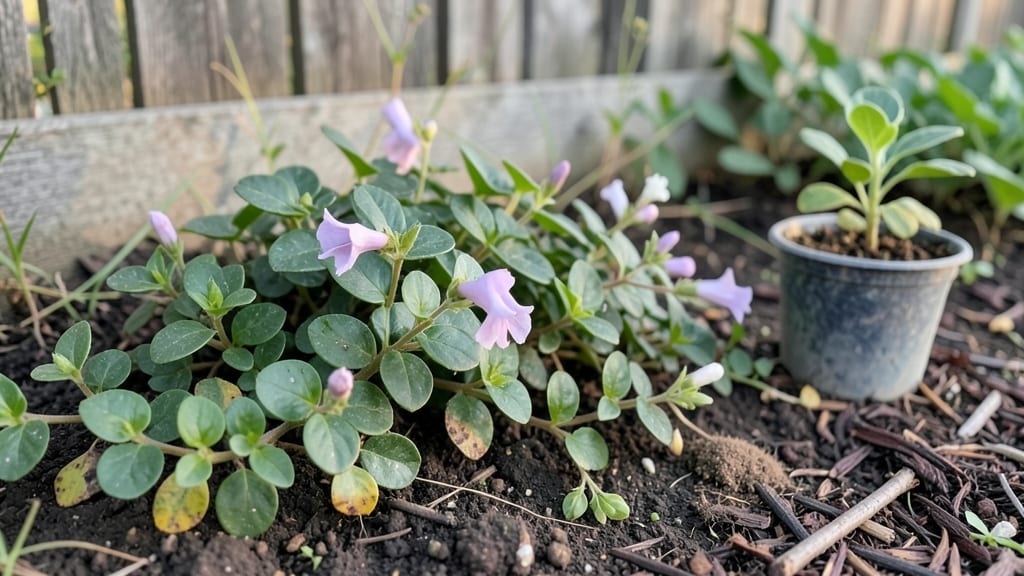
Determining vinca planting distance is key to achieving lush ground cover without overcrowding—space plants 12 to 18 inches apart for balanced growth, letting them spread naturally while avoiding competition for resources. Smaller varieties like Vinca minor thrive with tighter spacing (10-12 inches), while larger Vinca major benefit from slightly wider gaps (18-24 inches).
This spacing range isn't arbitrary—it accounts for how vinca spreads through underground runners and lateral growth patterns. 🌿 Too little room leads to stunted plants and disease risks, while overdoing it creates gaps where weeds take over.
I’ve found that Vinca minor, the creeping type, forms dense mats when planted closer, making it perfect for slopes or erosion control, whereas Vinca major’s bushier habit works better in formal beds with wider spacing.
Adjusting for your specific variety ensures a full, healthy carpet of color without the maintenance headaches of overcrowding.
💡 In This Article
- How Vinca Plant Spacing Affects Growth and Spread
- Best Vinca Planting Layouts for Different Landscapes
How Vinca plant spacing affects growth and spread
Vinca plants spread through a combination of shallow, fibrous root systems and underground runners called stolons. These stolons can extend 12-18 inches horizontally per season, allowing the plant to colonize space efficiently.
The key factor is root competition—when plants are too close, their roots tangle, creating a race for water and nutrients. This competition triggers stress responses, like reduced flowering or leaf yellowing, because each plant can't access enough resources to thrive.
The science behind this involves how vinca's root zone interacts with soil volume. A mature Vinca minor plant occupies about 1 square foot of soil space when spaced 12 inches apart, while Vinca major needs closer to 2-3 square feet due to its bushier habit.
Overcrowding forces roots to grow deeper in search of moisture, weakening the plant's ability to establish a dense ground cover. In extreme cases, this leads to fungal issues like root rot, where stagnant air between crowded foliage traps excess moisture.
Here's what happens when spacing is off: Too close (6-10 inches) results in stunted growth and increased disease susceptibility, while too far apart (24+ inches) creates weed-prone gaps and uneven coverage.
The 12-18 inch range balances these extremes by allowing each plant to spread naturally while maintaining a closed canopy. This spacing also maximizes photosynthesis efficiency—the outer leaves get full sun exposure while inner stems stay shaded but still photosynthetically active.
Variety-specific growth habits play a huge role. Vinca minor, with its low-growing, creeping nature, thrives in tighter configurations because its stolons spread aggressively horizontally. In contrast, Vinca major grows more upright with wider foliage, requiring more breathing room to prevent leaf rub and pathogen spread.
The difference in spread rates—Vinca minor can expand 18 inches per year while Vinca major grows 12-15 inches—explains why their spacing needs differ by 4-6 inches.
What most gardeners don't realize is how soil type affects optimal spacing. In sandy soils, where nutrients leach quickly, vinca needs slightly wider spacing (18-24 inches) to establish deeper roots. In clay soils, where water pools, closer spacing (10-12 inches) helps prevent root suffocation.
The plant's natural resilience makes it adaptable, but these soil-specific adjustments can mean the difference between a thriving ground cover and one that struggles to fill in.
For visual reference, imagine planting Vinca minor in a checkerboard pattern with 12-inch centers—this creates natural gaps that allow for easy maintenance while still achieving full coverage within 2-3 years.
The stolons will bridge these gaps over time, but the initial spacing prevents the competition that leads to weak, leggy growth. This method also works beautifully on slopes, where the staggered arrangement helps prevent erosion while maintaining the proper spread dynamics.