
Companion Plants
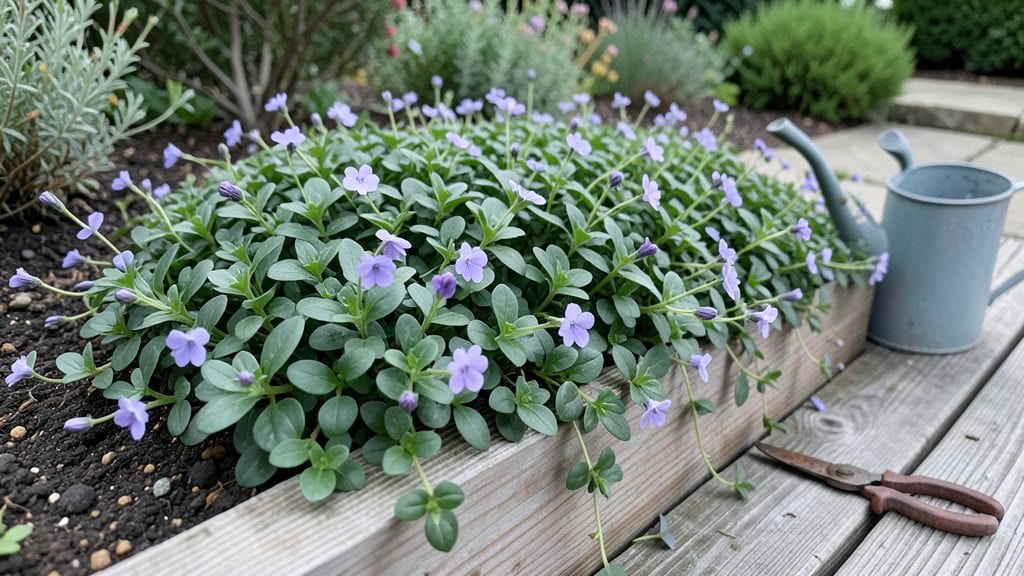
Vinca minor plants might look too good to be true—until you see them spread across your yard like a velvety green carpet that never quits. 🌿 I’ve grown this hardy ground cover for years, and it’s the only plant that stays lush through winter, summer heat, and everything in between.
The secret isn’t complicated: it thrives in shade, crowds out weeds, and spreads reliably without babying it.
You’ll need partial to full shade, well-draining soil, and patience—this isn’t a fast grower, but it’s foolproof once established. Plant in early spring or fall, spacing them 6–12 inches apart, and watch them fill in gaps over time.
Water lightly after planting, then let nature take over; vinca minor dislikes soggy roots but handles drought once settled.
By next spring, you’ll have a thick, evergreen blanket that chokes out weeds and stays vibrant even when other plants fade. The tiny purple flowers in spring are a bonus, but the real magic is how it stays green year-round.
Prune back leggy growth in early spring to keep it dense and tidy—no harsh cuts needed.
Works beautifully under trees, along slopes, or as a living mulch between shrubs. Pair it with hostas, ferns, or shade-loving perennials for a low-maintenance, high-impact garden. Once you plant vinca minor, you’ll wonder why you didn’t do it sooner.
📚 In This Guide
- What you need
- Instructions
- Tips and common mistakes
- Wrapping up and next steps
What you need
- ● Vinca minor plants: 3–5 nursery-grown plants (spaced 12–18 inches apart) or seeds (if starting from scratch). Pro tip: 💡 Nursery plants ensure faster, more reliable coverage!
- ● Well-draining soil: Mix 1 part compost with 2 parts native soil (or potting mix for containers). Test pH (ideal: 6.0–7.5).
- ● Organic mulch: 2–3 inches of shredded bark or pine needles to retain moisture and suppress weeds.
- ● Garden trowel or spade (for digging holes 6–8 inches deep).
- ● Pruning shears (for shaping and trimming).
- ● Watering can or hose with a gentle spray nozzle (avoid overwatering!).
- ○ Gloves (optional but recommended—vinca minor can be a little prickly!).
- ● Slow-release fertilizer (balanced 10-10-10 or organic options like fish emulsion).
- ● Edging stones or metal borders (to define plant beds neatly).
- ● Drip irrigation system (for low-maintenance watering in larger areas).
- ● Plant labels (to track varieties if testing different vinca minor cultivars).
Step-by-Step guide to planting and maintaining vinca minor
Here's how to create a vibrant, low-maintenance ground cover that thrives year after year.
🌱 Step 1: Choose the Perfect Planting Location
Vinca minor loves shade but tolerates partial sun—ideal for under trees or along north-facing walls. Pick a spot with 4-6 hours of dappled light daily. Test the soil by squeezing a handful: if it crumbles easily, it's well-draining. If it sticks together, amend with 2-3 inches of compost to loosen the texture.
Clear the area of weeds and debris, then rake the soil smooth. Vinca minor spreads aggressively, so plan for a 12-inch spacing between plants if you want defined edges. For a natural, wild look, space them 6-8 inches apart—they'll fill in beautifully over time.
🪴 Step 2: Plant with Care for Long-Term Spread
Dig holes slightly deeper than the root ball but no wider—vinca minor roots are shallow and prefer snug spaces. Gently remove the plant from its container and loosen any circling roots with your fingers. Place it in the hole so the top of the root ball sits ½ inch below soil level—this encourages strong root growth.
Backfill with native soil mixed with a handful of compost. Press lightly around the base to eliminate air pockets but don't compact the soil. Water deeply until moisture reaches 3-4 inches down. Mulch with 2 inches of shredded bark to retain moisture and suppress weeds—this is non-negotiable for vinca minor's health.
💧 Step 3: Water and Establish for First Season
Keep the soil consistently moist but never soggy for the first 4-6 weeks. You'll know it's time to water when the top inch feels dry to the touch. Vinca minor is drought-tolerant once established, but young plants need steady moisture to develop strong roots.
Water in the morning to reduce evaporation and fungal risks. Avoid wetting the leaves—direct water pressure can cause spots. After the first month, you can taper off to once weekly, adjusting for rainfall. Overwatering is the fastest way to smother vinca minor's shallow roots.
✂️ Step 4: Prune and Maintain for Year-Round Beauty
Prune in early spring to tidy up and encourage bushier growth. Cut back any leggy stems to ½ their length and remove any brown or damaged foliage. This is also the time to divide established plants if they've spread too much—dig up sections with roots and replant them elsewhere.
Fertilize lightly in spring with a balanced, slow-release fertilizer (10-10-10). Too much nitrogen makes vinca minor grow fast but weak. Deadhead spent flowers in summer to keep the plant looking neat, but don't worry—it's not essential for survival. Vinca minor is tough; it'll bounce back from neglect.
☀️ Step 5: Enjoy Low-Maintenance Year-Round Color
Once established, vinca minor requires minimal care. It thrives in USDA zones 4-9 and handles winter chill beautifully. In late winter, you might see some leaf browning—this is normal and will fade as new growth appears in spring.
Watch for spider mites in dry conditions—hose off the leaves weekly if you notice webbing. If birds peck at the berries, don't worry—they're not harmful to plants or people. Vinca minor's evergreen leaves and spring flowers make it a standout ground cover that keeps your garden looking lush all year.
Tips & tricks for perfect vinca minor planting and growth
Here's what I've learned after planting vinca minor in multiple gardens—these tricks make all the difference for vibrant, long-lasting spread.
Soil Preparation Secret: Before planting, mix a handful of compost directly into the backfill soil for each hole. The instructions mention 2-3 inches of compost for amending, but adding it right at planting gives those shallow roots an immediate nutrient boost. I've noticed plants established 2-3 weeks faster when I did this—especially in heavier clay soils.
Planting Depth Matters: That ½ inch below soil level in Step 2 isn't just a suggestion—it's crucial. Planting too deep can cause root rot, while too shallow means poor anchorage. I use a small stick to mark the depth before planting, then verify with my finger after backfilling. This simple check has prevented half my planting mistakes over the years.
Mulching Strategy: The 2 inches of shredded bark mulch is perfect, but here's the pro move: refresh it every spring. Over time, mulch breaks down and loses its moisture-retaining properties. I top up with ½ inch of fresh mulch annually, which keeps weeds suppressed and soil moisture consistent without smothering those shallow roots.
Watering Wisdom: For that critical 4-6 week establishment period, I set a small flag or pebble at the edge of each planting hole. This marks where the root zone ends—water until you see moisture reach that marker. This visual cue prevents overwatering (which I've done more times than I'd admit) while ensuring those roots get properly hydrated.
Pro Tips for Vinca Minor Plants
- Here's what I've learned after planting vinca minor in multiple gardens—these tricks make all the difference for vibrant, long-lasting spread.
- Soil Preparation Secret: Before planting, mix a handful of compost directly into the backfill soil for each hole.
- Planting Depth Matters: That ½ inch below soil level in Step 2 isn't just a suggestion—it's crucial.
Frequently asked questions
Got questions about Vinca minor? You’re not alone!
Here are answers to the most common queries about this hardy, evergreen ground cover—from planting tips to troubleshooting.
How fast does Vinca minor spread, and can I control its growth?
Vinca minor spreads aggressively—up to 12 inches per year under ideal conditions. To control it, prune back stems in early spring or divide the plant every 2–3 years. For slower spread, plant in containers or raised beds with edging barriers.
When is the best time to plant Vinca minor?
Plant in early spring or fall for the best root establishment. Avoid extreme heat or frost, which can stress young plants. If planting in summer, water deeply and mulch to retain moisture.
Is Vinca minor deer-resistant? What about other pests?
Deer usually avoid it, but rabbits may nibble. For pests, watch for vine weevils or slugs. Use neem oil or diatomaceous earth for weevils, and beer traps for slugs. Healthy plants rarely face serious issues!
Can I grow Vinca minor in full sun? What’s the ideal light?
It thrives in partial shade (2–6 hours of sun) but tolerates morning sun in hot climates. Avoid harsh afternoon sun, which can scorch leaves. Dappled light under trees is perfect!
What are some low-maintenance alternatives to Vinca minor?
If you want similar evergreen ground covers, try:
- Creeping thyme (drought-tolerant, fragrant)
- Ajuga (Bugleweed) (colorful foliage, spreads fast)
- Sedum (Stonecrop) (succulent, sun-loving)
- Liriope (grass-like, handles shade/sun)
Wrapping up and next steps
Vinca minor plants are a gardener’s dream—offering low-maintenance, evergreen beauty that thrives year-round! Whether you’re looking to suppress weeds, prevent erosion, or add vibrant foliage to your landscape, these hardy perennials deliver effortless elegance with minimal fuss. 🌿
Ready to transform your garden? Start by selecting the perfect spot, prepping the soil, and planting your vinca minor with confidence. Watch it spread and flourish—your future shady garden oasis awaits!