
Planting
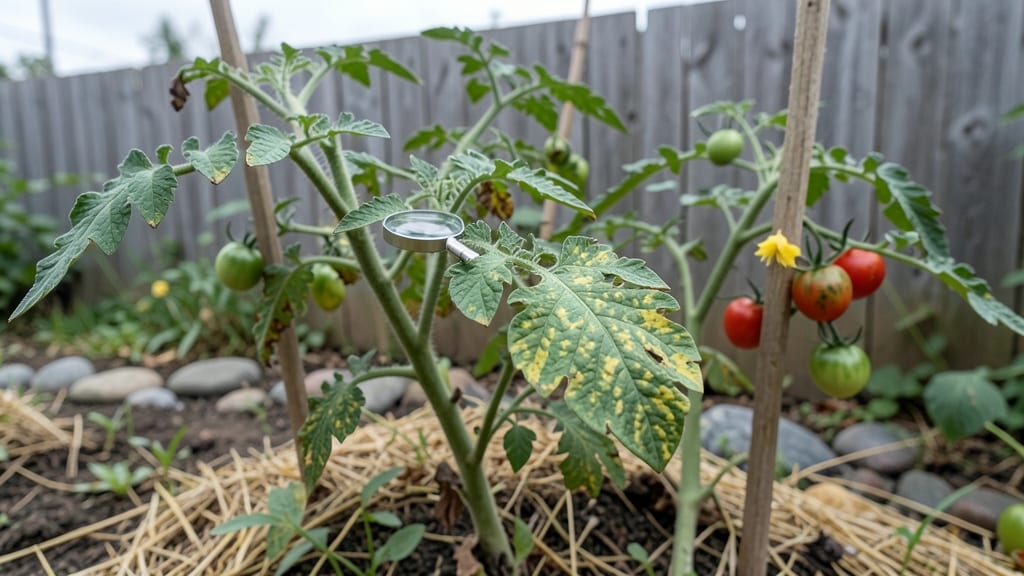
When your tomato plants show strange spots or stunted growth, you're likely dealing with a virus—and there's no cure, only containment. 🌱 I've lost entire crops to these silent invaders, but I've also learned how to spot them early and stop the spread before they ruin your season.
The first step is recognizing the symptoms: curled leaves, yellowing veins, or tiny black spots that look like freckles. Tomato Mosaic Virus and Yellow Leaf Curl are the most common culprits, and they spread faster than you think—through aphids, contaminated tools, or even your own hands.
Prevention starts with disease-resistant varieties like 'Defiant' or 'Mountain Merit,' but even those aren't foolproof.
If you find infected plants, remove them immediately—roots and all—and sterilize your tools with a bleach solution. Controlling aphids with neem oil or insecticidal soap can slow the spread, but the real key is vigilance.
Check your plants weekly during peak growing season, and don't let one sick plant become a garden-wide disaster.
This isn't about saving every plant—it's about protecting the healthy ones. With the right approach, you can keep your tomato harvest thriving even when viruses strike. The goal isn't perfection; it's resilience.
📚 In This Guide
- What you need
- Instructions
- Tips and common mistakes
- Wrapping up and next steps
What you need
- ● Tomato plants: Healthy and infected plants (for comparison)
- ● Pruning shears or sharp scissors: Sterilized with rubbing alcohol (70% or higher)
- ● Disposable gloves: Nitrile or latex (to avoid contamination)
- ● Plastic bags or containers: For safely disposing of infected plant parts (sealable)
- ● Magnifying glass or hand lens: 10x magnification (for inspecting symptoms)
- ● pH test kit: Soil pH strips or meter (to check plant health conditions)
- ● Systemic fungicide or insecticide: Copper-based or neem oil (for prevention)
- ● Labeling tags: Waterproof markers and labels (to track plant health)
- ● Spray bottle: For applying neem oil or other treatments
- ● Compost bin or trash bin: For disposing of severely infected plants
- ● Digital camera: To document symptoms for later reference
- ● Soil moisture meter: To monitor plant stress levels
- ● Plant virus test kit: DIY kits (e.g., ELISA or PCR test strips for common viruses)
- ● Beneficial nematodes: For soil health and pest control
- ● Reflective mulch: To deter pests and reduce virus spread
Step-by-Step guide to diagnosing and eradicating tomato plant viruses
Here’s how to spot, contain, and eliminate viral infections in your tomato plants before they devastate your crop.
🌿 Step 1: Identify Symptoms with Precision
Start by examining leaves, stems, and fruit for telltale signs of viral infection. Look for mosaic patterns—irregular yellow or green patches on leaves that resemble a stained-glass window. Other red flags include stunted growth, puckered or distorted leaves, and necrotic (dead) spots along veins. Check the undersides of leaves too—some viruses trigger yellowing or curling that’s only visible from below.
Compare affected plants to healthy ones side by side. Viral symptoms often appear asymmetrical, meaning one half of a leaf might look normal while the other is severely deformed. If you spot ring spots (circular patterns) or vein clearing (veins turning lighter than surrounding tissue), these are strong indicators of tomato mosaic virus or cucumber mosaic virus, both common in tomatoes.
🔍 Step 2: Confirm the Diagnosis with Test Kits or Lab Analysis
Visual inspection isn’t foolproof—some bacterial or fungal diseases mimic viral symptoms. Use a home virus test kit (available for common tomato viruses like tobacco mosaic virus or tomato yellow leaf curl virus) for a preliminary check. Follow the kit instructions precisely: swab leaf tissue, mix with the provided solution, and wait for color changes or strip reactions. If results are inconclusive, send samples to a local agricultural extension office for PCR testing—the gold standard for viral confirmation.
Don’t rely on guesswork. A misdiagnosis could lead to wasted time and money treating the wrong issue. For example, early blight causes dark spots with concentric rings, while tomato spotted wilt virus produces bronzing (a rusty-brown discoloration) on leaves. Lab tests distinguish these definitively.
✂️ Step 3: Remove Infected Plants Immediately
Once confirmed, excise the entire plant—roots and all—from your garden. Place it in a sealed plastic bag and dispose of it in the trash, not the compost. Viruses spread via sap, insects (like aphids), or contaminated tools, so even a single leaf left in the soil can reinfect your garden. If the plant is large, wear gloves to avoid transferring viral particles to your hands, then disinfect pruners with 70% isopropyl alcohol or a 10% bleach solution before reuse.
Check nearby plants for early symptoms. If you spot mild yellowing or stunted growth, isolate those plants for 7–10 days to monitor. Quarantine new plants for at least 2 weeks before introducing them to your main garden to prevent hidden infections from spreading.
💧 Step 4: Sterilize Tools, Soil, and Surroundings
Viruses persist in soil and on tools for months. Scrub garden beds with a 1% bleach solution (1 part bleach to 99 parts water) or hydrogen peroxide (3%) to kill residual viral particles. Focus on areas where infected plants grew, especially where sap may have dripped onto soil. For containers, wash them thoroughly with hot, soapy water followed by a bleach rinse. Let them dry completely in the sun—UV light further reduces viral load.
Disinfect pruners, trowels, and gloves between uses. Soak tools in bleach solution for 10 minutes, then rinse and dry. If you’re reusing pots, consider baking them at 200°F for 30 minutes to ensure sterilization. This step is critical—many gardeners unknowingly reintroduce viruses by using contaminated tools on healthy plants.
🛡️ Step 5: Implement Preventative Measures for Next Season
Break the viral lifecycle by removing all tomato debris from your garden at season’s end. Shred and discard leaves, stems, and fruit—do not compost them. Rotate crops annually: avoid planting tomatoes (or related plants like peppers and eggplants) in the same spot for at least 3 years. Viruses like tomato yellow leaf curl virus can persist in soil for years, waiting for a susceptible host.
Install fine mesh row covers (with 15–20 mesh size) to block aphids and whiteflies, the primary vectors for many tomato viruses. Inspect plants weekly for early signs of insect activity, and remove pests manually or with neem oil spray before they transmit viruses. Choose virus-resistant tomato varieties (like ‘Defiant PhR’ for tomato mosaic virus) to add an extra layer of protection.
Tips & tricks for diagnosing and eradicating tomato plant viruses
Real talk: catching a viral infection in your tomato plants early can save your entire harvest. Here are the insider tricks that'll help you spot, confirm, and eliminate viruses before they spread.
Symptom Spotlight: In Step 1, when you're checking for mosaic patterns, don't forget to examine the undersides of leaves—some viruses like tomato yellow leaf curl virus show up as subtle yellowing or curling that's only visible from below. I've seen gardeners miss infections because they only checked the tops. Use a bright light or magnifying glass to catch those early signs that might look like nothing to the naked eye.
Diagnostic Precision: If you're using home test kits in Step 2, follow the timing exactly—most kits require a 10-minute wait for color development. I once rushed a test and got a false negative because I checked too early. Also, when sending samples to extension offices, include photos of both infected and healthy plants for comparison—they can spot subtle differences we might miss.
Removal Strategy: During Step 3, when removing infected plants, don't just pull them—dig out the entire root system. I learned this the hard way when a small piece of root left behind led to a second infection. For large plants, cut them into sections and bag them separately to prevent sap from contaminating healthy plants during removal. The 10-minute bleach soak for tools is non-negotiable—viruses can survive on metal surfaces for weeks.
Sterilization Secret: In Step 4, when baking containers at 200°F for 30 minutes, place them on the middle rack of your oven for even heat distribution. I've found that top racks can create hot spots while bottom racks leave cooler areas. For extra peace of mind, run a food-safe thermometer to confirm the internal temperature reaches 200°F throughout the container.
Pro Tips for Tomato Plant Virus
- Real talk: catching a viral infection in your tomato plants early can save your entire harvest.
- I've seen gardeners miss infections because they only checked the tops.
- Diagnostic Precision: If you're using home test kits in Step 2, follow the timing exactly—most kits require a 10-minute wait for color development.
Frequently asked questions
Got questions about tomato plant viruses? You're not alone!
Here are some of the most common concerns gardeners have—and how to tackle them.
What are the most common signs of a tomato plant virus?
Look for stunted growth, yellowing leaves (mosaic patterns), distorted or curled foliage, and spotted or discolored fruit. Viruses like Tobacco Mosaic Virus (TMV) or Tomato Spotted Wilt Virus (TSWV) often cause these symptoms. Act fast—once infected, plants rarely recover!
How quickly can a tomato plant virus spread?
Viruses spread fast—sometimes within days! They hitchhike on insects (like aphids), contaminated tools, or even your hands. Wind, water, and physical contact between plants accelerate the process. Remove infected plants immediately and disinfect your tools with a 10% bleach solution to slow the spread.
Can I save a tomato plant already infected with a virus?
Unfortunately, no. Once a plant has a virus, it’s a lost cause—there’s no cure. Your best bet is to prune away infected leaves (and sterilize your shears!) to slow further damage, but the plant itself should be destroyed (don’t compost it!). Focus on healthy plants nearby to prevent contamination.
What’s the best way to prevent tomato plant viruses?
Prevention is key! Start with virus-free seeds or seedlings, rotate crops yearly, and control pests (especially aphids). Disinfect tools between plants, avoid overhead watering (splashing spreads viruses), and remove weeds that might harbor pests. Resistant varieties (like ‘Defiant PhR’ for TSWV) can also help!
If my tomatoes get a virus, should I replant in the same spot next year?
Absolutely not!
Viruses can linger in soil for years. Wait at least 3–4 years before replanting tomatoes, peppers, or related plants in the same spot. In the meantime, plant unrelated veggies (like beans or lettuce) to break the virus cycle. Crop rotation is your secret weapon!
Wrapping up and next steps
Protecting your tomato plants from viruses doesn’t have to be overwhelming! By staying vigilant—monitoring symptoms early, using clean tools and seeds, and practicing proper garden hygiene—you can keep your harvest thriving.
Remember, prevention is the best cure, and your efforts will pay off in delicious, disease-free tomatoes. 🌱
Ready to take action? Start by inspecting your plants weekly and removing any suspicious leaves or plants immediately. Share your progress with fellow gardeners—knowledge is power! 💪