
Pests and Diseases
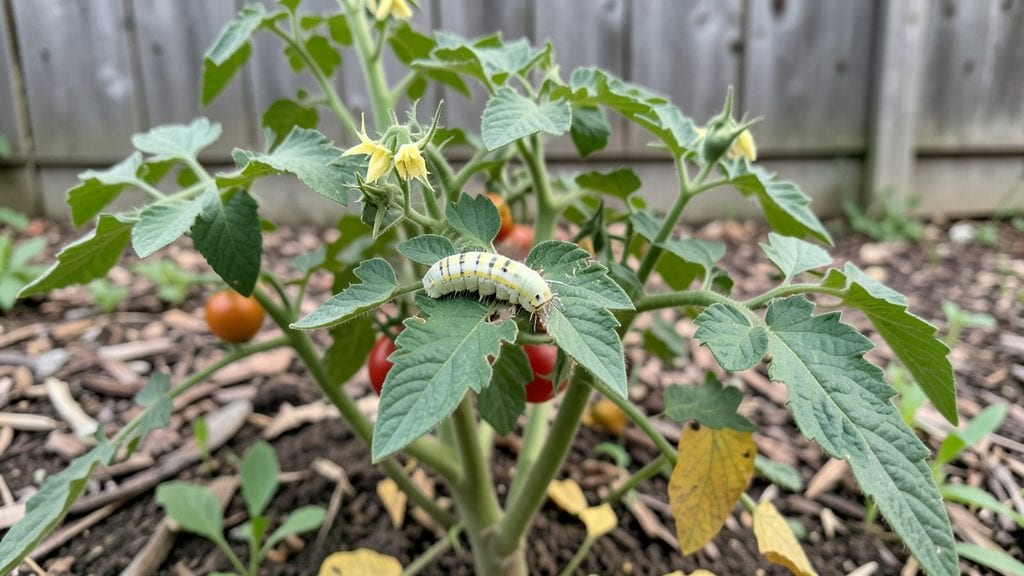
My tomato plant pest control secret? These organic barriers turned my once-devastated plants into an impenetrable fortress—no sprays, just smart defenses. 🌱 The key isn’t spraying everything in sight but creating a fortress your plants can’t be breached. while still letting them thrive.
Most gardeners reach for chemicals first, but the real game-changer is prevention: simple, low-tech solutions that keep pests at bay without harming your plants or the pollinators you actually want.
Think physical shields like row covers or collars around stems, plus the right companion plants that repel invaders naturally. I’ve tested everything from diatomaceous earth to homemade garlic spray, and the most effective methods don’t require fancy tools—just a little strategy.
The best part? These barriers work for hornworms, aphids, and even whiteflies, the three most common tomato troublemakers, without sacrificing your harvest.
By the time you’re done, your tomatoes will grow stronger, faster, and with fewer blemishes than ever before. The plants stay healthy, the fruit develops deep color, and you’ll spend less time battling pests and more time enjoying the rewards.
Plus, your garden becomes a safer ecosystem for bees and butterflies, which means better pollination and even bigger yields next season.
Works for backyard gardens, containers, or raised beds—no matter your setup, these methods adapt easily. The secret is combining the right barriers with smart timing, so let’s get your tomatoes protected the natural way.
Root Causes Of Tomato Plagues
Tomato plants attract pests like a buffet attracts hungry guests—because they’re delicious. But why do these invaders show up in the first place? The answer lies in a mix of environmental triggers, plant vulnerabilities, and even human habits.
Let’s break down the real reasons your tomatoes are under siege, so you can outsmart the pests before they strike.
Tomatoes are tough, but they’re not invincible. When their natural defenses drop, pests take notice. Here’s why plants become easy targets:
- Nutrient Deficiencies – A lack of nitrogen, phosphorus, or potassium weakens cell walls, making plants more susceptible to chewing insects (like hornworms) and sap-suckers (like aphids). Test your soil! A quick DIY test (or lab analysis) can reveal if your plants are starving for key nutrients. - Overwatering or Drought Stress – Too much water drowns roots, while too little causes wilting.
Both scenarios stress plants, releasing volatile organic compounds (VOCs) that signal pests: "Come and get it!" Solution: Aim for 1–1.5 inches of water per week and improve drainage with mulch. - Fungal or Bacterial Infections – Diseases like early blight or powdery mildew create open wounds, inviting pests like stink bugs and whiteflies.
These bugs don’t just eat—they spread more pathogens, turning your garden into a disease hotspot.
💡 Pro Tip: Healthy plants = fewer pests. Rotate crops yearly and interplant tomatoes with basil or marigolds to confuse pests naturally.
Pests don’t invade randomly—they’re lured by climate, timing, and habitat. Here’s what’s really inviting them to the party:
- Warm, Humid Conditions – Many tomato pests (like spider mites and fruitworms) thrive in 75–85°F temperatures with high humidity.
These conditions speed up their life cycles, leading to explosive infestations in weeks. Solution: Use shade cloth in peak heat and prune for airflow to reduce humidity around foliage. - Poor Garden Hygiene – Debris, fallen fruit, and weeds provide hiding spots and breeding grounds for pests.
For example, cutworms and slugs love moist, shaded areas under mulch or dead leaves. Fix it: Clean up regularly and avoid thick mulch layers near stems. - Monoculture Planting – Growing only tomatoes in a row sends a loud signal to pests: "All-you-can-eat buffet here!" Diversifying your garden disrupts their radar. Try: The "Three Sisters" method (tomatoes + basil + marigolds) to confuse pests and attract beneficial insects.
🌡️ Heat Hack: If your area gets consistently above 90°F, opt for heat-tolerant varieties like ‘Heatmaster’ or ‘Solar Fire’—they’re less stressed and thus less appealing to pests.
Yes, you might be unwittingly creating a pest paradise. Here’s how:
- Over-Fertilizing with Nitrogen – Too much nitrogen-rich fertilizer (like blood meal) makes leaves soft and sweet, a magnet for aphids, flea beetles, and whiteflies. Balance is key: Use a low-nitrogen, high-phosphorus fertilizer (like bone meal) to boost root and fruit health instead.
- Ignoring Companion Planting – Some "helpers" (like dill or fennel) attract tomato hornworm parasites, while others (like nasturtiums) lure aphids away. Skipping this step leaves your tomatoes defenseless.
- Bringing in Infested Plants or Soil – Even potting mix, transplants, or compost can hide egg-laying pests like thrips or root-knot nematodes. Quarantine new plants for 2 weeks and sterilize soil with solarization or baking soda (1 tbsp per gallon of water).
✨ Garden Detective Work: Before planting, inspect leaves, stems, and soil for tiny eggs, webbing, or chewed edges—early signs of trouble.
Why It Matters: Understanding these causes lets you prevent pests before they become a full-blown crisis. Next up? Smart, organic barriers to keep your tomatoes safe—without chemicals! 🍅🛡️
Practical fixes for common tomato threats
When pests and diseases attack your tomato plants, quick action can mean the difference between a thriving harvest and a lost crop. Below are targeted solutions for the most common tomato plant invaders, along with simple prevention strategies to keep your garden healthy.
These methods focus on organic, effective fixes that won’t harm your plants—or your conscience.
Cause: These green caterpillars devour leaves overnight, leaving behind skeletonized foliage and chewed fruit. How to Fix It:🔪 Handpick & Dispose
Hornworms are easy to spot—look for large, green caterpillars with white stripes and "horns." Pick them off early in the morning when they’re sluggish (or late evening when they’re less active). Drop them into a bucket of soapy water to kill them instantly. Pro tip: Check the undersides of leaves—they love to hide there! 🌿
🐛 Introduce Beneficial Predators
Ladybugs, parasitic wasps (like Cotesia congregata), and lacewings naturally prey on hornworms. Purchase these from garden centers or attract them with companion plants like dill, fennel, or marigolds.
🌱 Prevent Future Infestations
- Plant basil near tomatoes—its scent repels hornworms.
- Rotate crops annually to disrupt their life cycle.
- Use row covers early in the season to block egg-laying moths.
💧 Adjust Watering Habits
Blossom end rot thrives when soil moisture fluctuates. Water deeply 1–2 times per week (depending on climate) and keep the soil consistently moist. Pro tip: Use drip irrigation or soaker hoses to deliver water directly to the roots, avoiding leaf wetness. 🌧️
🌱 Boost Calcium Naturally
Amend soil with crushed eggshells (bake and grind them into a fine powder) or use a calcium-rich fertilizer like gypsum. Compost also helps by improving soil structure and nutrient availability.
🔄 Mulch to Retain Moisture
Apply a 2–3 inch layer of organic mulch (straw or grass clippings) to lock in moisture and prevent calcium leaching. Avoid synthetic mulches that can disrupt soil pH.
💦 Blast Them Off with Water
Spider mites hate water! Spray plants thoroughly with a strong stream from a hose every few days to knock them off. Early morning or late evening works best to avoid shocking the plants. 💦
🌿 Use Neem Oil or Insecticidal Soap
Mix 1 tbsp neem oil + 1 tsp mild dish soap per gallon of water and spray directly on affected areas (including undersides of leaves). Reapply every 5–7 days until mites disappear. Pro tip: Test a small leaf first to ensure no sensitivity!
🌱 Encourage Natural Predators
Ladybugs, lacewings, and predatory mites eat spider mites. Plant dill, yarrow, or cosmos to attract them to your garden.
🌡️ Prevent Outbreaks
- Keep humidity up with shade cloth or mulch in dry climates.
- Avoid over-fertilizing with nitrogen—it attracts mites.
- Prune heavily infested leaves and dispose of them in sealed bags.
👨🍳 DIY Soap Spray
Mix 1 tsp castile soap + 1 quart water in a spray bottle. Apply directly to aphids in the morning (they’re most active then). Reapply every 3–4 days. Pro tip: Add a few drops of garlic oil to repel them naturally! 🧄
🐝 Introduce Ladybugs
Release 10–20 ladybugs per plant—they’ll eat aphids within hours. For long-term control, plant alyssum or marigolds to attract them.
🔄 Prune & Remove Infested Growth
Snip off heavily infested stems and drop them into a bucket of soapy water. This stops the spread and gives beneficial insects more room to work.
🌱 Use Companion Planting
Interplant tomatoes with garlic, onions, or chives—their strong scent confuses aphids.
An ounce of prevention is worth a pound of cure! Here’s how to keep your tomato plants resilient:
- 🌱 Rotate crops annually to prevent soil-borne pests from building up.
- 🌿 Plant companion flowers like marigolds, nasturtiums, or basil to repel pests.
- 💧 Water at the base (not overhead) to reduce fungal diseases and deter soft-bodied insects.
- 🔍 Inspect plants weekly—catch problems early before they spiral.
- 🌡️ Maintain balanced soil with compost and organic matter for stronger, healthier plants.
With these targeted fixes, your tomato plants will bounce back stronger—and you’ll be well on your way to a bumper harvest! 🍅✨
Frequently asked questions
What's the most effective organic barrier against tomato hornworms?
For hornworms, row covers are the best organic barrier—lightweight fabric blocks moths from laying eggs while allowing sunlight and water through. Remove covers when flowers appear to allow pollination. Alternatively, wrap stems with cardboard collars (cut and secured with tape) to prevent caterpillars from climbing up.
Can I reuse last year's tomato plant debris in my compost?
Never compost tomato plant debris if pests like hornworms or aphids were present—eggs or larvae may survive and reinfest new plants. Instead, bag and discard infested material in sealed plastic. For healthy plants, compost only stems and leaves from pest-free tomatoes, or sterilize debris by baking at 200°F for 30 minutes first.
How often should I apply neem oil for spider mites?
Apply neem oil every 5-7 days until spider mites disappear, then switch to monthly preventative sprays during dry seasons. Always mix 1 tbsp neem oil + 1 tsp mild soap per gallon of water and spray undersides of leaves where mites hide. Early morning applications work best to avoid harming beneficial insects.
Will companion planting really keep pests away?
Basil repels hornworms, marigolds deter aphids, and nasturtiums lure away whiteflies. The key is strategic placement—interplant these flowers every 2-3 feet around tomato plants. For maximum effect, rotate companion plants yearly to prevent pest adaptation.
When should I stop using row covers on tomato plants?
Remove row covers when flowers first appear (typically 4-6 weeks after transplanting) to allow pollinators access. For self-pollinating varieties like 'Cherry Roma,' you can leave covers slightly open during peak flowering hours. Always secure edges tightly to prevent pests from sneaking in through gaps.