Plants
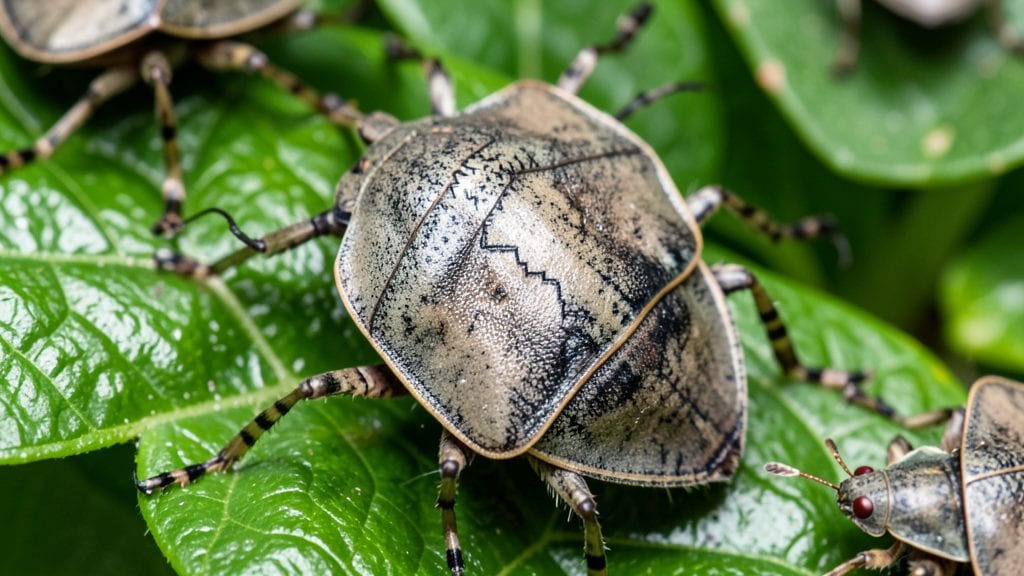
Stink bugs on plants can turn your garden into a smelly battleground, but I’ve learned how to handle them without resorting to harsh chemicals. These shield-backed invaders show up in late summer, sucking sap and leaving behind a stink you’ll never forget—literally.
The key is acting fast with methods that protect your plants and your pollinators.
First, identify the culprits: stink bugs hide under leaves or along stems, especially on tomatoes, peppers, and fruit trees. I’ve found that a simple daily check during their peak season (July–September) catches them before they multiply.
The good news? You don’t need expensive sprays—soapy water, DIY traps, or even a firm stream of water works wonders for removal.
For long-term protection, companion planting with herbs like basil or mint deters them naturally. I’ve also seen success with yellow sticky traps placed near affected plants—just check them often to avoid attracting more pests. The goal is to keep your garden thriving without turning it into a chemical warzone.
Even the most stubborn infestations can be managed with patience and the right techniques. Once you spot their damage (speckled leaves, stunted growth), you’ll know exactly what to do. Let’s get your garden back in balance—without the stink.
Root Causes of Plant Invaders
Stink bugs don’t just show up in your garden by accident—they’re drawn to your plants for specific reasons tied to biology, ecology, and even your gardening habits. Understanding why these shield-shaped pests target your greenery is the first step to outsmarting them.
Below, we break down the science behind their attraction to your plants, from chemical cues to seasonal triggers.
Stink bugs have an incredible sense of smell, and certain plants emit volatile organic compounds (VOCs) that act like dinner bells. These chemicals—often released when plants are stressed, flowering, or even just thriving—signal to stink bugs that a meal (or egg-laying site) is nearby.
- Stress scents: Damaged or wilted plants release compounds like jasmonates and salicylic acid, which stink bugs detect as a sign of weakened defenses. Think of it like a plant’s distress call—one that invites pests to swoop in.
- Flowering lures: Plants like tomatoes, soybeans, and fruit trees produce benzenoids and terpenoids during bloom, which stink bugs associate with high-energy food sources. This is why your prized roses or peppers might suddenly become a hotspot.
- Sap-rich favorites: Stink bugs adore plants with soft, juicy tissue (e.g., solanaceous plants like eggplants or peppers). Their piercing-sucking mouthparts are perfect for tapping into these nutrient-packed veins.
Actionable insight: If you notice stink bugs clustering on specific plants, check for subtle damage (e.g., yellowing leaves, stunted growth) or overripe fruit—these are red flags for chemical signals at work.
Stink bugs are opportunistic, and their life cycles sync with plant growth patterns. Here’s how timing plays a role:
| Season | Plant Stage | Why Stink Bugs Strike |
|---|---|---|
| Early Spring | New shoots & tender leaves | Emerging plants lack tough defenses, making them easy targets for overwintering adults seeking fresh food. |
| Summer Peak | Flowering & fruiting | High sugar content in blossoms and developing fruit attracts stink bugs for both feeding and egg-laying. |
| Late Summer/Fall | Ripening fruit & seed pods | Stink bugs prepare for winter by consuming high-energy foods, often damaging crops like apples or corn. |
Pro tip: 🌡️ Monitor your garden’s growth stages—stink bugs are most active when plants are in their fastest-growing phases (e.g., post-pruning or after heavy rain). This is your window to intervene before infestations spiral.
Sometimes, the problem isn’t the plants—it’s the environment you’ve created. Stink bugs thrive in gardens that offer shelter, moisture, and easy access. Common culprits include:
- Overwatering: Damp soil and foliage create ideal hiding spots for stink bugs, especially in dense mulch or leaf litter. They love to nestle into moist crevices during the day.
- Weedy borders: Plants like smartweed or purslane (native stink bug favorites) act as bridge species, drawing bugs closer to your prized crops.
- Poor air circulation: Tightly packed plants (e.g., greenhouses or overcrowded containers) trap heat and humidity—perfect conditions for stink bugs to multiply unchecked.
- Compost piles: Decaying organic matter releases ammonia and other compounds that stink bugs find irresistible. A compost bin near your garden? Congrats, you’ve built a bug buffet.
Quick fix: 💡 Audit your garden’s microclimate. Reduce standing water, thin out dense foliage, and relocate compost piles at least 10 feet away from edible plants.
Now that you know why stink bugs zero in on your plants, the next step is strategies to evict them without harm. Stay tuned!
Quick Fixes for Stink Bug Infestations
Stink bugs on your plants aren’t just an eyesore—they can damage foliage, fruits, and even spread bacteria. But you don’t need harsh chemicals to keep them in check!
Below are practical, humane solutions tailored to the root cause of your problem, from physical removal to long-term prevention. Let’s tackle this step by step.
If you’ve spotted stink bugs right now, act fast before they multiply. These methods are safe for plants and pets while effectively reducing their numbers.
🍳 DIY Stink Bug Traps (No Chemicals!)
Stink bugs are attracted to light, moisture, and sweet scents. Use these simple traps to catch them without harm: - Soapy Water Trap: Fill a bowl with soapy water (dish soap works) and place it near infested plants.
Stink bugs will fall in and drown—no stinky mess for you! - Pro Tip: 💡 Add a yellow sticky trap (available at garden stores) near the bowl to catch even more bugs.
- Duct Tape or Cardboard Box: Stink bugs are slow-moving when they land. Place duct tape sticky-side-up near plants or set out a box with soapy water—they’ll crawl in and get trapped.
- Bonus: Check traps daily and dispose of bugs in sealed bags outside.
- Vacuum Them Up: If bugs are clustered on leaves, use a handheld vacuum (with a fine mesh bag) to suck them up. Empty the vacuum far from your home to prevent re-entry.
Prevent stink bugs from returning by making your garden less inviting. These non-toxic repellents work by disrupting their scent trails or altering plant chemistry.
🥘 Plant-Based Deterrents
Stink bugs hate strong smells—use these plants as natural barriers or companions: - Marigolds, Basil, or Mint: Plant these near vulnerable crops (like tomatoes or peppers).
Their pungent aroma masks plant scents that attract stink bugs. - Garlic or Chili Spray: Blend garlic, chili peppers, and water, strain, and spray on leaves. The capsaicin and sulfur confuse their senses. - Caution: 🌡️ Test on a small leaf first—some plants may burn.
🔪 Physical Barriers for Young Plants
If stink bugs are targeting seedlings or tender shoots, protect them with:
- Floating Row Covers: Lightweight breathable fabric (like Agribon) blocks bugs while letting sunlight and water through.
- Copper Tape: Wrap copper mesh around stems—stink bugs dislike the electrical charge it creates.
Stop stink bugs before they become a yearly nuisance with these proactive strategies.
🌱 Garden Hygiene: Remove Hiding Spots Stink bugs love dense foliage and debris.
Keep your garden clean and airy: - Prune Overgrown Plants: Thin out thick branches so sunlight penetrates—stink bugs prefer shady, humid spots. - Clear Debris: Rake up fallen leaves, mulch, and weeds where bugs hide over winter. - Disrupt Egg-Laying Sites: Check undersides of leaves for tiny white eggs (like rice grains).
Scrape them off with a soft brush and drop them in soapy water.
🎯 Timing Is Everything: Act Before They Bite
- Early Spring: Apply neem oil (mixed with water) as a preventative spray—it disrupts their life cycle.
- Fall Cleanup: Before winter, remove all plant material from your yard.
Stink bugs overwinter in leaf litter and will return in force next year.
🐝 Encourage Natural Predators
Instead of fighting stink bugs alone, team up with their enemies:
- Birds: Install birdhouses—robins, chickadees, and wrens love eating stink bugs.
- Spiders and Lacewings: These beneficial insects prey on stink bug eggs. Avoid pesticides to keep populations healthy.
Final Reminder: 🌿 Patience is key—stink bugs are persistent, but consistency in removal and prevention will keep your garden thriving without chemicals. Try one method this week, then layer in others for maximum protection!
Frequently asked questions
Why do stink bugs target my plants more than others?
Stink bugs are drawn to plants emitting stress signals or high-sugar compounds, like flowering tomatoes or peppers. They also love tender, sap-rich foliage. Check for yellowing leaves or stunted growth—these are red flags they’ve already feasted!
Can I use neem oil to repel stink bugs?
Yes! Neem oil disrupts their feeding and egg-laying cycles. Mix 1 teaspoon with 1 quart of water and spray on leaves (especially undersides) during early spring or after heavy rain. Reapply every 7-10 days for best results.
What’s the fastest way to remove stink bugs from my garden?
For immediate results, use a handheld vacuum or soapy water trap. Place a bowl of soapy water near infested plants—they’ll fall in and drown. Check traps daily and dispose of bugs far from your home to prevent re-entry.
Will companion planting really deter stink bugs?
Plant marigolds, basil, or mint near vulnerable crops—their strong scents mask plant signals that attract stink bugs. These herbs also improve flavor and deter other pests like aphids.
Can stink bugs harm my fruit trees?
Yes, they pierce fruit skin (like apples or peaches) to feed, causing brown spots and potential bacterial infections. Monitor trees in late summer/fall when bugs prepare for winter. Use row covers or copper tape on young trees for protection.