Pests
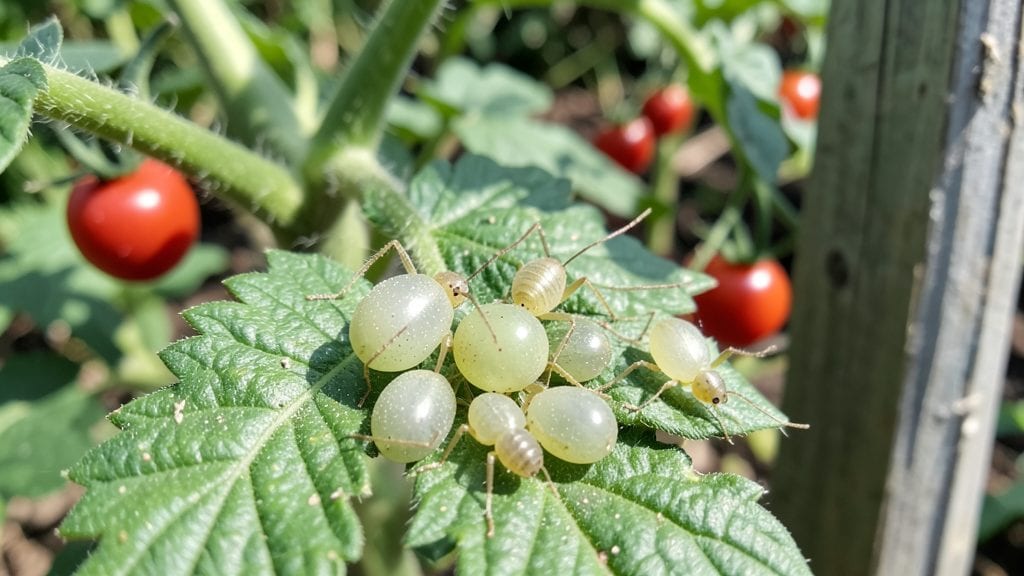
Check these aphids on tomato plants images to spot the pests before they devour your leaves. Those are aphids, and they multiply fast—if you don’t act now, your plants could get sticky, curled, and weak before harvest.
I’ve battled these pests for years, and I’ll show you exactly what to look for, from the first speck of honeydew to full-blown infestations that stunt growth.
The worst part? Aphids spread fast, but the good news is you can stop them before they wreck your crop. I’ll walk you through manual removal (yes, it works), organic sprays that don’t harm bees, and prevention tricks like companion planting that keep them away for good.
No harsh chemicals, just real solutions that actually work.
By the end, you’ll spot aphids before they become a problem and know how to eradicating them without losing your tomatoes. The key is acting early—once you recognize the signs, you’ll save your plants and your sanity. Let’s get those leaves clean and your tomatoes thriving again.
This works for greenhouse tomatoes, patio containers, or full-size gardens—no matter how bad it looks, there’s a fix. The sooner you act, the better your harvest will be. Here’s how to turn things around.
Root Causes Of Tomato Aphids
Aphids don’t just happen—they’re drawn to your tomato plants by a mix of environmental, biological, and even human factors. Understanding these triggers helps you disrupt their cycle before they take over. Here’s why these tiny sap-suckers invade your garden:
Tomato plants under stress are aphid magnets. When roots compete for nutrients, leaves become tender targets for pests. Here’s why:
- Poor Spacing: Crowded plants struggle to photosynthesize efficiently, weakening their defenses. Aphids thrive in shaded, humid microclimates created by dense foliage. - Nutrient Deficiencies: Plants low in nitrogen (N) or phosphorus (P) produce softer, more attractive leaves.
Aphids prefer young, succulent growth—common in nitrogen-starved plants. - Water Stress: Both overwatering (leading to root rot and fungal diseases) and drought (causing wilting) weaken plants. Aphids exploit stressed plants because their natural predators (like ladybugs) avoid sickly hosts.
Actionable Fix: Space tomato plants 18–24 inches apart and mulch with straw or grass clippings to retain moisture without suffocating roots. Test soil pH (ideal: 6.0–6.8) and amend with compost or a balanced 10-10-10 fertilizer if deficiencies are suspected.
Aphids aren’t picky—they’re drawn to sweet, tender, and easily accessible plant parts. Tomato plants offer a buffet:
- New Growth: Aphids favor terminal buds (the tips of stems) and young leaves because their high sugar content makes them irresistible. - Honeydew & Fungal Growth: As aphids feed, they excrete sticky honeydew, which attracts sooty mold (a black fungus).
This further stresses the plant, creating a vicious cycle. - Volatile Compounds: Some tomato varieties (especially cherry tomatoes) emit volatile organic compounds (VOCs) that aphids detect from up to 10 feet away. Green peach aphids (Myzus persicae) are particularly drawn to these signals.
Actionable Fix: Prune overly vigorous new growth to reduce aphid feeding sites. If honeydew is present, spray plants with a 1% soap solution (1 tbsp mild dish soap per gallon of water) to disrupt fungal growth.
Aphids multiply exponentially (a single female can produce 70 offspring in a week) because they have few natural enemies in unbalanced ecosystems. Here’s why predators stay away:
- Pesticide Overuse: Broad-spectrum chemicals (like neonicotinoids or pyrethroids) kill ladybugs, lacewings, and parasitic wasps—the aphids’ biggest threats. - Monoculture Gardening: Planting only tomatoes (or other susceptible crops like peppers and eggplants) starves predator populations.
A diverse garden attracts hoverflies, birds, and ground beetles, which hunt aphids. - Urban/Suburban Gardens: Fewer wild predators exist in landscaped areas compared to wild or organic farms.
Actionable Fix: Introduce aphid-eating allies like:
- Ladybugs (release 1,000–2,000 per acre)
- Lacewing larvae (voracious aphid hunters)
- Aphid midge larvae (tiny but deadly)
Plant companion flowers like dill, fennel, and marigolds to attract these predators.
Aphids thrive in specific conditions, and tomatoes are no exception:
| Factor | Why Aphids Flock | How to Counter |
|---|---|---|
| Warm Springs | Mild winters + early warmth = faster reproduction. | Monitor plants early in the season (March–May). |
| Dry, Windless Days | Still air = easier for aphids to spread via ant tendrils (some species farm aphids for honeydew). | Use row covers or fan leaves to create airflow. |
| High Humidity | Slows natural predators (like ladybugs) and encourages sooty mold. | Space plants for circulation and avoid overhead watering. |
Actionable Fix: Set up yellow sticky traps near plants to monitor aphid activity. If infestations peak in spring or fall, plan for preventative sprays (neem oil or insecticidal soap) during these windows.
Even well-meaning gardeners accidentally create aphid paradises. Common mistakes include:
- Bringing Infested Plants Home: New tomato starts, basil, or even weeds (like milkweed) can harbor aphids. Always quarantine new plants for 2 weeks. - Ignoring Weeds: Dandelions, clover, and plantain are aphid host plants.
They act as reservoirs, letting pests migrate to tomatoes. - Over-Fertilizing with Nitrogen: While nitrogen boosts growth, excessive use leads to soft, aphid-loved foliage. Use slow-release fertilizers (like compost) instead of quick-acting synthetics.
Actionable Fix: Pull weeds within 50 feet of tomato beds and inspect new plants under leaves before transplanting. Use balanced fertilizers (e.g., 5-5-5) to avoid nitrogen spikes.
Quick Fixes for Tomato Plant Aphids
Aphids may be tiny, but their damage adds up fast—sticky leaves, curled foliage, and stunted growth can turn your tomato harvest into a disappointment. The good news? You don’t need harsh chemicals to kick them out.
Below are practical, effective solutions tailored to the root causes of aphid infestations, from natural remedies to long-term prevention. Let’s get those pests off your plants for good!
Aphids love stressed plants—think crowded tomatoes with poor airflow or nutrient deficiencies. Fix it fast with these steps:
- 🔥 Prune for Airflow Trim dense foliage to improve circulation. Aphids thrive in shaded, humid spots, so let sunlight and breeze work their magic.
- Pro Tip: 💡 Snip off heavily infested leaves (especially the undersides where aphids hide) and drop them in soapy water to kill eggs.
- 👨🍳 Boost Plant Health Feed your tomatoes with balanced fertilizer (high in phosphorus and potassium) to build resilience. A weak plant is an aphid buffet!
- Try this: 🌡️ Mix 1 tbsp of fish emulsion or compost tea into water and spray on leaves weekly.
- ⏰ Rotate Plantings Avoid planting tomatoes in the same spot year after year. Aphids and their eggs linger in soil—crop rotation disrupts their lifecycle.
Skip the toxic chemicals! These homemade solutions smother aphids without harming your tomatoes (or you).
| Solution | How to Use | Frequency |
|---|---|---|
| Soapy Water | Mix 1 tbsp mild dish soap + 1 quart water. Spray directly on aphids (especially undersides). | Every 3–4 days until gone |
| Neem Oil Spray | Combine 1 tsp neem oil, 1 tsp horticultural oil, 1 tsp soap, and 1 quart water. Shake well and spray. | Weekly (preventative) |
| Garlic Pepper Spray | Blend 2 garlic cloves + 1 tsp cayenne pepper + 1 quart water. Strain and spray. | Every 5–7 days |
| Ladybugs or Lacewings | Release beneficial insects (buy online or from garden centers). They eat aphids! | Once (they’ll stick around) |
- Pro Tip: ✨ Spray in the early morning or evening to avoid burning leaves in direct sunlight.
For small infestations, manual removal is the fastest way to regain control.
- 👩🍳 Blast Them Off Use a strong stream of water from your hose to knock aphids off leaves. Repeat every few days until they’re gone.
- 🕷️ Sticky Traps Place yellow sticky cards near your tomato plants. Aphids are attracted to yellow and get trapped—check daily and replace as needed.
- 🍎 Companion Planting Interplant aphid-repelling herbs like basil, mint, or marigolds. Their strong scents confuse aphids and attract predators like parasitic wasps.
If aphids have taken over, act fast with these stronger (but still safe) tactics:
- 🧴 Insecticidal Soap (Store-Bought) Follow package instructions—reapply after rain. Avoid spraying in direct sun (can harm plants).
- 🌿 Diatomaceous Earth (DE) Sprinkle food-grade DE around the base of plants and on foliage. It’s a fine powder that dehydrates aphids (but stay away from windy days—it loses potency).
- 🐝 Horticultural Oil Works like neem oil but with a thicker consistency. Best for dormant aphids (eggs/winter stages).
An ounce of prevention beats a pound of cure! Follow these long-term strategies to keep your tomato plants aphid-free:
- 💡 Inspect New Plants Always quarantine new seedlings or transplants for 1–2 weeks before planting. Check undersides of leaves and stems for tiny green/black bugs.
- 🌡️ Maintain Soil Health Healthy soil = healthy plants. Add compost or worm castings to improve drainage and nutrient uptake.
- 🎯 Encourage Natural Predators
- Ladybugs, lacewings, and parasitic wasps are aphid’s worst nightmare. Plant dill, fennel, or alyssum to attract them.
- Avoid broad-spectrum pesticides—they kill beneficial bugs too!
- 🍅 Grow Resistant Varieties Some tomato types (like ‘Defiant PhR’ or ‘Mountain Merit’) are bred to resist pests. Check seed packets for aphid-resistant labels.
Final Thought: 🎯 Aphids may be persistent, but with consistent action, you’ll send them packing. Start with soapy water and pruning, then layer in prevention—soon, your tomato plants will be thriving, pest-free, and ready for a bountiful harvest!
Frequently asked questions
What do aphids on tomato plants look like?
Aphids are tiny, soft-bodied insects (about 1/16-inch long) that come in green, black, yellow, or pink. They cluster on the undersides of leaves, stems, and new growth. Look for curled leaves or sticky honeydew (their waste) on foliage. Use a magnifying glass if needed—they’re hard to spot with the naked eye!
Can aphids kill tomato plants?
While aphids rarely kill healthy tomato plants, severe infestations can stunt growth, weaken the plant, and spread diseases like sooty mold. Heavy feeding drains nutrients, leaving plants vulnerable to other pests. Act fast if you see curling leaves or black mold—these are warning signs!
How do I get rid of aphids on tomato plants naturally?
Try these organic methods: Spray with a soapy water mix (1 tbsp mild soap + 1 quart water), introduce ladybugs, or blast them off with water. For stubborn cases, use neem oil or insecticidal soap. Always spray undersides of leaves where aphids hide.
Will aphids go away on their own?
Not likely! Aphids reproduce rapidly (a single female can produce 70 offspring in a week). While natural predators like lacewings may eventually control them, they’ll keep spreading. Act within 3–5 days of noticing them to prevent an outbreak.
Can I still harvest tomatoes if aphids are present?
Yes, but focus on fully ripened tomatoes first. Aphids rarely infest fruit, but their honeydew can attract fruit flies. Remove heavily infested leaves and wash tomatoes before eating. For peace of mind, treat the plant first—aphids won’t harm mature fruit.