
Plants
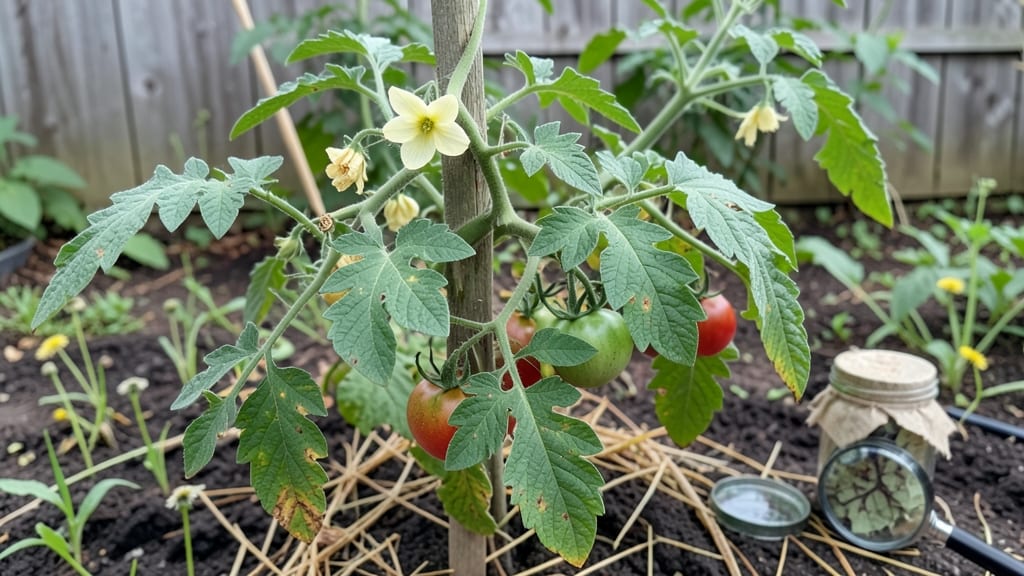
When your tomato plants start looking more like science experiments than dinner ingredients, you need a fast troubleshooting guide to get them back on track. 🌱 I’ve spent years watching plants spiral from healthy to hopeless—yellow leaves, wilted vines, mysterious spots—and I’ve learned the telltale signs of what’s really wrong.
The key isn’t guessing; it’s matching symptoms to solutions before the problem spreads.
Most issues boil down to three culprits: pests, diseases, or basic care mistakes. Aphids cluster on undersides of leaves, fungal blight leaves brown, crinkled patches, and overwatering drowns roots faster than you’d think.
The good news? Each problem has a specific fix—whether it’s a spray, a pruning cut, or adjusting your watering schedule. No more panic when you spot the first weird leaf.
You’ll diagnose problems in minutes by checking just a few key spots: the stems, the soil, and the undersides of leaves. Once you spot the issue—like powdery mildew or blight—you’ll know exactly what to do: trim infected parts, adjust sunlight, or add the right fertilizer.
The goal is to save your plants before they give up entirely.
This works for backyard gardens, containers, or even balcony pots—no matter your setup. The faster you act, the faster your tomatoes bounce back. Let’s turn those struggling plants into thriving vines before harvest season slips away.
Root Causes Behind Tomato Problems
Understanding why your tomato plants act up is half the battle—once you pinpoint the culprit, fixing it becomes straightforward. Below, we break down the most common biological, environmental, and human-error triggers behind tomato plant struggles, so you can tackle them with confidence.
Tomatoes thrive in a stable temperature range of 70–85°F (21–29°C) during the day and above 55°F (13°C) at night. When conditions stray too far from this ideal, plants react in predictable (but frustrating) ways:
- Heat Stress (Blossom Drop or Sun Scorch):
When daytime temps exceed 90°F (32°C), tomato flowers often abort before setting fruit—a process called blossom drop.
This happens because high heat disrupts the plant’s hormone balance, causing ethylene (a stress hormone) to spike and trigger premature flower death. Sun scorch (brown, crispy leaf edges) occurs when leaves absorb too much direct sunlight without adequate moisture, leading to cellular damage.
- Cold Shock (Stunted Growth or Blackened Leaves):
Tomatoes are tropical plants at heart and can’t tolerate frost (<32°F/0°C) or prolonged cold snaps. Below 50°F (10°C), growth slows dramatically, and leaves may turn yellow or black due to cold-induced cell rupture. Young plants are especially vulnerable, as their delicate tissues lack the protective wax coating of mature leaves.
- Frost Damage (Crispy, Brown Leaves):
Frost causes ice crystals to form in plant cells, rupturing membranes and killing tissue instantly. Even a light freeze can halt flowering and fruit development for weeks, as the plant diverts energy to repairing damage instead of producing tomatoes.
Pro Tip: 🌡️ Use row covers or shade cloth (30–50%) to protect plants during heatwaves, and mulch heavily to insulate roots from cold snaps. If nighttime temps dip below 55°F, consider a low-wattage heat lamp for young plants.
Tomatoes are thirsty but hate soggy feet, and watering mistakes are the #1 cause of preventable problems. Here’s how imbalances derail your plants:
- Underwatering (Wilting, Yellowing Leaves, Blossom End Rot):
When soil dries out, tomato roots struggle to absorb water, causing:
- Wilting: Leaves droop due to plasmolysis (when plant cells lose water and shrink away from their walls).
- Yellowing leaves (chlorosis): The plant prioritizes water to young leaves and fruit, leaving older leaves to sacrifice chlorophyll.
- Blossom end rot: Calcium uptake stops when roots can’t absorb water efficiently, leading to calcium deficiency in fruit (more on this below).
- Overwatering (Root Rot, Fungal Diseases):
Tomatoes need well-draining soil—waterlogged conditions create the perfect breeding ground for Phytophthora and Pythium fungi, which rot roots and stems. Overwatering also:
- Leaches nutrients from the soil, weakening the plant.
- Reduces oxygen in the root zone, suffocating roots and triggering anaerobic respiration (which produces toxic ethanol).
- Inconsistent Watering (Cracked Fruit, Split Tomatoes):
Fluctuating moisture levels cause fruit to expand and contract rapidly, leading to cracks. This happens when the plant absorbs water unevenly, and the fruit’s skin can’t keep up with the internal pressure changes.
Pro Tip: 💧 Water deeply 1–2 times per week (depending on climate) rather than daily shallow watering. Use a moisture meter or the "finger test"—stick your finger 2 inches into the soil; if it’s dry, it’s time to water. Drip irrigation is ideal to deliver water directly to roots without wetting foliage (which promotes disease).
Tomatoes are heavy feeders, and their leaves, stems, and fruit all compete for the same nutrients. When one element is missing or overabundant, the plant sends you clear visual distress signals:
| Symptom | Likely Cause | Why It Happens |
|---|---|---|
| Yellowing between leaf veins (chlorosis) | Nitrogen (N) or Iron (Fe) deficiency | Nitrogen is crucial for chlorophyll production. Iron helps transport nitrogen within the plant. Alkaline soil (pH >7.0) locks out iron, even if it’s present, because iron becomes insoluble and unavailable to roots. |
| Purple or red stems/leaves | Phosphorus (P) deficiency | Phosphorus is vital for energy transfer in cells. When lacking, the plant recycles phosphorus from leaves and redirects it to new growth, causing a purple anthocyanin pigment to appear as a stress signal. |
| Weak, spindly stems; small leaves | Potassium (K) or Magnesium (Mg) deficiency | Potassium regulates water balance and disease resistance. Magnesium is the center of the chlorophyll molecule—without it, leaves can’t produce energy efficiently. Over-fertilizing with nitrogen can also displace potassium in the soil. |
| Blossom end rot (dark, sunken spots on fruit) | Calcium (Ca) deficiency | Calcium is mobile in the plant, meaning it gets prioritized to new growth. When roots can’t absorb enough (due to dry soil, high pH, or root damage), the cell walls in fruit collapse, leading to rot. Even if soil has calcium, uneven watering prevents uptake! |
Pro Tip: 🧪 Test your soil’s pH and nutrient levels before planting (ideal pH: 6.0–6.8). If deficiencies persist, use chelated iron for chlorosis or calcium nitrate for blossom end rot. Epsom salt (magnesium sulfate) can help with purple stems, but apply it foliar-style (sprayed on leaves) for faster results.
Fixing Tomato Plant Problems Fast
Got a struggling tomato plant? Don’t panic—most issues have simple, effective fixes. Below, we’ll walk you through step-by-step solutions for common problems, including prevention tips to keep your plants thriving. Whether it’s pests, diseases, or environmental stress, we’ve got you covered with practical, no-fuss fixes that work.
Fix: Start by checking the soil—yellowing leaves often mean your plant isn’t getting enough nutrients or is drowning in water.
- 🔍 Diagnose First: - Lower leaves yellowing? Likely overwatering or root rot. Let the top 1–2 inches of soil dry out before watering again. - Upper leaves yellowing? Could be nitrogen deficiency.
Older leaves turn yellow first, then brown. - Yellow with brown edges? Possible magnesium (Epsom salt) or potassium deficiency.
- 💧 Adjust Watering:
- Water deeply once a week (or less in dry climates) and never let soil stay soggy. Use a moisture meter or stick your finger in—if it’s damp past 2 inches, hold off.
- 🌱 Feed the Plant: - For nitrogen: Use a balanced fertilizer (10-10-10) or compost tea.
Follow package instructions. - For magnesium: Mix 1 tablespoon of Epsom salt per gallon of water and spray on leaves weekly. - For potassium: Try a banana peel tea (soak peels in water for 24 hours, then use as fertilizer).
- 🌿 Prevention Tips:
- Mulch around plants to retain moisture and regulate soil temperature.
- Test soil pH (ideal: 6.0–6.8). Adjust with lime (to raise pH) or sulfur (to lower it).
- Rotate crops yearly to prevent nutrient depletion.
Fix: Pests can devour your tomatoes in days—but natural remedies work fast.
- 🐜 Identify the Pest:
- Aphids (tiny green/black bugs): Cluster on new growth.
- Hornworms (green caterpillars): Strip leaves overnight.
- Whiteflies (tiny white moths): Flit away when you disturb leaves.
- 🌿 Natural Remedies: - 🍋 Aphids & Whiteflies: - Spray with soapy water (1 tsp mild dish soap + 1 quart water).
Reapply every 3–4 days. - Introduce ladybugs (natural predators). - 🐛 Hornworms: - Handpick them (drop in soapy water). - Use BT (Bacillus thuringiensis)—a bacteria-based spray that kills caterpillars but is safe for humans.
- 🛡️ Prevention Tips:
- Neem oil spray (weekly) deters pests before they take hold.
- Row covers (fine netting) block pests while allowing sunlight.
- Interplant with basil or marigolds—they repel many tomato pests.
Fix: This calcium deficiency (or uneven watering) causes ugly, mushy bottoms on tomatoes. Here’s how to save your harvest:
- 💧 Fix Watering First:
- Water consistently—don’t let soil dry out, then flood it. Use drip irrigation for steady moisture.
- Mulch heavily to keep roots moist and cool.
- 🥛 Add Calcium:
- Crushed eggshells: Dry and grind them, then sprinkle around the base.
- Calcium supplement: Mix 1 tablespoon of calcium nitrate per gallon of water and water plants weekly.
- Epsom salt (for magnesium): Helps if calcium alone doesn’t work.
- 🌱 Prevention Tips:
- Test soil calcium levels before planting.
- Avoid over-fertilizing with nitrogen—it can worsen calcium uptake issues.
- Harvest early if rot starts—smaller tomatoes are still edible!
Fix: Wilting can mean underwatering, overheating, or disease—act fast to revive your plant.
- 💦 Check the Roots:
- Pull up a plant gently—if roots are dry and crumbly, it’s thirsty. If they’re mushy and brown, it’s root rot.
- Root rot? Trim affected roots, repot in fresh, dry soil, and reduce watering.
- 🌞 Adjust Care:
- Move to shade if leaves are crispy or scorched (too much sun).
- Water deeply if soil is bone-dry, then cut back to prevent overwatering.
- Prune damaged leaves to help the plant focus energy on recovery.
- 🌿 Prevention Tips:
- Water in the morning so leaves dry by night (reduces fungal risk).
- Use containers with drainage holes to prevent waterlogging.
- Avoid compacted soil—amend with compost for better root health.
- 💡 Trim back damaged foliage to redirect energy to new growth.
- 🌡️ Keep temps stable—tomatoes hate heatwaves or cold snaps (ideal: 70–85°F).
- 🍃 Boost with compost tea for a quick nutrient boost.
Remember: Most tomato problems are fixable with quick adjustments—don’t wait until it’s too late! Act now, and you’ll be back to juicy, vine-ripened tomatoes in no time. 🍅🔥
Frequently asked questions about tomato plant troubleshooting
Why are my tomato leaves turning yellow?
Yellowing leaves usually signal overwatering or nutrient deficiencies. Check the soil—if it's soggy, reduce watering. If lower leaves yellow first, it's often root stress. Upper leaves turning yellow may indicate nitrogen deficiency. Test your soil pH (ideal: 6.0–6.8) and amend with compost or a balanced fertilizer.
How do I prevent blossom end rot on my tomatoes?
Blossom end rot occurs from calcium deficiency, often caused by inconsistent watering. Water deeply 1–2 times per week and mulch to keep soil moisture stable. Add crushed eggshells or use calcium nitrate (1 tbsp per gallon of water) weekly. Avoid over-fertilizing with nitrogen, which can worsen the issue.
What’s the best way to deal with tomato pests like aphids or hornworms?
For aphids, spray with soapy water (1 tsp dish soap + 1 quart water) or introduce ladybugs as natural predators. Hornworms can be handpicked (drop in soapy water) or treated with BT (Bacillus thuringiensis), a bacteria-based spray. Prevent pests with neem oil (weekly spray) or companion plants like basil or marigolds.
Can I save a tomato plant with root rot?
Yes, but act fast! Gently remove the plant, trim away mushy, brown roots, and repot in fresh, well-draining soil. Reduce watering immediately and avoid compacted soil. Add compost to improve drainage and use containers with drainage holes. Keep the plant in partial shade while it recovers.
Why are my tomato flowers dropping off before fruiting?
This blossom drop happens due to heat stress (above 90°F), inconsistent watering, or nutrient imbalances. Use shade cloth (30–50%) during heatwaves and water deeply but consistently. Add phosphorus-rich fertilizer (like bone meal) to support flowering. Avoid over-fertilizing with nitrogen, which can disrupt flowering.