
Planting
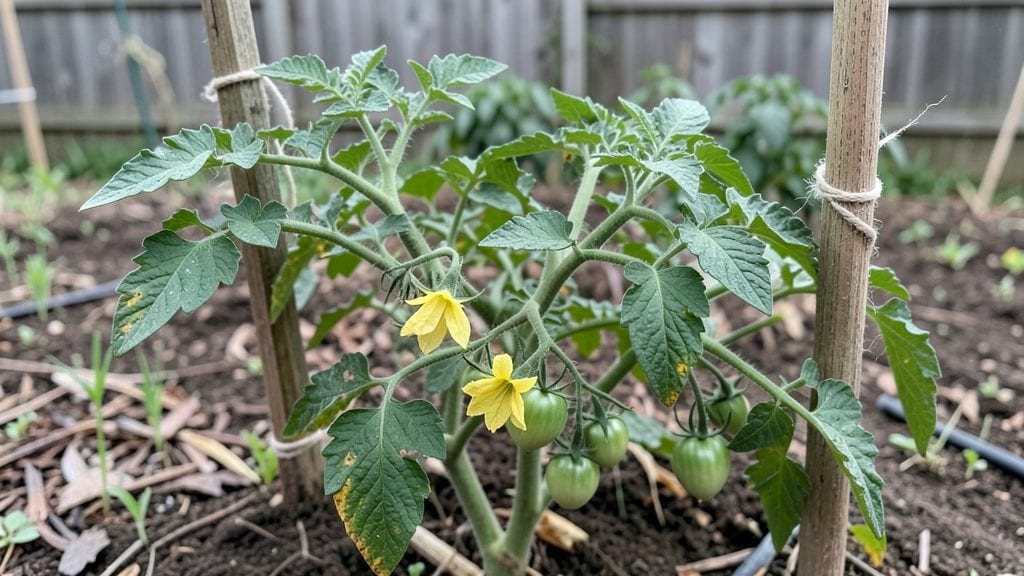
Those mysterious tomato plant spikes aren’t just random growth—they’re either your plant’s way of directing energy or a sign it’s under attack. 🌱 I’ve spent three summers wrestling with these weird little shoots, and now I know exactly how to tell the difference between normal suckers and something more serious like powdery mildew or pest damage.
The key is timing and technique, and once you master it, your tomato plants will focus all their energy on producing fruit instead of confusing side growth.
The first step is understanding what you’re actually looking at. Healthy tomato plants grow suckers—those little shoots between the main stem and branches—that need pruning to keep energy flowing upward. But if you see fuzzy white spots or chewed leaves, that’s a whole different problem.
I learned the hard way when I ignored early signs of tomato hornworms and ended up with a plant that looked like it had been stabbed with tiny spikes. Proper pruning and monitoring can save your harvest before it even starts.
With just three simple steps—identifying, cutting, and supporting—you’ll transform those confusing spikes into a more productive plant. Your tomatoes will grow straighter, fruit heavier, and stay healthier all season.
The best part? You’ll spot problems early enough to fix them before they turn into a full-blown crisis. Let’s get those plants growing the way they’re meant to.
This method works for both determinate (bush) and indeterminate (vining) tomatoes, whether you’re growing in the ground or containers. The only tools you need are sharp pruners and a little patience. Once you see the difference in your harvest, you’ll wonder why you didn’t start sooner.
Root Causes of Tomato Plant Spikes
Understanding why your tomato plants develop unwanted spikes—those sharp, thorny growths along the stems—is the first step to managing them effectively. These spikes aren’t just a nuisance; they’re a plant’s natural response to stress, environmental cues, or genetic triggers.
Below, we break down the three primary reasons your tomato plants might be spiking out of control, along with the science behind each cause.
Tomato plants thrive when they have space to breathe, both literally and figuratively. When stems are too close together—whether due to dense planting, overcrowded containers, or poor garden layout—your plants compete for sunlight, nutrients, and airflow.
This stress triggers the production of prickly spikes as a defensive mechanism, similar to how some plants grow thorns to deter herbivores.
Why it happens:
- Limited sunlight: Shaded stems (especially in the lower canopy) produce more spikes because they’re not photosynthesizing efficiently.
- Humidity buildup: Poor airflow traps moisture, creating the perfect conditions for fungal diseases (like early blight). The plant’s immune response includes increased spike production to "ward off" potential threats.
- Root competition: Overcrowded roots struggle to absorb water and nutrients, forcing the plant to allocate energy to defensive growth instead of fruit production.
Actionable fix:
- Space plants 18–24 inches apart (or 12–18 inches for dwarf varieties).
- Prune lower leaves to improve airflow and reduce humidity near the soil.
- Use trellises or cages to elevate plants and prevent stems from touching each other.
Tomatoes are warm-weather lovers, and sudden swings in temperature—whether too hot, too cold, or rapid shifts—can send your plant into survival mode. Spikes often appear as a response to heat stress or chilling damage, especially in young plants or during flowering.
Why it happens:
- Heat stress (above 90°F): High temperatures disrupt pollen formation and fruit set, causing the plant to redirect energy to defensive structures like spikes.
- Cold snaps (below 50°F): Tomatoes are sensitive to frost and chilly nights. When roots or stems are shocked, the plant prioritizes protective growth over fruit production.
- Day-night temperature swings: Large differences (e.g., 85°F days and 60°F nights) can confuse the plant’s hormonal balance, leading to aberrant growth patterns, including spikes.
Actionable fix:
- Mulch heavily to regulate soil temperature and reduce root stress.
- Use shade cloth during extreme heat waves (especially for greenhouse or container-grown tomatoes).
- Choose heat-tolerant varieties (like ‘Solar Fire’ or ‘Heatmaster’) if you live in a hot climate.
- Avoid planting too early—wait until soil temperatures are consistently above 60°F.
Not all tomato varieties are spike-prone, but some genetically tend to produce more thorns, especially in certain conditions. Hybrid and heirloom tomatoes can vary wildly in their defensive growth habits, and even within a variety, spikes may become more pronounced as the plant matures.
Why it happens:
- Wild tomato ancestry: Many modern tomatoes descend from spiky wild relatives (like Solanum pennellii), which retained some thorny traits for survival.
- Indeterminate vs. determinate growth: Indeterminate tomatoes (which grow continuously) often develop more spikes as they age, especially if they’re not pruned regularly.
- Hormonal imbalances: Some varieties have higher levels of jasmonic acid, a plant hormone that triggers thorn production in response to stress or damage.
Actionable fix:
- Select low-spike varieties if thorns are a recurring issue (e.g., ‘Sweet Million’ or ‘Better Boy’ tend to be less spiky).
- Prune aggressively to redirect energy toward fruit and away from defensive growth.
- Fertilize with nitrogen-rich amendments (like compost or fish emulsion) to encourage leafy, less thorny growth—but avoid overdoing it, as excess nitrogen can reduce fruit production.
Pro Tip: 💡 If your tomatoes are spiking excessively, check for hidden pests (like aphids or spider mites). Physical damage from insects can trigger a spike surge as the plant’s immune response!
Fixing Tomato Plant Spikes Fast
Now that you know what causes those pesky tomato plant spikes—and why they’re stealing energy from your future harvest—it’s time to take action! The good news? Most fixes are simple, quick, and can be done with just a pair of pruners and a few minutes of your time.
Below, we’ll break down practical solutions for each common cause, plus prevention tips to keep your plants thriving all season.
Problem: Too many suckers or dense foliage blocks sunlight and air, inviting disease and stressing the plant.
Fix It:
- 🔪 Snip the suckers early. Use clean, sharp pruners to remove suckers (the small shoots growing between the main stem and branches) when they’re no bigger than a pencil. Cut them off at the base—don’t leave stubs, as they can rot.
- 🌿 Thin the foliage. If leaves are too thick, gently pluck or prune the lowest 6–12 inches of leaves (especially on determinate tomatoes) to improve airflow. For indeterminate varieties, remove leaves below the first flower cluster to direct energy upward.
- 🌞 Open the canopy. Space plants 18–24 inches apart (or 36 inches for large varieties) to prevent future overcrowding.
💡 Pro Tip: Prune on a dry, sunny morning—this helps wounds dry faster and reduces disease risk.
Problem: A sudden spike in blossoms (often from heat or fertilizer shifts) can overwhelm the plant, leading to small, misshapen tomatoes.
Fix It:
- 🌸 Thin the flowers. If your plant is bursting with blooms, remove half of the smallest flowers to let the remaining ones develop into larger fruit. Focus on keeping 3–5 flowers per cluster (depending on variety).
- 🍽️ Pause the fertilizer. Too much nitrogen (especially from fresh manure or high-N fertilizers) triggers leafy growth over fruit. Switch to a balanced 5-10-10 or phosphorus-heavy (10-20-10) fertilizer to encourage flowering.
- 💧 Adjust watering. Underwatering can cause blossom-end rot, while overwatering leads to weak stems. Aim for 1–1.5 inches of water per week, and water deeply at the base (not the leaves) to avoid fungal issues.
✨ Bonus Hack: A light shake of the plant (or even a gentle tap) can help pollination if your garden lacks bees—this is especially useful in greenhouses or urban areas.
Problem: Spikes in growth (or sudden wilting) can signal hidden pests (like aphids, spider mites, or whiteflies) or diseases (early blight, fusarium wilt).
Fix It:
- 🔍 Inspect leaves & stems. Flip leaves over and check for sticky residue (aphids), webbing (spider mites), or dark spots (fungus). Early detection is key!
- 🚿 Blast pests off. Spray plants with a strong stream of water to dislodge soft-bodied pests. For stubborn infestations, use neem oil (mix 1 tbsp per quart of water + a drop of dish soap) or insecticidal soap.
- 🌡️ Boost plant immunity. Strengthen your tomatoes with:
- Compost tea (brew 1 cup compost in 5 gallons water for 24 hours, strain, and spray).
- Baking soda spray (1 tsp baking soda + 1 quart water + a drop of soap) for fungal prevention.
- Reflective mulch (aluminum foil or white plastic) to deter pests like flea beetles.
🎯 Prevention Checklist:
- Rotate crops yearly (don’t plant tomatoes in the same spot).
- Remove diseased leaves immediately (don’t compost them—toss in the trash).
- Interplant with basil or marigolds to repel pests naturally.
Problem: Sudden spikes in heat or cold can shock the plant, causing stunted growth or flower drop.
Fix It:
- 🏖️ Shield from heat stress. If temps hit above 90°F (32°C), provide shade cloth (30–50% coverage) or a lightweight row cover during peak afternoon sun.
- 🌬️ Protect from wind. Use stakes, cages, or trellises to support heavy fruit loads. Wind can snap stems and cause sunscald (white patches on tomatoes).
- 💧 Mulch heavily. Apply 3–4 inches of straw or wood chips to retain moisture and keep roots cool. Avoid plastic mulch—it traps heat.
💡 Quick Fix for Cold Snaps: Cover plants with a frost blanket or old bedsheets if night temps dip below 50°F (10°C).
No matter the cause, follow these golden rules for pruning tomato spikes:
- ⏰ Time it right: Prune early in the morning when plants are hydrated and wounds heal fastest.
- 🔪 Use the right tools: Bypass pruners (not dull scissors) make clean cuts that don’t tear tissue.
- 🌿 Prune strategically:
- Indeterminate tomatoes (like ‘Sungold’ or ‘Brandywine’): Keep pruning suckers to encourage vertical growth.
- Determinate tomatoes (like ‘Roma’ or ‘Celebrity’): Minimal pruning—just remove diseased leaves and a few suckers to improve airflow.
- 🚫 Avoid over-pruning: Never remove more than 1/3 of the foliage at once—this stresses the plant.
Final Thought: A little pruning now saves big headaches later—and bigger, juicier tomatoes! Start with the fixes that match your plant’s symptoms, then stay consistent with prevention. Your future salads (and salsa) will thank you. 🍅✨
Frequently asked questions about tomato plant growth
Are those thorny spikes on my tomato plant normal?
Most tomato plants develop small thorns or spikes naturally, especially as they mature. These are usually harmless defensive growths, but excessive spikes may indicate stress from overcrowding, poor airflow, or pest damage. Indeterminate varieties (like cherry tomatoes) often have more pronounced spikes than bush types.
How do I tell if my tomato spikes are from pests or disease?
Check for accompanying symptoms: Pests (like tomato hornworms) leave chewed leaves or frass (black droppings), while diseases (such as powdery mildew) cause fuzzy white patches or dark spots. If the spikes appear suddenly with wilting or discoloration, it’s likely a disease or severe infestation needing immediate treatment.
Can I prune tomato spikes without hurting the plant?
Yes! Use clean, sharp pruners to snip spikes at their base—never tear them. Focus on removing suckers (side shoots) and diseased leaves first. For indeterminate varieties, prune aggressively to encourage upward growth, while determinate tomatoes need minimal pruning to avoid stress.
Will removing spikes actually increase my tomato yield?
Pruning spikes (especially suckers) redirects the plant’s energy toward fruit production instead of defensive growth. Studies show properly pruned indeterminate tomatoes can yield 20–30% more fruit. Just avoid over-pruning—never remove more than 1/3 of the foliage at once.
What’s the best time of day to prune tomato spikes?
Always prune in the early morning when plants are hydrated. This helps wounds dry faster and reduces disease risk. Avoid pruning in hot afternoon sun or after rain, as wet conditions can introduce fungal infections to fresh cuts.