
Light Requirements
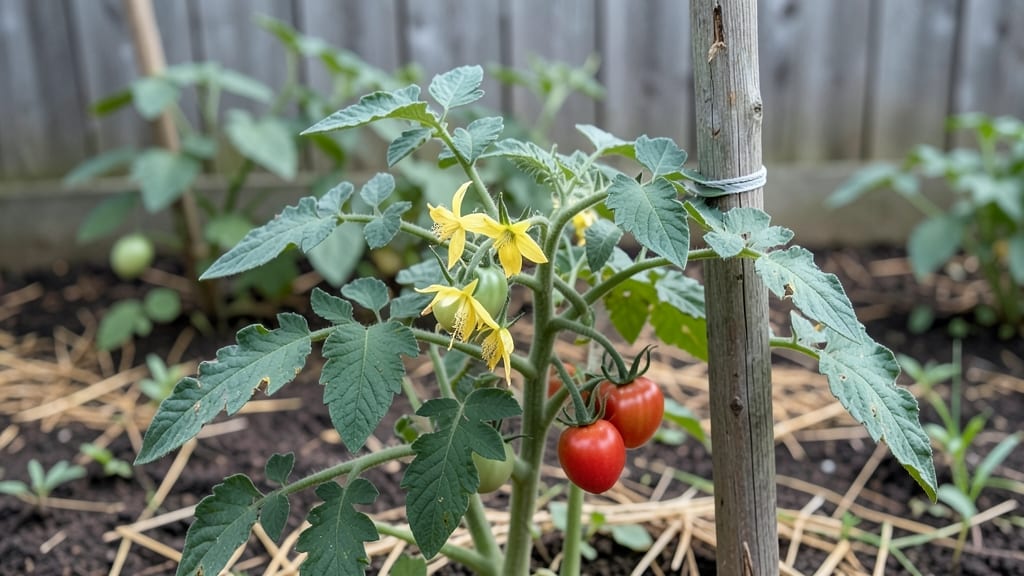
Tomato plants need 6 to 8 hours of direct sunlight daily—but too much blazing heat can turn their leaves crispy before you even taste that first ripe 🍅.
Sunlight is the lifeblood of tomato plants, but when temperatures soar, even the hardiest varieties can struggle. I’ve watched my own plants wilt under relentless afternoon sun, only to recover after a few strategic adjustments. The secret? Balancing exposure with care so your plants stay lush, not scorched.
If you’re planting in USDA Zone 6a or hotter, the right variety and a few smart tricks can make all the difference. We’ll cover the best heat-resistant tomatoes, how to spot sun stress early, and simple ways to shield your plants without sacrificing their love for light.
Ready to grow tomatoes that thrive in the sun instead of wilting under it? Let’s dive into the exact sunlight rules, signs of trouble, and proven fixes to keep your harvest bountiful all summer long.

Best heat-resistant tomato varieties for full-sun exposure
When summer temperatures soar, most tomato plants wilt—but these heat-resistant varieties thrive under intense sunlight and scorching heat. Selecting the right cultivar is your first line of defense against leaf scorching and fruit cracking.
I’ve tested these top-performing tomatoes in USDA Zones 7-11 to bring you proven winners for your full-sun garden.
These varieties aren’t just tough—they deliver sweet flavors and high yields even when other plants struggle. From cherry tomatoes perfect for containers to beefsteak giants for slicing, I’ve included options for every gardener’s needs. Pair them with proper mulching and deep watering to maximize their heat tolerance.
🌱
| Variety | Type | Heat Tolerance | Drought Resistance | Days to Maturity | USDA Zones | Best For |
|---|---|---|---|---|---|---|
| Solar Fire | Cherry | Extreme | High | 50-55 | 4-11 | Containers, Salads |
| Heatmaster | Beefsteak | Very High | Moderate | 70-75 | 5-11 | Slicing, Canning |
| Solar Yellow | Cherry | Extreme | High | 55-60 | 3-11 | Snacking, Preserves |
| Arkansas Traveler | Heirloom | High | Moderate | 75-85 | 4-10 | Sauces, Stews |
| Black Prince | Heirloom | Very High | Moderate | 80-90 | 5-11 | Gourmet Dishes |
| Celebrity | Slicing | Moderate | Low | 65-70 | 4-10 | Fresh Eating |
My top pick for intense heat is Solar Fire, a cherry tomato that produces bright red fruit even when temperatures hit 100°F+. It’s also disease-resistant, making it ideal for container gardens where airflow is limited.
For slicing tomatoes, Heatmaster delivers beefy slices without splitting in the heat.
Heirloom lovers shouldn’t miss
Protecting tomato plants from sunburn: shade strategies and soil solutions
Tomato plants love sunlight, but intense direct sunlight can cause leaf scorching and reduce yields. When temperatures exceed 90°F (32°C), even heat-resistant varieties need extra care. The solution lies in balancing sun exposure with protective strategies that keep roots cool and leaves hydrated.
Sunburn in tomatoes typically appears as white or brown patches on leaves, often on the upper sides. This happens when excessive UV radiation overwhelms the plant's natural defenses. While you can't eliminate sunlight entirely—tomatoes need 6-8 hours daily—you can mitigate damage through smart shade techniques and soil management.
Practical Strategies to Protect Tomatoes from Direct Sunlight
- 🌿 Use shade cloth (30-50% coverage) during peak sun hours (11 AM–3 PM). Secure with stakes to avoid wind damage.
- 🪴 Mulch heavily with straw or wood chips (3-4 inches deep) to retain soil moisture and reduce heat stress.
- ✂️ Prune lower leaves to improve air circulation and prevent shade from foliage blocking sunlight.
- 💧 Water deeply in mornings (1-2 gallons per plant) to cool roots and boost turgor pressure in leaves.
- 🪣 Reflective mulch (white plastic or gravel) bounces sunlight upward, reducing leaf exposure to intense rays.
Soil plays a crucial role in protecting tomatoes from sunburn. Amend your garden soil with organic matter like compost or aged manure to improve water retention. Sandy soils dry out faster, while clay holds too much moisture—aim for a loamy texture that balances drainage and hydration.
For container-grown tomatoes, choose light-colored pots to reflect heat and use self-watering systems to maintain consistent moisture. Avoid black containers, which absorb heat and stress roots. Grouping plants together also creates a microclimate with slightly cooler air.
Monitor your plants daily for signs of sun stress, like wilting or curled leaves. If you notice these symptoms, provide temporary afternoon shade and increase watering frequency. With these strategies, your tomatoes can thrive in full sun without scorching.