
Companion Plants
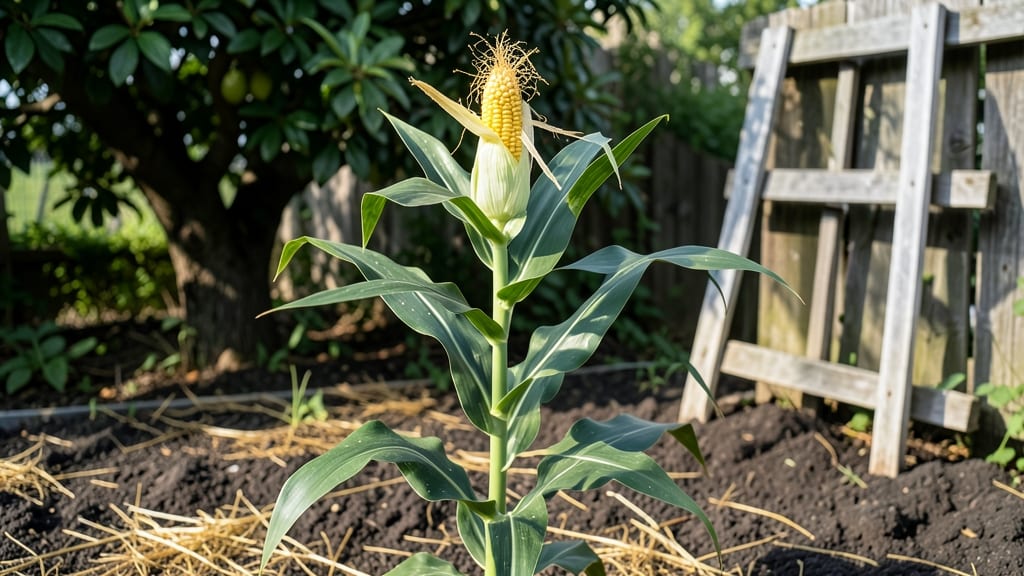
Popcorn plants pictures showcase stunning ornamental types such as Amaranthus cruentus 'Love Lies Bleeding' or Celosia argentea, celebrated for their vivid plumes and nutritious seeds. These decorative yet functional plants flourish in warm regions, delivering dramatic foliage and distinctive seed clusters ideal for landscaping or home cooking.
When you search for popcorn plants pictures, you'll notice these varieties often double as edible crops and garden showstoppers. 🌿 The 'Love Lies Bleeding' cultivar, for example, produces striking tassel-like seed heads that turn deep red, while Celosia offers feathery plumes in fiery hues.
Beyond their visual appeal, these plants attract pollinators and provide sustainable snacks when harvested properly. Many gardeners grow them specifically for their dual ornamental and culinary benefits, making them a practical yet beautiful addition to any yard.
What sets these plants apart is their adaptability - they thrive in containers or garden beds alike, as long as they receive full sun and well-draining soil.
The edible seeds from these varieties pack a nutty flavor profile similar to traditional popcorn but with more protein, making them a nutritious alternative for health-conscious snackers. 💫
💡 In This Article
- Identifying Popcorn Plants by Leaf and Seed Characteristics
- Growing Popcorn Varieties: Soil, Sunlight, and Harvest Tips
Identifying popcorn plants by leaf and seed characteristics
The key to distinguishing popcorn plants from ornamental varieties starts with their foliage. True popcorn varieties like Zea mays everta feature long, lance-shaped leaves with parallel veins and a slightly waxy texture, typically growing 3-6 feet tall.
These leaves are broader than sweet corn's (about 1-2 inches wide) and have a distinctive blue-green hue that darkens as they mature. Ornamental grasses, by contrast, often have thinner, more needle-like blades that grow in clumps rather than upright stalks.
Seed heads offer the most dramatic differences. Popcorn plants develop cylindrical ears covered in small, hard kernels that stay firmly attached even when dry. When mature, these ears can reach 4-8 inches long and feel rough to the touch due to the thick pericarp layer.
In contrast, 'Love Lies Bleeding' produces spiky red tassels that resemble dried flowers, while Celosia forms feathery plumes that resemble cockscombs. The seed heads of true popcorn varieties also remain upright, whereas ornamental varieties often droop or spread outward.
Growth patterns provide another clue. Popcorn plants exhibit monocotyledonous growth—their leaves emerge in a spiral pattern from the stem, and they lack the branching seen in many ornamental grasses. The stalks are sturdy and hollow, capable of supporting the weight of fully developed seed heads.
Sweet corn, meanwhile, has sweeter-tasting kernels that dent when dried, while popcorn kernels remain plump and hard. Ornamental varieties often produce non-edible seed clusters that serve purely decorative purposes.
Here's what to look for when comparing:
- Leaf structure: Popcorn has broad, waxy leaves; ornamental grasses have thin, grass-like blades
- Seed head shape: Popcorn forms cylindrical ears; ornamental varieties create plumes or tassels
- Kernel texture: Popcorn kernels stay hard; ornamental seeds often soften or shatter
- Stalk strength: Popcorn stalks are hollow and sturdy; ornamental varieties may be fibrous or weak
The science behind these differences lies in their breeding purposes. Popcorn varieties were selectively bred to retain moisture in kernels during drying, creating the ideal popping conditions. Ornamental varieties prioritize visual impact over seed viability, often producing seeds that won't germinate or have altered structures.
This explains why popcorn kernels expand 15-20 times their original size when heated, while ornamental seeds remain unchanged.
For gardeners, recognizing these characteristics helps prevent misidentification. For example, quinoa (another edible seed plant) has broader leaves and forms panicle-shaped seed heads rather than ears.
The key takeaway is that while all these plants share similar growth habits, their seed structures and leaf morphology provide clear visual distinctions that become obvious once you know what to look for. 🌱