
Planting
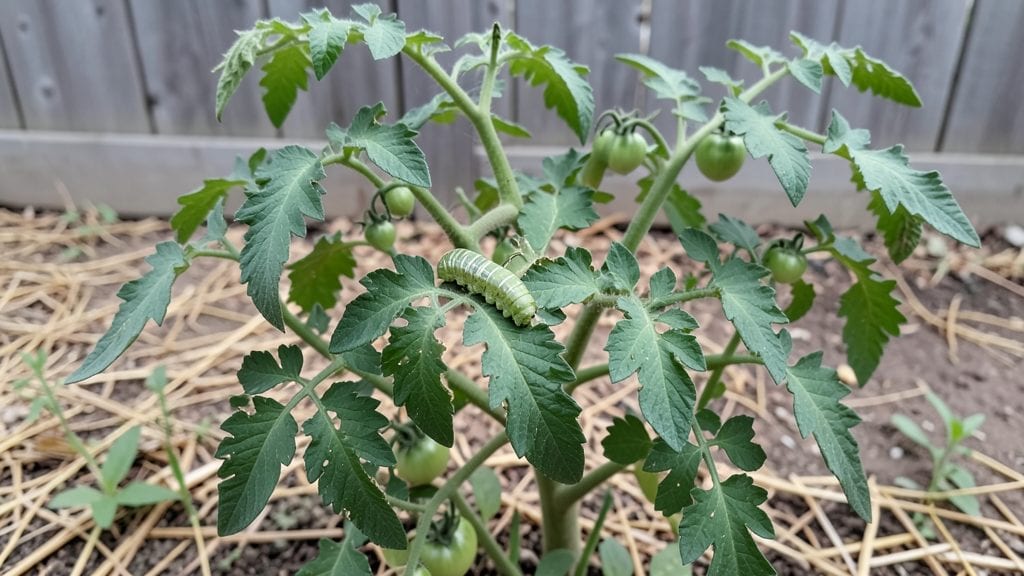
Tomato plant poison primarily comes from the green parts, including stems, leaves, and unripe fruit, which contain solanine and other toxic alkaloids. Ripe red tomatoes are safe, but green or spoiled ones can cause nausea, vomiting, or neurological issues if ingested in large quantities. Always handle with gloves and avoid consuming raw green tomato pieces.
Understanding tomato plant poison starts with recognizing that the danger lies in the plant's natural defenses. 🌱 The green parts produce solanine and tomatine, compounds that deter pests but can upset your stomach if eaten in large amounts.
Even small children or pets might experience mild symptoms, so it's best to keep them away from green tomato vines. What's reassuring is that fully ripe, red tomatoes lose these toxins—nature's way of signaling safety!
When working with tomato plants, I always recommend wearing gloves to avoid skin irritation from sap, especially if you have sensitive skin. 💛 The key is distinguishing between safe and risky parts: stems and leaves are off-limits, while ripe fruit is perfectly edible.
Even then, spoiled tomatoes can harbor mold, so always inspect before eating. This simple rule keeps your garden both productive and safe.
💡 In This Article
- Toxic Compounds in Tomato Plants and Their Effects
- Safe Gardening Practices to Avoid Tomato Plant Poisoning
Toxic compounds in tomato plants and their effects
Tomato plants produce two primary toxic compounds: solanine and tomatine, both glycoalkaloids that act as natural pesticides. Solanine levels peak in green parts—stems, leaves, and unripe fruit—at concentrations up to 5-10 mg per 100g, while ripe red tomatoes contain trace amounts (0.1 mg/100g).
Tomatine, found almost exclusively in tomatoes, can reach 10-20 mg per 100g in green fruit but diminishes as tomatoes ripen. These compounds cause gastrointestinal distress by interfering with nerve cell function and acetylcholine receptors.
The toxicity threshold varies by species: humans typically need to consume 200-500g of green tomatoes to experience symptoms, while pets (especially dogs) are more sensitive due to their lower body weight.
Chlorogenic acid, another compound in green tomatoes, contributes to bitterness and mild stomach upset but isn't as potent as solanine. 💛 The key difference between green and ripe tomatoes lies in enzymatic breakdown: as chlorophyll degrades during ripening, solanine levels drop dramatically, making red tomatoes safe for consumption.
Symptoms of tomato plant poisoning usually appear within 6-12 hours and include nausea, vomiting, diarrhea, and headaches. Severe cases (rare in humans) may cause neurological issues like confusion or hallucinations. Dogs exposed to tomato leaves or stems often show lethargy, drooling, or weakness.
The good news is that cooking reduces solanine levels by 50-70%, though it doesn't eliminate the risk entirely from green parts. This is why gardeners must distinguish between safe and toxic plant components.
Not all tomato varieties contain equal amounts of toxins. Wild tomato species (like Solanum pennellii) can have 3-5x more solanine than cultivated varieties. Even within common types, heirloom tomatoes may retain slightly higher toxin levels than hybrids.
The ripening process is nature's safety mechanism: as tomatoes turn red, their solanine content drops by 90% or more, while lycopene (the antioxidant responsible for red color) increases. This chemical transformation is why ripe tomatoes are safe while green ones require caution.
Pets are particularly vulnerable because their smaller size means even small amounts of green tomato parts can be dangerous. A single 10g leaf (about the size of a poker card) could cause mild poisoning in a 20lb dog.
The toxic effects occur because glycoalkaloids bind to cell membranes, disrupting normal function. In humans, the body metabolizes these compounds more efficiently, but children under 5 years old may experience symptoms from consuming as little as 50g of green tomato due to their lower body weight and developing digestive systems.
What most people don't realize is that even the skin of green tomatoes contains higher concentrations of solanine than the flesh. This is why peeling green tomatoes before cooking reduces risk, though it doesn't eliminate it entirely.
The compound's bitter taste serves as nature's warning system—animals (and humans) are less likely to eat parts that taste unpleasant. However, in culinary traditions where green tomatoes are prepared (like fried green tomatoes), the cooking process significantly reduces but doesn't completely remove the toxins.