Planting
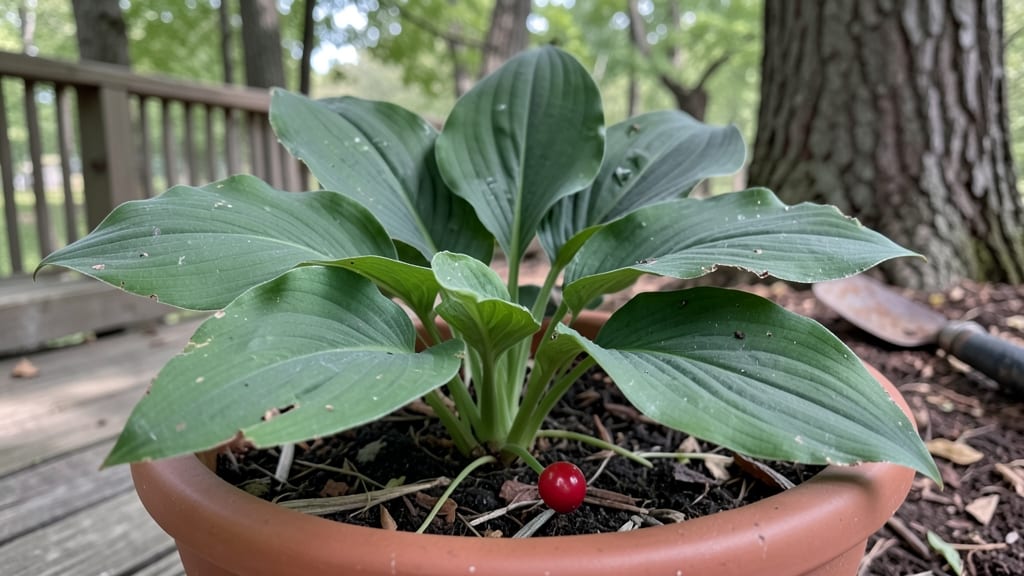
Hosta plants are toxic to pets and children because their leaves contain harmful saponins and oxalates, which can trigger vomiting, excessive drooling, or skin irritation if chewed or swallowed. Always keep them out of reach and consider safer alternatives like spider plants or Boston ferns.
Hosta plants contain saponins, which create a soapy taste and can irritate the mouth and digestive tract, while oxalates form sharp crystals that damage tissues. 🌱 Small pets like cats and dogs are especially vulnerable because their curious nature often leads to accidental ingestion.
Even a small bite can cause mild symptoms, but larger amounts may require veterinary attention. The good news? Many non-toxic plants offer similar shade-loving benefits without the risks.
If you're worried about replacing hostas, consider impatiens for vibrant color or lamb’s ear for soft textures—both thrive in similar conditions while being completely safe for pets. Always check with your vet before introducing new plants, especially if your animals have sensitive stomachs.
💡 In This Article
- Toxic Compounds in Hosta Leaves and Their Effects
- Pet-Friendly Garden Alternatives to Hostas
Toxic compounds in hosta leaves and their effects
The toxicity of hosta leaves stems from two primary compounds: saponins and calcium oxalate crystals. Saponins create a bitter, soapy taste that acts as a natural deterrent for most animals—but curious pets often ignore this warning.
These compounds disrupt cell membranes in the mouth and digestive tract, leading to immediate irritation. The oxalates, meanwhile, form needle-like crystals that physically damage tissue upon contact, causing swelling and pain in the mouth and throat.
When ingested, symptoms typically appear within 30 minutes to 12 hours, depending on the amount consumed. Cats and dogs are particularly vulnerable because their smaller size means even a single leaf (about 5-10 grams) can trigger reactions.
Young animals or those with sensitive stomachs may experience excessive drooling, vomiting, or diarrhea, while larger ingestions can lead to oral ulcers or difficulty swallowing. The severity scales with consumption—what might cause mild drooling in a dog could lead to a vet visit for a cat.
Here's what's actually happening chemically: saponins act as membrane disruptors, breaking down cell walls in the mouth and digestive tract. This causes the burning sensation and excessive saliva production.
Meanwhile, oxalates bind to calcium in saliva, forming sharp crystals that embed in tissues. 🌿 In humans, this might feel like chewing on sandpaper, while pets may paw at their mouths or refuse food afterward.
The compounds are most concentrated in the leaves, with stems containing lower (but still dangerous) levels.
Not all animals react the same way—birds, for example, are less affected because their digestive systems process oxalates differently. However, rabbits and small mammals (like guinea pigs) are highly sensitive due to their delicate digestive tracts.
Even a small bite can cause significant discomfort. The key factor is body weight: a 10-pound dog might tolerate a leaf better than a 5-pound cat, but both should avoid contact entirely.
What most people don't realize is that the toxicity isn't just about ingestion. Handling hosta leaves can cause skin irritation or allergic reactions in sensitive individuals, particularly those with latex allergies (since oxalates are chemically similar to those in poison ivy).
The sap contains mild irritants that can cause redness or itching upon contact. This makes hostas risky even for gardens where pets aren't direct consumers—simply brushing against the plant can lead to accidental exposure.
If you suspect your pet has ingested hosta, monitor for symptoms like excessive drooling, vomiting, or lethargy. While most cases resolve within 24-48 hours, severe reactions may require veterinary intervention, especially if the animal shows signs of swelling or difficulty breathing.
The good news? Non-toxic alternatives like spider plants or Boston ferns offer similar shade benefits without the risks.