
Planting
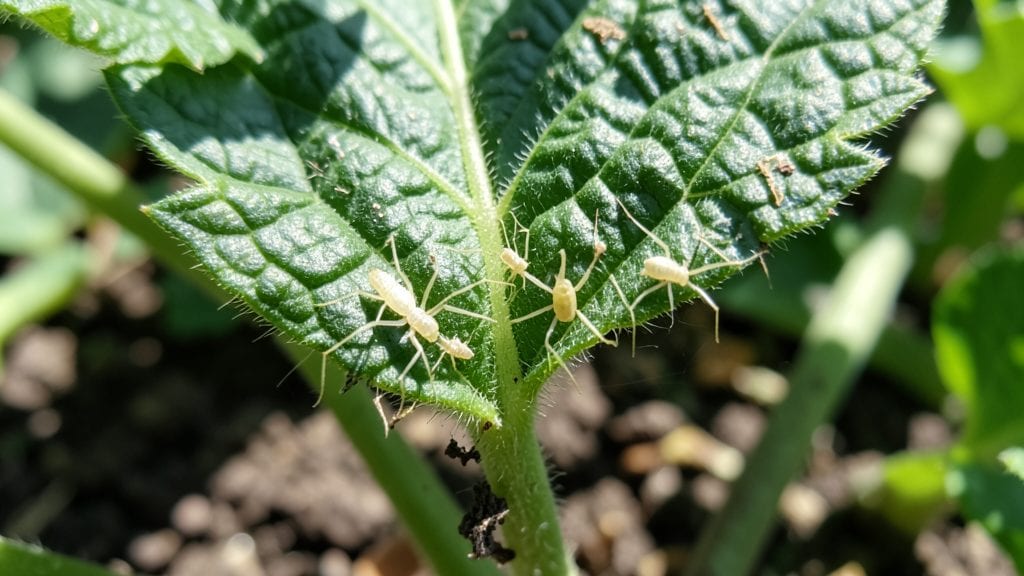
Tomato plant mites can turn your lush vines into a skeleton act faster than you'd think. 🌱 I've watched these tiny pests go from invisible to devastating in just a few weeks, and the key to saving your harvest is catching them early—before the webbing and yellowing leaves become permanent.
The good news? You don't need harsh chemicals to win this battle.
These microscopic critters thrive in dry, dusty conditions, which is why proper watering makes all the difference. A simple spray on the undersides of leaves disrupts their life cycle, and adding a few drops of mild dish soap to your watering can gives you a free, organic weapon.
I've seen tomato plants bounce back from early infestations when I acted within a week of spotting the first signs.
What you'll achieve is a tomato plant that stays vibrant and productive, with fewer yellow speckles and no sticky webbing. The plants will keep growing strong, and you'll avoid the heartbreak of watching your harvest shrink before your eyes.
Once you know what to look for, these pests become manageable—not a garden nightmare.
This approach works for both backyard gardens and container-grown tomatoes, and the same principles apply to other susceptible plants like peppers and eggplants. The secret is consistency: check your plants regularly, especially during hot, dry spells, and act fast when you see the first signs of trouble.
Hidden Triggers Behind Tiny Threats
Tiny but mighty, tomato plant mites—like spider mites, broad mites, or cyclamen mites—don’t just appear out of nowhere. Their infestations are often the result of a perfect storm of environmental and cultural factors.
Understanding these triggers is the first step to stopping them before they spin webs of destruction across your tomato plants. Let’s break down the real culprits behind these microscopic menaces.
Mites thrive in hot, dry conditions, especially when temperatures hover between 75–90°F (24–32°C). Here’s why:
- Rapid reproduction: High heat accelerates their life cycle, allowing females to lay hundreds of eggs in weeks instead of months. 🔥
- Plant stress = weaker defenses: Dry soil forces tomato plants to conserve water, making their leaves tougher and less palatable to natural predators (like ladybugs). Mites exploit this by feasting on the plant’s weakened sap.
- Low humidity = sticky situation: Mites lose moisture quickly in arid air, but their waxy bodies help them survive. Meanwhile, your tomato plants wilting signals to mites: “All you can eat!”
Actionable fix: Monitor soil moisture with your finger—top 1–2 inches should stay slightly damp. Use mulch to retain moisture and consider a light misting of leaves in extreme heat (early morning or evening to avoid fungal issues).
Mites spread like wildfire in dense, poorly ventilated plantings. Here’s how proximity fuels their takeover:
- Direct plant-to-plant transfer: Mites hitch rides on wind, tools, or even your shoes. A single infested tomato plant can contaminate neighboring crops in days. 🚶♂️💨
- Reduced airflow = trapped pests: Crowded plants create microclimates with higher humidity in some spots and dryness in others—a mites’ dream. Shady, humid corners (like under drip lines) become breeding grounds.
- Weakened immunity: Overcrowded tomatoes compete for nutrients, leading to yellowing leaves and stunted growth—perfect conditions for mites to move in.
Actionable fix:
- Space tomato plants 18–24 inches apart (or follow seed packet guidelines).
- Prune lower leaves to improve airflow, especially in greenhouses or containers.
- Rotate crops yearly to disrupt mite life cycles.
Mites don’t act alone—other garden problems invite them in. Two major culprits:
🍄 Fungal Infections (Powdery Mildew, Blight)
Fungi like powdery mildew create a white, dusty coating on leaves, which:
- Disrupts the plant’s natural waxy cuticle, making it easier for mites to pierce and feed.
- Attracts mites because fungal spores alter leaf chemistry, making sap sweeter.
🧪 Overuse of Broad-Spectrum Pesticides
Spraying synthetic pesticides (even for other pests) can:
- Kill beneficial insects (ladybugs, lacewings, predatory mites) that eat mites.
- Leave chemical residues that repel natural predators but don’t harm mites, leading to unchecked populations.
Actionable fix:
- Treat fungal issues first with baking soda spray (1 tsp baking soda + 1 quart water + a drop of dish soap) or neem oil (follow label rates).
- Swap harsh pesticides for targeted organic options, like insecticidal soap or kaolin clay, which are safer for beneficial bugs.
Mites often hitchhike on:
- Transplants: Nursery-bought tomato starts may already host mites. Inspect leaves before planting—look for tiny webs or speckling.
- Compost/manure: While organic, poorly composted materials can harbor mite eggs or other pests.
- Weeds and debris: Mites overwinter in garden detritus (like old plant matter) and move to tomatoes when conditions warm up.
Actionable fix:
- Quarantine new plants for 1–2 weeks before introducing them to your garden.
- Solarize soil in spring (cover with clear plastic for 4–6 weeks) to kill overwintering mites.
- Remove weeds and debris regularly, especially around tomato beds.
By addressing these root causes—heat, crowding, chemical imbalances, and hidden hitchhikers—you’ll disrupt the conditions that let mites throw a party on your tomato plants. The key? Prevention through vigilance and organic balance. Next up: how to spot these pests before they spin their webs of woe. 🕷️🚫
Quick Fixes for Tiny Tomato Threats
Tiny invaders like spider mites or broad mites can turn your thriving tomato plants into a sad, web-covered mess—but don’t panic! With the right approach, you can reverse the damage and protect your harvest.
Below, we’ve mapped out practical, organic solutions based on the root cause of your mite problem, plus prevention tips to keep your garden healthy long-term.
Before treating, confirm whether you’re dealing with spider mites (tiny yellow or red dots, fine webbing) or broad mites (silver specks, curled leaves). Misdiagnosing can waste time and resources—so grab a magnifying glass and inspect the undersides of leaves and new growth.
🕷️ Overcrowded or stressed plants?
Boost Resilience Cause: Mites thrive in weak, crowded plants with poor airflow. Fix: - Prune aggressively 🔪—remove yellowing or heavily infested leaves (seal them in a plastic bag for disposal). - Space plants wider (18–24 inches apart) to improve airflow and reduce humidity—mites hate dry conditions. - Mulch with straw 🌾 to retain moisture in the soil, encouraging stronger roots that repel pests naturally.
💡 Pro Tip: If your tomatoes are nutrient-deficient, feed them with compost tea or a balanced organic fertilizer (like 5-5-5) to build toughness.
🌡️ Hot, dry weather?
Hydrate & Shield Cause: Mites love dry, hot conditions (ideal for them, terrible for plants). Fix: - Water deeply in the morning 💦 (aim for the soil, not the leaves, to avoid fungal issues). - Mist leaves lightly in the evening (use a spray bottle) to raise humidity slightly—mites prefer arid environments. - Shade cloth (30–50%) can protect plants from extreme heat, making them less appealing to mites.
✨ Quick Hack: Place a shallow tray of water near plants to increase local humidity without overwatering.
🕸️ Visible webbing or specks? Attack the mites directly
Cause: Active infestation requiring immediate action. Fix: 1. Neem oil spray 🍳 (1 tbsp neem oil + 1 tsp mild soap + 1 quart water). Spray top and bottom of leaves at dusk (avoids harming bees).
Reapply every 5–7 days for 2–3 weeks. 2. Insecticidal soap 🧼 (like Safer® Brand) for a faster knockdown. Test on a small leaf first—some plants are sensitive! 3. Horticultural oil ❄️ (like dormant oil) smothers mites. Apply in cool weather (below 85°F) to avoid leaf burn.
🔥 Caution: Avoid chemical miticides—they can harm beneficial insects and leave residue on edible tomatoes.
🐝 Beneficial predators missing?
Bring in Backup Cause: Lack of natural predators (like ladybugs or predatory mites). Fix: - Release ladybugs 🐞 (buy them online or from garden centers; they love mites). - Plant companion flowers 🌸 (like marigolds, dill, or alyssum) to attract predatory insects. - Install a bee bath 🍯 to support pollinators that also control mite populations.
💡 Pro Tip: If you spot tiny black bugs (lacewings), leave them—they’re mite-eating machines!
Once you’ve kicked the mites to the curb, lock in your defenses with these habits:
- Rotate crops 🌱—don’t plant tomatoes in the same spot yearly (mites overwinter in soil).
- Inspect new plants 🔍 before bringing them home (quarantine for a week if possible).
- Use reflective mulch 🌈 (like aluminum foil or silver plastic) to disorient mites with light.
- Encourage biodiversity 🌿—healthy soil = strong plants = fewer pest problems.
🎯 Final Reminder: Consistency is key! Mites reproduce fast—stay vigilant with checks and treatments until you’ve seen two full leaf cycles without new signs of infestation. Your tomatoes (and your sanity) will thank you!
Frequently asked questions
What do tomato plant mites look like up close?
Tomato mites are microscopic—typically 0.004 inches long—so you’ll need a magnifying glass or hand lens to see them clearly. Spider mites appear as tiny red, yellow, or green dots, while broad mites look like silver specks. Look for fine webbing on leaf undersides or between stems as a key identifier.
How often should I check my tomato plants for mites?
Inspect your tomato plants every 3–5 days during hot, dry weather when mites are most active. Focus on leaf undersides, new growth, and areas with poor airflow. Early detection is critical—mites can double their population in just 3–5 days under ideal conditions.
Will homemade remedies like garlic or onion spray work against tomato mites?
While garlic and onion sprays can deter some pests, they’re not consistently effective against mites. The best homemade options are neem oil or insecticidal soap (1 tsp mild soap + 1 quart water). For serious infestations, combine these with cultural controls like proper watering and pruning for best results.
Can I still harvest tomatoes if my plants have mites?
Yes, but focus on fully ripened fruit first—they’re less likely to be affected. Remove heavily infested leaves and treat the plant immediately. Mites don’t directly harm fruit, but severe infestations can stress plants enough to reduce yield. Always wash tomatoes thoroughly before eating.
Why do my tomato plants get mites every year?
Mites often return due to overwintering eggs in soil or plant debris. To break the cycle: rotate crops, remove all plant debris after harvest, and practice soil solarization (covering soil with plastic for 4–6 weeks in spring). Healthy plants with proper spacing are your best defense.