
Pests
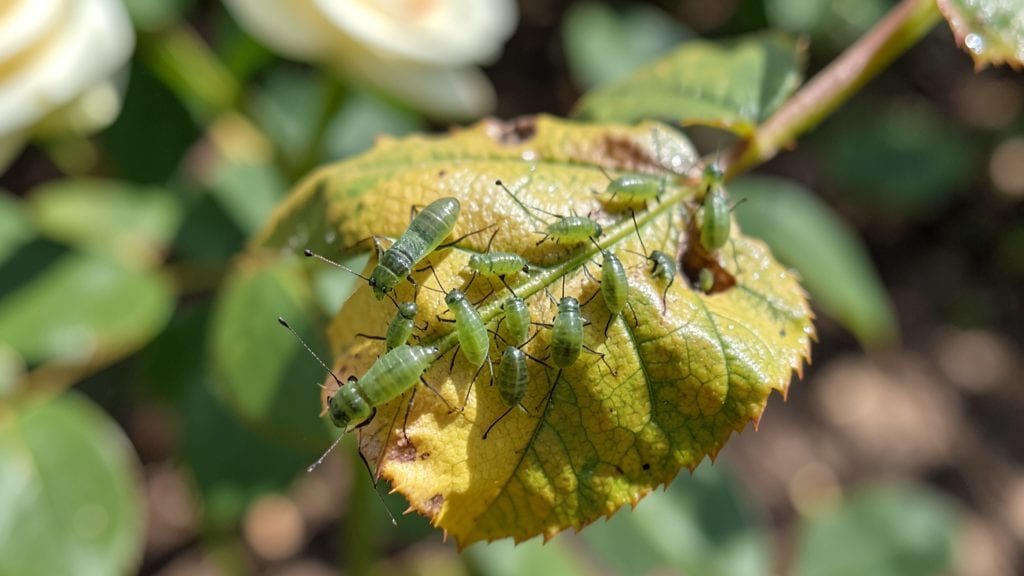
Aphids plant damage starts small but spirals fast—those tiny green invaders turn vibrant leaves into sticky, curled messes before you even notice. I’ve seen healthy tomato plants wilted and honeydewed in under a week, and the real kicker?
Most gardeners only catch it when the damage is already done. The good news? You can stop it before it spreads, and the fixes are simpler than you’d think.
Here’s the thing—aphids don’t just suck sap; they leave behind a sticky residue that attracts mold, weakens plants, and stunts growth. Early signs are curled leaves, tiny clusters on stems, or a shiny film on foliage.
The moment you spot these, act fast: spray with soapy water, introduce ladybugs, or apply neem oil—all organic, all effective. No harsh chemicals needed.
By the time you’re done, your plants will bounce back stronger than ever. The key is catching it early—once aphids take hold, they multiply like crazy.
I’ve saved entire gardens just by checking the undersides of leaves weekly. It’s a small habit with huge payoffs, and it keeps your garden thriving all season.
Works for vegetables, flowers, and even houseplants—no matter what you’re growing, this method keeps aphids in check. Let’s get your garden back to its best before the damage gets worse.
The Root Causes Behind Aphid Infestations
Aphids may seem like tiny, harmless pests, but they’re actually highly efficient plant invaders that thrive due to a mix of ecological, environmental, and even human-related factors. Understanding why these sap-sucking insects target your plants—and why they multiply so rapidly—is the first step to stopping them in their tracks.
Let’s break down the real reasons your garden becomes an aphid buffet.
Aphids are opportunistic feeders, meaning they zero in on plants that are already struggling. When a plant’s natural defenses are compromised, aphids detect the vulnerability and move in like a fast-food drive-thru. Here’s why this happens:
- Nutrient Deficiencies: Plants low in nitrogen, phosphorus, or potassium (common in poor soil) produce weaker sap, making them easier targets. Aphids prefer plants with high sugar content, which stressed plants often overproduce.
- Disease or Fungal Infections: Plants infected with powdery mildew, rust, or viral diseases (like mosaic virus) emit chemical signals that aphids find irresistible. These pests transmit viruses while feeding, creating a vicious cycle.
- Physical Stress: Overcrowded plants, root-bound roots, or transplant shock weaken a plant’s ability to fight off pests. Aphids exploit this by clustering on tender new growth.
Actionable Fix: Conduct a soil test to check nutrient levels and amend with compost or organic fertilizer. Prune diseased leaves immediately and space plants properly for airflow.
Aphids are cold-blooded, meaning they rely on external temperatures to thrive. When conditions are just right, their populations explode overnight. Here’s what gives them the green light:
| Factor | Why It Helps Aphids |
|---|---|
| 🌡️ Warm Temperatures (60–80°F) | Speeds up their reproduction cycle—some species give birth to 50–100 nymphs per day without mating (a process called parthenogenesis). |
| ☀️ High Humidity | Prevents natural predators (like ladybugs) from thriving while keeping aphids hydrated and active. |
| 🌧️ Light Rain or Dew | Washes away antiseptic secretions (like honeydew) that attract ants, which protect aphids in exchange for food. |
| 🌿 New Growth Seasons | Aphids love tender, succulent shoots (spring and early summer) because they’re packed with easily accessible sap. |
Actionable Fix: Monitor weather patterns and use row covers in early spring to deter aphids. Encourage predators like lacewings, hoverflies, and parasitic wasps by planting companion flowers (e.g., dill, fennel, or marigolds).
Here’s a shocking truth: ants don’t just ignore aphids—they actively farm them. These insects herd aphids like cattle, protecting them from predators and even milking their honeydew for food. Here’s how it works:
- Mutualistic Relationship: Ants stroke aphids to trigger honeydew production, a sugary waste product. In return, ants defend aphid colonies from threats like ladybugs or birds.
- Underground Highways: Ants create trails between aphid-infested plants and their nests, ensuring a steady food supply. This is why you often see ants marching in lines on your plants!
- Colony Expansion: Ants will relocate entire aphid colonies to new plants, turning your garden into a pest hotspot.
Actionable Fix:
- 🔥 Disrupt ant trails with barriers like Tanglefoot or sticky tape around plant stems.
- 🌡️ Use ant baits (like borax or diatomaceous earth) to eliminate the workers, breaking their "aphid farm" system.
- 🎯 Encourage ant predators like praying mantises or birds by adding water sources or nesting boxes.
While you might think fertilizers and pesticides help plants, overuse can backfire spectacularly by creating the perfect aphid paradise. Here’s how:
- Excess Nitrogen: Too much nitrogen (common in synthetic fertilizers) leads to soft, fast-growing tissue that aphids adore. It also weakens plant immunity by disrupting natural defense compounds.
- Systemic Pesticide Resistance: Some pesticides (like neonicotinoids) kill beneficial insects first, leaving aphids unchecked. Others create chemical residues that repel predators but not aphids.
- Soil Disruption: Heavy chemical use destroys beneficial microbes in the soil, which help plants fend off pests naturally.
Actionable Fix:
- 💡 Switch to organic fertilizers (like compost tea or fish emulsion) and follow a balanced NPK ratio (e.g., 5-5-5).
- 🌡️ Avoid systemic pesticides—opt for neem oil, insecticidal soap, or kaolin clay instead.
- 🌱 Boost soil health with mycorrhizal fungi or beneficial nematodes to strengthen plant defenses.
Key Takeaway: Aphid infestations aren’t random—they’re a symptom of deeper issues in your garden’s ecosystem. By addressing plant health, climate control, ant interference, and chemical use, you’ll make your garden a far less welcoming (and far more resilient) place for these pests.
Quick Fixes for Aphid Infestations
Aphids may be tiny, but their damage adds up fast—leaving your plants looking sad and stressed. The good news? You don’t need harsh chemicals to tackle them. Below, we’ll map out practical, organic solutions tailored to the root cause of your aphid problem.
Whether they’re sucking the life out of your leaves, spreading sticky honeydew, or attracting pests, these fixes will help you reclaim your garden—without breaking the bank or the planet.
Aphids leave behind a sugary mess that attracts sooty mold and ants. Clean it up and disrupt their party.
How to Solve It:
- 🔥 Blast Off the Glue – Use a strong spray of water (from a hose or spray bottle) to wash away honeydew from leaves and surfaces. Repeat every few days until the residue is gone.
- 🍳 DIY Soap Spray – Mix 1 tbsp mild liquid soap (like Castile soap) or 1 tsp neem oil with 1 quart of water. Spray directly on aphids (they’ll drop off within hours). Test on a small leaf first to avoid burning tender plants.
- 👨🍳 Vinegar Rinse – Combine 1 cup white vinegar, 1 tsp dish soap, and 1 gallon of water. Spray on infested areas—aphids hate the smell and will vacate quickly.
💡 Prevention Tip: Hang yellow sticky traps near plants to catch aphids before they multiply. Replace them every 2–3 weeks for best results.
Aphids inject toxins as they feed, causing leaves to curl, yellow, or drop prematurely.
How to Solve It:
- 🔪 Hand-Pick the Pests – Squish aphids with your fingers (yes, really!) or use a soft brush to brush them into soapy water. Do this early in the morning when they’re sluggish.
- 🌡️ Introduce Beneficial Bugs – Ladybugs, lacewings, and parasitic wasps love aphids. Buy them online or attract them by planting dill, fennel, or marigolds.
- 🥘 Neem Oil Treatment – Spray a neem oil solution (1 tsp neem oil + 1 tsp soap + 1 quart water) on both sides of leaves. Reapply every 5–7 days until aphids disappear.
💡 Prevention Tip: Rotate crops and avoid over-fertilizing with nitrogen—aphids thrive on fast-growing, tender plants.
The best defense? Stop aphids from moving in at all.
How to Solve It:
- 🛡️ Barrier Sprays – Mix garlic or chili pepper spray (blend 2 garlic cloves + 1 tbsp cayenne + 1 quart water; strain and spray) to repel aphids.
- 🌿 Companion Planting – Surround vulnerable plants with garlic, basil, mint, or rosemary—aphids dislike these strong scents.
- 🌡️ Soil Health Check – Aphids love weak plants. Boost immunity with compost tea or fish emulsion to make your plants less appealing.
💡 Prevention Tip: Inspect new plants before bringing them home. Quarantine them for 1–2 weeks to catch hitchhiking pests early.
Final Thought: Aphids are a nuisance, but with these targeted, organic fixes, you can outsmart them without resorting to chemicals. Start with one or two methods, monitor your plants, and adjust as needed.
Before you know it, your garden will be aphid-free and thriving—just like it should be! 🌿✨
Frequently asked questions
What are the first visible signs of aphid damage on plants?
Look for sticky honeydew residue on leaves (like a shiny film) and curled or yellowing leaves. You’ll also spot tiny green/black clusters on stems or undersides of leaves—these are the aphids themselves. Check new growth first, as they love tender shoots.
Can aphids kill my plants if left untreated?
While they won’t kill most healthy plants outright, severe infestations can stunt growth, attract sooty mold, and spread viruses like mosaic disease. Weak plants (like seedlings or stressed shrubs) are at highest risk—act within 3-5 days of noticing damage to prevent long-term harm.
Why do aphids always return after I treat them?
They’re often re-infested by ants (who protect them) or blown in from nearby plants. Check for ant trails and use barrier sprays (like neem oil) on stems. Also, treat the entire garden, not just visible clusters—aphids hide in leaf crevices.
Are there any plants aphids completely avoid?
No plant is 100% aphid-proof, but garlic, onions, and marigolds naturally repel them due to strong scents. Use these as companion plants around vulnerable crops. Even "resistant" plants may get aphids during outbreaks—just monitor them closely.
How do I know if my plant damage is from aphids vs. another pest?
Compare these clues: aphids leave sticky residue (honeydew) and tiny clusters, while spider mites cause speckled leaves and webs. Mealybugs create cottony masses. Examine leaves under a magnifying glass—aphids are pear-shaped with two antennae.