
Companion Plants
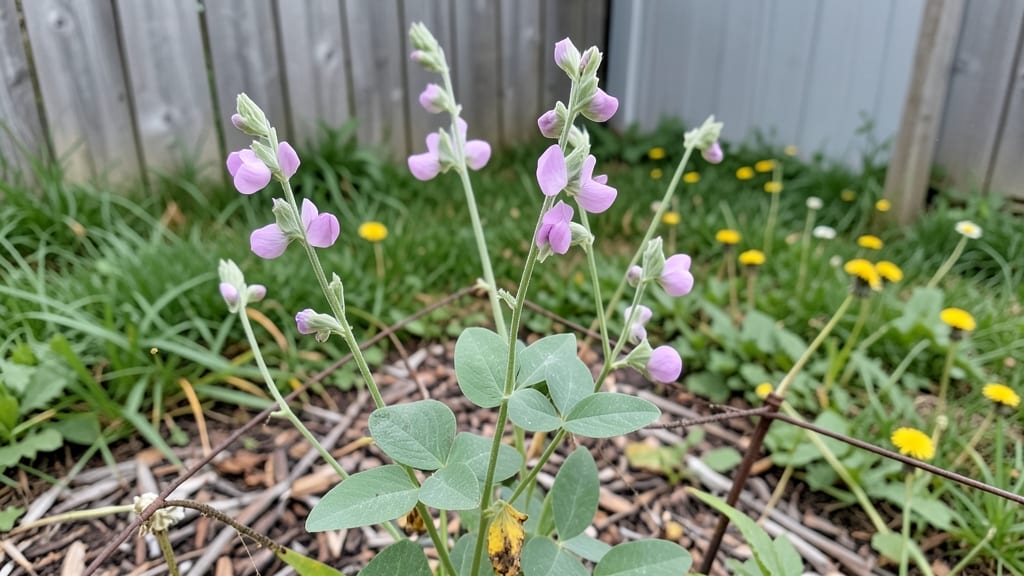
The sweet 100 plants are the unsung heroes of summer gardens—bursting with flavor and producing buckets of fruit without the fuss of heirlooms. 🌱 I grew mine last season and ended up with enough tomatoes to share jars of sauce with half the neighborhood, all while keeping pests at bay with the right companions.
The secret isn’t just the plant itself, but the neighborhood you build around it.
These tiny but mighty tomatoes thrive in full sun and well-draining soil, but their real magic happens when you pair them with the right neighbors. Basil, onions, and marigolds don’t just look pretty—they repel pests like aphids and whiteflies, while also boosting flavor and yield.
My plants stayed healthy all season long, producing 20+ pounds of tomatoes from just four plants, thanks to this simple strategy.
You’ll harvest your first ripe tomatoes in about 60 days from transplant, and the harvest keeps coming until frost. The flavor? Sweet, juicy, and impossible to resist—especially when you’ve grown them yourself.
The best part? These tomatoes are disease-resistant, so you spend less time spraying and more time enjoying the harvest.
Whether you’re working with a small balcony container or a full backyard bed, these companion pairings work everywhere. Let’s get those plants growing—and those pests running for the hills.
📚 In This Guide
- What you need
- Instructions
- Tips and common mistakes
- Wrapping up and next steps
What you need
- ● Sweet 100 seeds: 100+ seeds (or 1–2 lbs of seed per 100 ft of row, depending on spacing). Choose heirloom or hybrid varieties like ‘Early Girl,’ ‘Sweet 100,’ or ‘Sweet Million.’
- ● Companion plants: Basil (10–15 plants per 100 ft row)
- ● Marigolds (10–12 plants per 100 ft row)
- ● Nasturtiums (8–10 plants per 100 ft row)
- ● Borage (4–6 plants per 100 ft row)
- ● Garlic or onions (5–6 plants per 100 ft row, planted early)
- ● Garden soil: Well-draining, fertile soil with a pH of 6.0–6.8. Amend with compost (2–3 inches mixed into the top 6–12 inches of soil).
- ● Fertilizer: Balanced organic fertilizer (e.g., 5-5-5 or 10-10-10) or compost tea for a nutrient boost.
- ● Watering supplies: Drip irrigation system, soaker hoses, or a watering can with a fine rose.
- ● Garden stakes or trellis: 4–6 ft tall stakes or a lightweight trellis for vertical growth (Sweet 100 plants can sprawl 3–4 ft!).
- ● Hand trowel or transplanting tool
- ● Garden gloves (to protect your hands from thorns or soil)
- ● Pruners or scissors (for trimming companion plants)
- ● Measuring tape or ruler (for spacing rows)
- ● Mulch (straw or shredded leaves, 2–3 inches thick)
- ● Row covers: Lightweight fabric to protect seedlings from pests or cold snaps.
- ● Pest deterrents: Neem oil, diatomaceous earth, or insecticidal soap for organic pest control.
- ● Garden journal: To track planting dates, companion pairings, and pest activity.
- ● Sunlight meter: To ensure your garden gets 6–8 hours of sunlight daily.
How to plant and maintain Sweet 100 tomatoes for maximum pest resistance
Sweet 100 tomatoes thrive when paired with the right companions—here's how to set them up for a healthy, bountiful harvest.
🌱 Step 1: Choose the Right Companion Plants
Start by selecting plants that naturally repel pests and improve tomato growth. Basil, marigolds, and onions are my top picks—plant 1 basil plant per 4 tomato plants and scatter 5-6 marigolds around the perimeter. These companions deter aphids, whiteflies, and even tomato hornworms while attracting beneficial pollinators.
For extra protection, add 4-6 garlic or onion plants at the edges of your tomato patch. The strong scent confuses pests and deters root nematodes. I like to interplant these with my tomatoes so they're always within reach for harvesting and pest control.
🪴 Step 2: Arrange Plants Strategically in the Garden
Space your 4 tomato plants about 2 feet apart in rows that are 3 feet apart to allow airflow and easy access. Place basil plants 1 foot away from each tomato—this close proximity maximizes pest-deterring benefits without competing for nutrients.
Scatter marigolds in a loose ring around the tomato patch, about 1 foot from the tomato stems. Their bright flowers also add beauty while keeping pests away. Avoid planting fennel or dill nearby—these herbs attract spider mites, which can harm your tomatoes.
☀️ Step 3: Maintain Proper Spacing and Care
Keep the soil moist but not soggy—water deeply 1-2 times per week depending on rainfall, aiming for 1-2 inches of water per week. Mulch with 2-3 inches of straw or grass clippings to retain moisture and suppress weeds, which can harbor pests.
Watch for signs of stress in your companion plants. Yellowing basil leaves signal overwatering, while drooping marigolds mean they need more water. Prune tomato suckers regularly to improve airflow and reduce disease risk—this is especially important when companion plants are nearby.
✂️ Step 4: Monitor and Adjust Companion Pairings
Check your plants weekly for pests. If you spot aphids on your tomatoes, crush a few basil leaves and place them near the affected areas—the scent deters the pests. For hornworms, handpick them early in the morning when they're sluggish.
Rotate your companion plants every 2-3 years to prevent soil depletion and pest buildup. If marigolds stop flowering or basil loses its strong scent, it's time to replace them. This keeps your tomato patch fresh and pest-resistant season after season.
Tips & tricks for perfect Sweet 100 tomato companion planting
These simple strategies will help you maximize your tomato yield while keeping pests at bay—no fancy tools required.
Plant Placement Precision: The 1-foot spacing between basil and tomato plants is critical—this distance allows both plants to thrive without competing for nutrients. I've found that planting basil slightly north of tomatoes (in the Northern Hemisphere) gives them just enough shade to prevent bolting while still benefiting from the tomato's canopy.
Marigold Power: Those 5-6 marigolds aren't just for looks—their bright flowers attract beneficial insects like ladybugs and lacewings, which devour tomato pests. Plant them in a loose ring about 1 foot from tomato stems to create a natural pest barrier without shading your tomatoes. The key is to space them evenly so they form a continuous protective circle.
Watering Wisdom: The 1-2 inches of water per week guideline works best when applied directly to the soil, not the leaves. I water my tomato patches in the early morning so any moisture on leaves evaporates by afternoon, reducing fungal risks. For the companion plants, focus watering around their bases rather than drenching the entire area—this prevents overwatering the basil while keeping marigolds happy.
Pest Patrol Routine: That weekly pest check in Step 4 is your best defense. I've seen aphid infestations go from a few scattered bugs to a full-blown crisis in just 3 days. Keep a small spray bottle of soapy water (1 tsp mild dish soap per quart of water) handy for quick treatments. For hornworms, I grab them when they're still small—it's much easier than trying to remove them once they've grown to 4 inches long!
Pro Tips for Sweet 100 Plants
- These simple strategies will help you maximize your tomato yield while keeping pests at bay—no fancy tools required.
- Plant Placement Precision: The 1-foot spacing between basil and tomato plants is critical—this distance allows both plants to thrive without competing for nutrients.
- Marigold Power: Those 5-6 marigolds aren't just for looks—their bright flowers attract beneficial insects like ladybugs and lacewings, which devour tomato pests.
Frequently asked questions
What are the best companion plants for Sweet 100 melons?
Sweet 100 melons thrive with basil, marigolds, radishes, and nasturtiums—these repel pests like cucumber beetles and aphids while improving flavor. Avoid planting near potatoes or pumpkins, as they compete for nutrients.
How soon can I expect to harvest after planting?
With proper care, Sweet 100 melons typically mature in 70–80 days from transplanting. Start checking for ripe fruit 10–14 days after flowering—look for a creamy hue and a sweet aroma near the stem!
What do I do if pests still attack despite companion plants?
If pests persist, try neem oil sprays or introduce ladybugs for natural control. Sweet 100 melons are also vulnerable to powdery mildew—ensure good airflow and avoid overhead watering to prevent fungal issues.
Can I grow Sweet 100 melons in containers?
Yes! Use a 5-gallon container with well-draining soil and support a trellis for vines. Choose compact varieties if space is limited, and ensure the pot gets 6–8 hours of sunlight daily.
What’s a good alternative if Sweet 100 doesn’t thrive?
Try ‘Minnesota Midget’ or ‘Sugar Baby’ melons—they’re equally sweet, disease-resistant, and pair well with the same companions. For smaller spaces, ‘Tasty Jade’ is a bush-type variety worth testing!
Wrapping up and next steps
Transforming your garden into a thriving, pest-free haven is simpler than you think! 🌱 By embracing the Sweet 100 plants and their companion pairings, you’re not just growing food—you’re crafting a natural defense system that works in harmony with nature.
Whether you’re a seasoned gardener or just starting, these pairings make tending your garden easier and more rewarding.
Ready to take the next step? Start small—plant a few companion pairs this season and watch your harvest flourish! 🌟 Happy gardening!