
How To
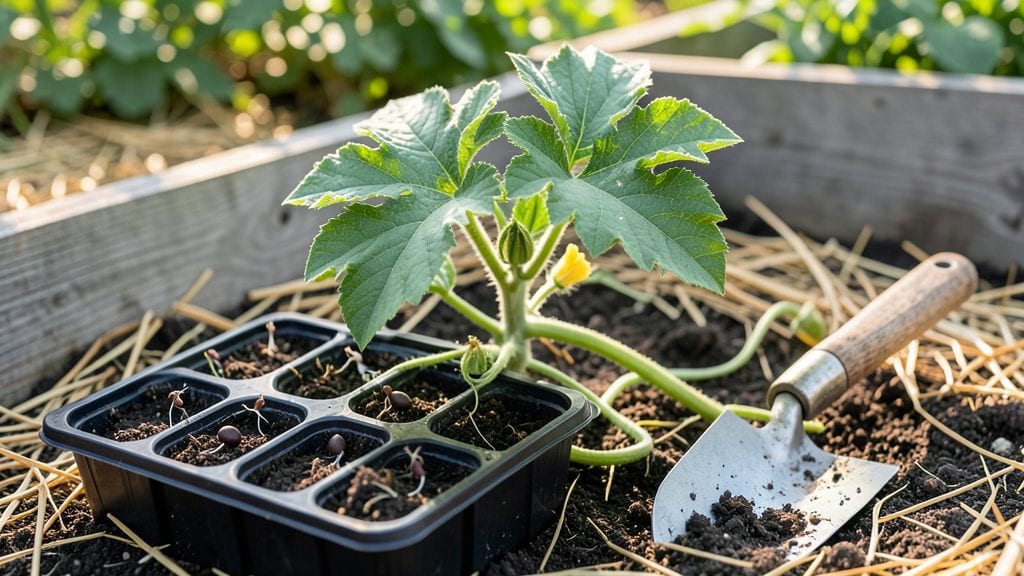
Planting Sugar Baby watermelon seeds 🍉 right means the difference between a bumper crop of sweet, tiny fruits and a sad, empty patch.
Sugar Baby watermelons are a gardener’s dream—sweet, compact, and perfect for small spaces—but planting them wrong can mean poor germination and wasted effort. Follow these expert-approved spacing and depth tricks to ensure your seeds sprout reliably and grow into thriving vines.
Timing is everything: aim for April 15 to May 15 in Zone 6a, when soil temperatures hit at least 70°F. Too early, and the seeds rot; too late, and your vines won’t have enough time to produce fruit before fall.
I’ll show you exactly how deep to bury those seeds—half an inch is the magic number—and how to space them so they don’t compete for sunlight or nutrients.
You’ll also learn how to prep your soil for maximum germination, spot early warning signs of trouble, and keep your vines happy until harvest. Ready to grow your own 65-day watermelons? Let’s get started.
Optimal Sugar Baby watermelon seed spacing and depth for maximum germination rates
Sugar Baby watermelons thrive when planted with precision—proper seed spacing and depth prevent overcrowding and ensure strong germination. Unlike larger varieties, these compact vines need careful placement to maximize fruit production while avoiding disease. I’ve learned the hard way that even 1 inch too close can stunt growth, so let’s get this right from the start.
Start by testing your soil temperature—it must reach at least 70°F for seeds to sprout reliably. Use a soil thermometer to check, especially in cooler climates. Moisture levels matter just as much: soil should be damp but not soggy before planting.
I recommend watering the bed thoroughly 24 hours ahead to create the perfect environment for germination.
Now, let’s talk planting depth. Bury your Sugar Baby seeds only 0.5 to 1 inch deep—any deeper, and they’ll struggle to break through the soil. I’ve seen gardeners plant them too shallow (¼ inch), which leads to drying out.
Aim for the ½-inch mark as a sweet spot for consistent sprouting.
Here’s where many gardeners go wrong: row spacing. These vines spread aggressively, so give them 3 to 4 feet between rows. If you’re short on space, 4 feet is ideal to prevent fungal issues from poor airflow.
Personally, I’ve had the best luck with 4-foot rows in my raised beds, where I can also add trellis supports later if needed.
Don’t forget bed spacing—this is where 6 to 8 feet between plants makes all the difference. Crowding leads to pale, weak vines and fewer fruits. I’ve seen gardeners pack them too close, thinking more plants mean more melons, but it backfires.
Space them 6 feet apart for optimal air circulation and sunlight penetration.
Let’s break down the critical factors for success in one easy reference:
Once your seeds are in the ground, mulching becomes your best friend. Apply 2–3 inches of straw or black plastic mulch to retain moisture and suppress weeds.
I’ve noticed that mulched beds stay 5–10°F warmer during the day, which speeds up germination. Just avoid piling mulch directly against the seeds to prevent rot.
After planting, keep the soil consistently moist but never waterlogged. I set up a drip irrigation system on a timer for my Sugar Baby beds, delivering ½ inch of water every 2–3 days.
This method prevents soil crusting, which can smother emerging seedlings. If you’re hand-watering, aim for the base of the plants and avoid wetting the leaves to reduce disease risk.
Watch for sprouts in 5–10 days if conditions are ideal. If germination takes longer than 2 weeks, check your soil temperature—it might still be too cool. I’ve had to replant seeds in biodegradable pots when early attempts failed due to cold soil.
Patience is key, but don’t hesitate to intervene if your seeds aren’t cooperating.
Pro tip: Mark your seed rows with bamboo stakes or flags to avoid disturbing the soil while waiting for sprouts. I use orange flags for visibility and to track which seeds I’ve planted. This small step saves time when it’s time to thin or transplant seedlings later.
Remember, proper spacing isn’t just about the seeds—it’s about setting up your Sugar Baby watermelons for a lifetime of healthy growth. When done right, you’ll enjoy sweet, compact fruits with minimal effort and maximum yield. Happy planting! 🌱
Step-by-step Sugar Baby watermelon seed planting process with pro tips
Planting Sugar Baby watermelon seeds requires precision—especially with their vining habit and sweet fruit development. Unlike larger varieties, these compact plants need careful spacing and soil prep to thrive. I’ll walk you through every stage, from seed to seedling, with my pro tips to maximize your harvest potential.
The key? Warm soil, proper depth, and pest prevention from day one.
Before you begin, gather your supplies: high-quality seeds, well-draining soil, a garden trowel, and mulch for moisture retention. Sugar Baby watermelons love full sun (6–8 hours daily) and warm soil temperatures (at least 70°F).
If your climate is cooler, consider using black plastic mulch to warm the soil faster. Now, let’s dive into the step-by-step process—where every detail matters for those first sprouts.
How to Plant Sugar Baby Watermelon Seeds
-
Step 1: Prepare the Soil
Choose a sunny spot with loamy soil (amend with compost if needed). Test soil pH—aim for 6.0–6.8. Work in 2–3 inches of compost or aged manure to enrich nutrients. -
Step 2: Warm the Soil
If planting early, use black plastic mulch 1–2 weeks before sowing to raise soil temps. Alternatively, plant in raised beds for faster warming. Ideal temp: 70–90°F. -
Step 3: Sow Seeds at the Right Depth
Plant 2–3 seeds per hill, 1 inch deep and 6–8 inches apart. Press gently to ensure soil contact. Over-deepening delays germination—stick to 1 inch max. -
Step 4: Space Hills Properly
Arrange hills in rows 3–4 feet apart (for vines to sprawl). If space is tight, use trellises to save room, but expect slightly smaller fruit. 6–8 feet between hills is ideal. -
Step 5: Water Gently After Planting
Use a spray nozzle to mist soil (avoid washing seeds away). Keep soil moist but not soggy—soggy soil causes rot. Water at soil level, not overhead, to prevent disease. -
Step 6: Mulch and Protect
Apply straw or grass clippings to retain moisture and suppress weeds. Add row covers if pests (like cucumber beetles) are a threat in your area. Remove covers once sprouts appear. -
Step 7: Thin Seedlings
Once seedlings are 2 inches tall, thin to the strongest plant per hill. Snip extras at soil level with clean scissors—never pull, which disturbs roots.
After planting, monitor for germination, which typically takes 5–10 days in warm soil. If seeds don’t sprout within 2 weeks, they may have rotted—try replanting.
Once seedlings emerge, provide consistent watering (1–1.5 inches per week) and watch for yellowing leaves, a sign of overwatering or pests. Handpick pests like squash bugs early to protect young vines.
Transplanting isn’t usually needed for Sugar Baby watermelons, but if you started seeds indoors, wait until soil temps are consistently above 60°F and seedlings have 2–3 true leaves.
Harden off seedlings by placing them outdoors for 1–2 hours daily over 5–7 days before transplanting. Choose overcast days to reduce stress on delicate roots.
Pro tip: Use companion planting with bush beans or marigolds to deter pests naturally. Avoid planting near potatoes or cucumbers, as they compete for nutrients. With these steps, you’ll be on track for sweet, ready-to-harvest Sugar Baby watermelons in just 75–85 days! 🍉