
Planting
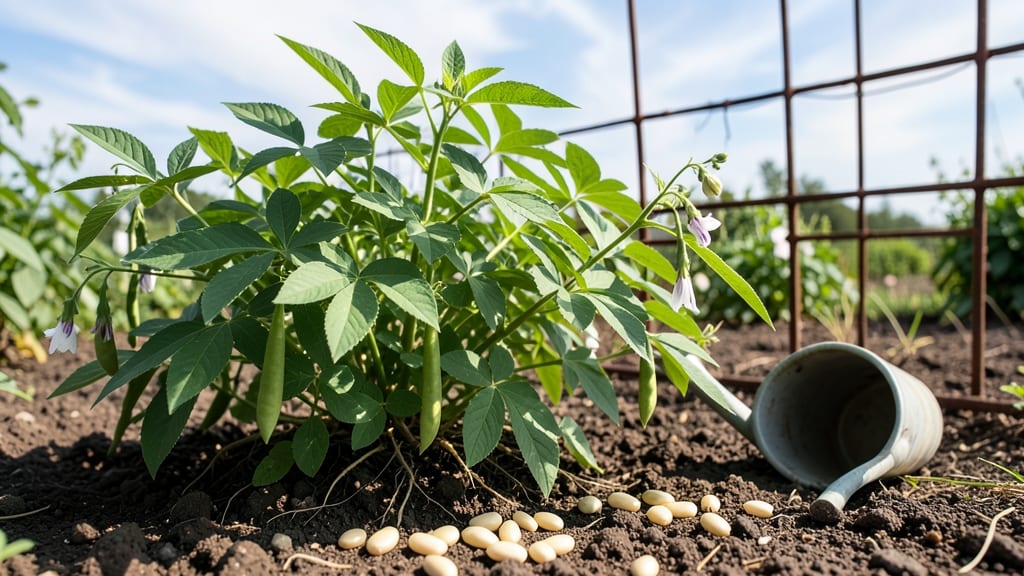
Getting the bean planting depth right is the first step to a bountiful harvest—too shallow, and your seeds won’t sprout; too deep, and they’ll rot before they even wake up.
Planting beans at the wrong depth can mean the difference between a thriving harvest and wasted seeds—getting it right ensures faster germination and stronger plants.
Most gardeners assume "one inch" works for all beans, but soil type, seed size, and even your local climate play a role. In USDA Zone 6a, where spring soil can still be cool, planting just a little deeper can speed up germination when temperatures dip.
Below, I’ll break down the exact depths for bush, pole, and runner beans, plus how to adjust for sandy or heavy soil so your seeds get the perfect start.
Optimal bean planting depth by variety (inches for best germination)
Getting the bean planting depth right is one of the easiest ways to ensure strong, healthy plants from the start. Unlike some vegetables that tolerate a range of depths, beans are sensitive to how deep their seeds are buried.
Plant too shallow, and they may dry out before germinating; too deep, and they struggle to push through the soil. The ideal planting depth varies slightly by variety, but most beans thrive when planted at 1 to 1.5 inches below the soil surface.
Soil temperature also plays a critical role in germination success. Beans need consistent soil temperatures of at least 60°F (15°C) to sprout reliably. If your soil is cooler, you might need to plant slightly deeper—around 1.5 inches—to protect seeds from temperature fluctuations near the surface.
Warmer soils, like those in late spring or early summer, allow for shallower planting at 1 inch without risking dryness.
One common mistake I see is adjusting planting depth based on seed size alone. While larger seeds (like runner beans) can handle slightly deeper planting, smaller seeds (such as bush beans) need precise depth to avoid germination issues.
Always measure from the top of the seed to the soil surface, not the bottom of the seed trench.
Let’s break down the exact planting depth guidelines for the most popular bean varieties—bush beans, pole beans, and runner beans—so you can tailor your approach to what you’re growing.
Here’s a quick reference for optimal planting depths:
<summary-table>For bush beans, which are compact and fast-growing, stick to 1 inch deep. Their smaller seeds benefit from shallower planting to ensure quick germination. If you’re planting in cool soil (below 60°F), increase depth to 1.25 inches to protect the seeds from temperature swings.
Bush beans also appreciate well-draining soil, so avoid heavy clay unless amended with compost.
When planting pole beans, which climb and produce for weeks, aim for 1 to 1.5 inches deep. Their slightly larger seeds can handle a bit more depth, especially if your soil is sandy or dry.
Pole beans thrive in warmer conditions, so if you’re in a short growing season, planting them slightly deeper (up to 1.5 inches) can help them establish roots faster before summer heat arrives.
Runner beans are the most forgiving in terms of depth, thanks to their large seeds, but they still need careful attention. Plant them 1.5 inches deep for best results, especially in cooler climates. These beans are heat-loving and prefer soil temperatures above 70°F (21°C). If your spring is chilly, consider using black plastic mulch to warm the soil before planting.
Another pro tip: Always plant beans in moist soil. Dry soil can cause seeds to shrink and fail to germinate, even at the correct depth. Water the soil thoroughly before planting, and keep it consistently moist (but not soggy) until germination occurs.
A light misting after planting helps settle the soil around the seeds without disturbing them.
If you’re planting in containers or raised beds, you can plant beans slightly shallower (0.75 to 1 inch) because the soil warms up faster in these environments. Just monitor moisture closely, as containers dry out quicker than in-ground plantings.
For direct sowing in gardens, use a small trowel or your finger to create holes at the exact depth, then cover gently with soil to avoid burying the seeds too deeply.
Finally, don’t forget that seed quality matters. Older seeds may require slightly deeper planting to compensate for reduced vigor. If you’re unsure about seed freshness, do a quick float test: Drop seeds in water.
If they sink, they’re viable; if they float, they’re likely too old to germinate. Fresh seeds from a reputable supplier will give you the best chance of success at the recommended depths.
With these planting depth guidelines and a little attention to soil conditions, you’ll be well on your way to a bountiful bean harvest. Happy planting! 🌱
How to adjust planting depth for different soil conditions
Your bean seeds need the right planting depth to thrive, but soil type dramatically changes what works. Sandy soil drains too quickly, while clay soil holds moisture like a sponge—both require adjustments to prevent rot or drought stress. Understanding these differences ensures your beans sprout reliably and grow strong.
For sandy soil, plant beans 1/2 inch deeper than the standard 1-inch depth. The extra soil helps retain moisture near the seeds, compensating for the soil’s fast-draining nature. In contrast, clay soil demands shallower planting—just 1/4 inch deeper than usual—to prevent waterlogging, which can suffocate young roots.
⚠️
Clay soil’s dense texture can trap moisture, leading to seed rot if planted too deep. For beans in clay, use a hand trowel to create loose furrows only 1/2 inch deep, then cover lightly with compost to improve drainage.
🌱 Pro Tip: Mix in perlite or vermiculite to break up compacted clay before planting.
In drought-prone areas, consider planting beans 1/2 inch deeper than usual to access moisture from lower soil layers. This works best for bush beans, whose roots are less extensive. Pair this with a 2-inch layer of mulch to lock in soil moisture and regulate temperature.
For container gardening, use a well-draining potting mix and plant seeds at the standard 1-inch depth. Containers dry out faster, so add water-retaining crystals to the soil mix. If your pots lack drainage holes, reduce depth to 1/2 inch to avoid soggy roots.
Always test your soil’s moisture retention before planting. Dig a small hole, add water, and observe how quickly it drains. Fast drainage? Plant deeper. Slow drainage? Plant shallower and amend the soil with organic matter. Your beans will thank you with faster germination and healthier growth!
💧 Key Takeaway: Adjust planting depth by soil type—deeper for sand, shallower for clay—and always prioritize moisture balance over rigid rules. Happy planting!