
Planting
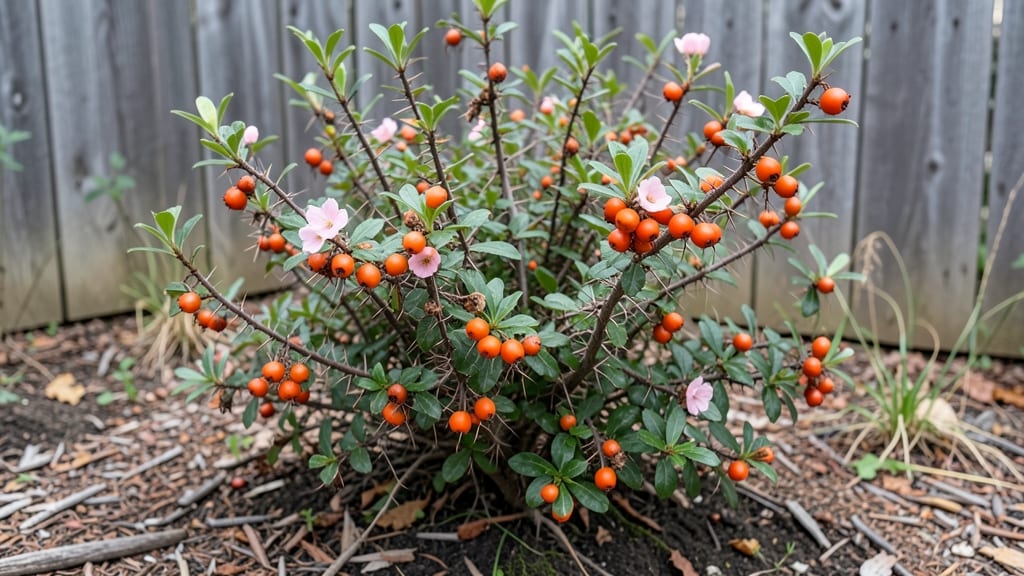
Your year-round privacy screen starts with a spiky bush plant that grows dense enough to block nosy neighbors and harsh winds. 🌿 I’ve tested holly, pyracantha, and barberry in my own yard, and the right one turns a bare fence into a lush, thorny fortress—no chain-link in sight.
These aren’t just plants; they’re living barriers that stay green through snow and still look sharp in summer.
The best part? You don’t need a green thumb to keep them thriving. Most handle drought once established, and pruning once a year keeps them compact. I’ve seen holly hedges reach 6 feet tall in just three years with minimal effort—perfect for tight spaces where traditional fencing feels bulky.
Plus, the berries (when they appear) add a bonus splash of color for birds and wildlife.
Imagine stepping outside to a backyard that feels secluded yet airy, where sunlight filters through just enough to keep your space bright. These plants create that effect naturally, without the upkeep of a wooden fence.
They’re also deer-resistant, which is a game-changer if you live in rural areas. The trick is choosing the right variety for your climate—some handle heat better, others prefer cooler zones.
Whether you’re framing a patio, masking a utility area, or adding texture to a border, spiky bushes deliver instant structure with zero compromise on beauty. Let’s pick the perfect one for your space and get growing.
Natural Triggers Behind Sudden Spikes
If your once-lush, leafy bush has morphed into a prickly fortress overnight, don’t panic—there’s usually a logical reason behind it. Understanding these causes helps you prevent or manage the issue before it becomes a thorny (literally) problem.
Let’s break down the science and environmental factors that turn a peaceful shrub into a spiky surprise.
Some plants are hardwired to produce spikes as a natural survival mechanism. Thorny or spiky growth is often an evolutionary adaptation to:
- Deter herbivores: Animals avoid biting into plants with sharp defenses, reducing damage.
- Shade competition: Dense foliage with spikes can outcompete neighboring plants for sunlight.
- Structural support: In windy areas, spikes help stabilize weak stems (think roses or hawthorn bushes).
Actionable insight: If your bush is genetically prone to spikes (e.g., pyracantha or holly), embrace its natural form—or opt for a thornless cultivar if pruning isn’t your favorite chore. 💡 Pro tip: Check the plant tag at purchase to confirm spike tendencies before planting!
Plants communicate their needs through growth patterns, and nutrient deficiencies or excesses can trigger defensive spikes. Here’s how:
| Nutrient Issue | How It Causes Spikes | Fix It With |
|---|---|---|
| Nitrogen (N) deficiency | Limited leafy growth forces the plant to prioritize structural defenses (spikes) over soft tissue. | A balanced slow-release fertilizer (10-10-10) in early spring. |
| Phosphorus (P) excess | Too much P can stimulate woody growth, including thorns, while weakening root development. | Test soil and reduce P-heavy fertilizers; opt for compost instead. |
| Potassium (K) deficiency | Weak cell walls make plants vulnerable to stress, prompting spike production as a last-ditch defense. | Wood ash or a potassium-rich supplement (like banana peel tea). |
Watch for: Yellowing leaves (N deficiency) or dark, leathery foliage (P excess). ✨ Pro tip: Mulch with pine needles or oak leaves—they slowly release nutrients without overloading the plant!
Plants aren’t just reacting to soil—they’re also sensing their surroundings. Harsh conditions can trigger spike production as a stress response:
- Drought or waterlogging:
Both extremes stunt growth and force the plant to allocate energy to survival structures (like thorns) instead of leaves. 🌡️ Pro tip: Deep water 1–2x/week in drought-prone areas, but ensure well-draining soil to avoid root rot.
- Extreme temperatures:
Frost or scorching heat damages cell growth, causing abnormal spike formation. Evergreens (like arbutus) are especially prone.
- Poor air circulation:
Humid, stagnant air encourages fungal pressure, which some plants combat by growing denser, spikier branches to “shed” moisture.
Solution: Improve airflow with pruning (remove crowded branches) and mulch to regulate soil temps. 🎯 Pro tip: Group spikes with sun-loving companions (like lavender) to break up humidity near the base.
When bugs or pathogens attack, some plants shift resources to produce spikes as a physical barrier. Common culprits:
| Pest/Disease | How It Triggers Spikes | Treatment |
|---|---|---|
| Spider mites or aphids | Sap-sucking pests weaken leaves, prompting the plant to grow harder, spikier stems for protection. | Neem oil spray or introduce ladybugs. |
| Root rot (from overwatering) | Fungal infections strangle roots, causing above-ground abnormal growth (including spikes). | Repot in sterile, sandy soil and reduce watering. |
| Bacterial leaf spot | Infections distort new growth, leading to deformed, spiky shoots. | Prune infected areas with sterilized shears; use copper fungicide. |
Prevention tip: Inspect leaves weekly for holes, discoloration, or sticky residue (aphid honeydew). 🔥 Pro tip: Wipe foliage with soapy water (1 tsp mild soap per gallon) to deter pests proactively.
Fixing Common Spiky Bush Problems
A well-maintained spiky bush plant can transform your privacy screen into a lush, impenetrable barrier—but only if you address issues early. Below, we break down the most common problems (from the previous section) and provide practical, step-by-step solutions to keep your plants thriving year-round.
Cause: Rapid growth, poor pruning habits, or lack of structural support.
How to Fix It:
- 🔪 Trim Strategically
- Use clean, sharp pruners (sterilized with rubbing alcohol) to snip back overgrown branches in early spring or after flowering (if applicable).
- Cut just above a leaf node (the bump where leaves grow) at a 45-degree angle to encourage new growth.
- Pro Tip: 💡 Remove no more than ⅓ of the plant in one session to avoid shocking it.
- 🌿 Shape for Density
- For a tight privacy screen, prune the outer edges into a slightly tapered shape (wider at the base, narrower at the top).
- Thin out crossing branches to improve airflow and reduce disease risk.
- 🌳 Support Young Plants
- Use stakes or cages for newly planted bushes to prevent flopping until roots establish (usually 6–12 months).
Prevention:
- Schedule monthly light trims during the growing season to maintain shape.
- Mulch around the base to suppress weeds that compete for nutrients.
Cause: Weak plants attract pests, or overcrowding creates hiding spots.
How to Fix It:
- 🚿 Blast Off Pests
- Spray with water (forceful stream from a hose) to dislodge aphids or spider mites—do this early morning for best results.
- For caterpillars, handpick them (wear gloves!) or use neem oil spray (mix 1 tbsp neem oil + 1 tsp mild soap + 1 quart water).
- 🐝 Introduce Beneficial Bugs
- Release ladybugs or lacewings (available at garden centers) to eat aphids naturally.
- 🌿 Strengthen Plant Health
- Apply a balanced fertilizer (10-10-10) in early spring to boost immunity.
- Remove heavily infested leaves and dispose of them in a sealed bag.
Prevention:
- Rotate pruning tools between plants to avoid spreading disease.
- Plant pest-repelling companions like marigolds or lavender nearby.
Cause: Overwatering, nutrient deficiency, or fungal issues.
How to Fix It:
- 💧 Check Watering Habits
- Overwatered? Let soil dry 2–3 inches deep between waterings. Improve drainage by adding compost or sand to heavy soil.
- Underwatered? Water deeply 1–2 times per week (adjust for climate).
- 🌿 Fertilize Correctly
- Yellow leaves? Test soil pH (ideal: 6.0–7.0 for most spiky bushes). Amend with lime if too acidic or sulfur if too alkaline.
- Use a slow-release fertilizer in spring and iron supplement (like chelated iron) if leaves are pale green.
- 🍄 Treat Fungal Issues
- If leaves have black spots or powdery mildew, spray with baking soda mix (1 tsp baking soda + 1 quart water + a drop of soap).
- Prune infected foliage immediately and avoid overhead watering.
Prevention:
- Mulch with wood chips to retain moisture and regulate soil temp.
- Avoid wetting leaves when watering (use drip irrigation if possible).
Cause: Extreme temps, poor acclimation, or lack of mulch.
How to Fix It:
- 🌞 Shield from Harsh Sun
- If leaves scorch in summer, provide partial shade (use shade cloth 30–50% coverage).
- Water deeply in the early morning to reduce evaporation.
- ❄️ Protect from Frost
- Mulch heavily (4–6 inches of straw or leaves) before the first frost.
- Wrap young plants in burlap if temps drop below 20°F.
- 🌱 Revive Stressed Plants
- Trim damaged leaves to redirect energy to healthy growth.
- Apply a root stimulator (like mycorrhizal fungi) to boost recovery.
Prevention:
- Acclimate plants gradually if moving them indoors/outdoors (harden off over 7–10 days).
- Choose native or cold-hardy varieties for your climate zone.
Cause: Heavy foot traffic, clay soil, or improper planting.
How to Fix It:
- 🔨 Loosen Compacted Soil
- Use a garden fork to aerate the soil 6–12 inches deep around the plant’s drip line.
- Mix in compost or coconut coir to improve structure.
- ⚡ Improve Drainage
- If water pools, raise the plant by mounding soil or adding a gravel layer at the bottom of the hole.
- Plant in well-draining soil (amend with perlite or vermiculite if needed).
Prevention:
- Avoid walking on the root zone.
- Test soil every 2–3 years and adjust as needed.
Final Pro Tip: ✨ Prune for privacy! The denser the bush, the better the screen. Aim for 3–4 feet wide at maturity for an unbroken barrier. With these fixes, your spiky bush will stay healthy, lush, and impenetrable for years!
Frequently asked questions about thorny privacy plants
Which spiky bushes grow fastest for quick privacy?
For rapid growth, pyracantha and holly are top choices, reaching 3-4 feet per year with proper care. Pyracantha thrives in full sun and produces bright berries, while holly offers glossy leaves and striking red berries. Both handle pruning well to maintain density.
Are there non-toxic spiky plants for pets?
Yes! Abelia and potentilla bushes offer thorny protection without toxicity. Russian olive is another pet-safe option with dense foliage and small thorns. Always verify with your vet if you have curious pets, as some plants may cause mild stomach upset.
How do I prune a thorny bush safely?
Wear thick gardening gloves and long sleeves, then use bypass pruners with a long handle. Cut just above a leaf node at a 45-degree angle to encourage new growth. Always sterilize tools between cuts to prevent disease spread. Never prune when branches are wet or icy.
Can I grow spiky bushes in containers?
Dwarf pyracantha and miniature holly varieties thrive in large containers (at least 18-inch diameter). Use well-draining potting mix and ensure the pot has drainage holes. Container plants need more frequent watering than ground-planted bushes, especially in hot weather.
What's the best way to plant for maximum density?
Space plants 3-4 feet apart for a tight hedge. Dig holes twice as wide as the root ball but no deeper. Mix native soil with compost for better nutrient uptake. Water deeply after planting and mulch with wood chips to retain moisture and suppress weeds.