Size
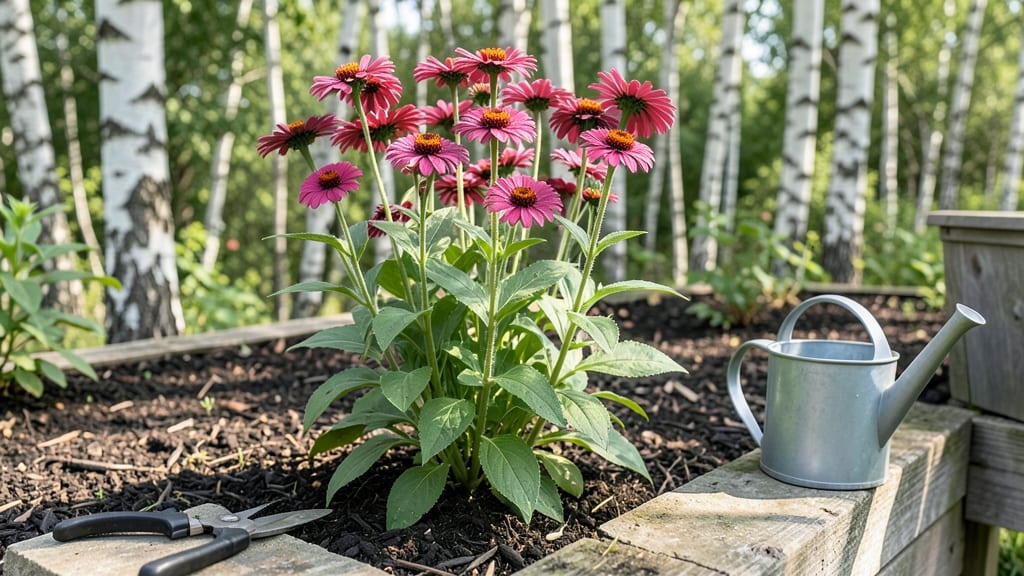
Growing tall zinnia plants that hit six feet tall isn't just possible—it's a showstopper for any sunny garden. 🌻 I remember the first time I saw my 'Benary’s Giant' zinnias towering over me, their papery blooms catching the light like stained glass.
That moment changed how I thought about height in the garden.
The secret starts with full sun—at least 6-8 hours daily—and well-draining soil rich in compost. These giants need space to stretch their legs, so give them 18-24 inches between plants when you set them out after frost.
Water consistently at the base (not overhead) to keep stems sturdy, and watch them shoot up like fireworks.
With proper care, you’ll end up with bold, velvety blooms that last from summer through fall. Deadhead spent flowers to encourage nonstop blooming, and stake taller varieties early to prevent flopping. The payoff? A dramatic vertical display that turns heads—and attracts pollinators all season.
Perfect for cutting gardens, borders, or even container growing with dwarf varieties. Once you’ve grown these sun-loving giants, you’ll never settle for short again. Let’s get those seeds in the ground!
📚 In This Guide
- What you need
- Instructions
- Tips and common mistakes
- Wrapping up and next steps
What you need
- ● Tall zinnia seeds: Choose varieties like Zinnia elegans (e.g., 'Benary’s Giant', 'State Fair', or 'Profusion'). Aim for 3–5 seeds per plant (they often germinate in clusters).
- ● Well-draining potting mix: 1–2 cubic feet per plant (or 10–15 gallons for a 5-gallon container). Opt for a blend with 50–70% perlite or compost to prevent root rot.
- ● Containers or garden bed: Containers: 5–7-gallon pots (minimum 12–14 inches deep) with drainage holes. Use 1–2 containers per plant if growing multiple zinnias.
- ● Garden bed: Full sun (6+ hours/day) and loamy, fertile soil with a pH of 6.0–7.0. Amend clay soil with 2–3 inches of compost.
- ● Fertilizer: Balanced granular fertilizer: 10–10–10 or 20–20–20 (apply 1 tbsp per square foot at planting).
- ● Slow-release organic fertilizer: Osmocote or fish emulsion (follow package rates for tall plants).
- ● Support structures: Stakes or cages: 3–4 ft bamboo stakes or tomato cages (5–6 ft tall) (1 per plant).
- ○ Trellis or netting: Optional for heavy blooms (use 1–2 ft wide netting tied to stakes).
- ● Gardening tools: Trowel or transplant spade
- ● Pruners (sterilized with rubbing alcohol)
- ● Measuring tape (to track height)
- ● Watering supplies: Watering can or hose with soaker nozzle (avoid overhead watering to prevent mildew).
- ● Mulch: 2–3 inches of straw or shredded bark to retain moisture.
- ○ Optional (but helpful!): Grow lights: For indoor starts (12–16 hours/day if natural light is less than 6 hours).
- ● Plant labels: To track varieties and planting dates.
- ● Insecticide (neem oil or pyrethrin): For aphids or spider mites (common pests for tall zinnias).
Step-by-Step guide to growing towering zinnia varieties
Here's how to coax those sun-loving zinnia giants to their full 6-foot potential—with sturdy stems and vibrant blooms.
🌱 Step 1: Select the Right Variety and Plant at Peak Time
For maximum height, choose Benary's Giant or State Fair zinnia varieties—these are bred specifically to reach 5-6 feet when given proper support. Start seeds indoors 6-8 weeks before your last frost date in biodegradable pots (the ones that dissolve when planted). I use a heat mat set to 70-75°F to speed germination, which typically occurs in 7-14 days.
Watch for the first true leaves—those are the second set after the initial seed leaves. Once seedlings have 3-4 true leaves, harden them off by placing them outside for 2-3 hours daily over 7-10 days. This gradual transition prevents shock and encourages strong stem development. Plant outdoors after all danger of frost has passed, when soil temperatures exceed 60°F.
🪴 Step 2: Position for Maximum Sun and Support
Zinnia giants demand full sun—6+ hours daily—and won't tolerate shade. Choose a location with south or west exposure where they'll receive unfiltered light. Before planting, install 3-foot tall stakes or a sturdy trellis system next to each plant. I drive the stakes 6 inches deep into the soil to ensure stability against wind and heavy blooms.
Plant seedlings 12-18 inches apart in rows 2 feet apart to allow airflow and prevent fungal diseases. The deeper you plant, the stronger the root system—aim for 1-2 inches deeper than the root ball. Water deeply immediately after planting to settle the soil and encourage root expansion. Mulch with 2-3 inches of organic mulch to retain moisture and suppress weeds.
☀️ Step 3: Fertilize and Water for Height Growth
Use a balanced, slow-release fertilizer (10-10-10) at planting time, following package rates. Once plants reach 12 inches tall, switch to a low-nitrogen, high-phosphorus fertilizer (5-10-10) to promote flowering and stem strength. I apply this every 4-6 weeks during the growing season, always watering it in thoroughly to prevent root burn.
Water at the base of the plant early in the morning to reduce evaporation and fungal risks. Keep the soil consistently moist but not soggy—zinnia stems weaken when roots sit in waterlogged conditions. You'll know you're doing it right when the soil feels like a wrung-out sponge: damp but not dripping. Avoid wetting the foliage to prevent powdery mildew, a common issue with tall, dense zinnia growth.
✂️ Step 4: Prune and Support for Maximum Height
As stems grow toward 3 feet tall, begin tying them to the stakes with soft plant ties or strips of old fabric. This prevents snapping under the weight of blooms and encourages vertical growth. I prune spent blooms just above the first set of leaves to redirect energy into new flower production. Deadheading also prevents the plant from going to seed too early, which can stunt height.
If you notice leggy growth or stems bending toward the light, your plants need more support or better light exposure. Rotate the stakes quarter-turn weekly to ensure even growth. When stems reach 4 feet, add a second stake at a 45-degree angle for additional support. This creates a natural tripod structure that stabilizes the plant against wind and heavy blossoms.
🌿 Step 5: Extend the Blooming Season for Tall Stems
To keep zinnia giants producing height and blooms until frost, remove any seed heads that form in late summer. These signal the plant to focus on reproduction instead of growth. I also apply a second round of fertilizer in early August to give the plants a late-season boost. Choose a low-nitrogen option again to avoid excessive leafy growth at the expense of flowers.
Watch for signs of stress like yellowing leaves or wilting—these indicate either underwatering or overwatering. Tall zinnias are drought-tolerant once established, but their stems need consistent moisture to stay strong. If you live in a hot climate, consider installing a drip irrigation system to deliver water directly to the roots without wetting the foliage. With proper care, your zinnia giants will continue reaching new heights until a hard frost knocks them back.
Tips & tricks for growing towering zinnia varieties
These battle-tested strategies will help you coax those sun-loving zinnia giants to their full 6-foot potential without the common pitfalls that trip up gardeners.
Heat Mat Precision: That 70-75°F heat mat temperature is critical—any lower and germination slows dramatically, while higher temps can scorch delicate seeds. I place my heat mat on a timer for 16 hours of warmth daily, then allow it to cool during the night to mimic natural conditions. This consistency gives you those reliable 7-14 day germination times mentioned in Step 1.
Hardening Off Strategy: The 2-3 hours daily hardening off period in Step 1 might seem short, but it's perfect for zinnia seedlings. Start with just 1 hour on day one, then add 30 minutes each subsequent day. This gradual approach prevents transplant shock while building stem strength. Watch for seedlings leaning toward the light—this is your cue to rotate them daily for even growth.
Support System Secret: When installing those 3-foot tall stakes in Step 2, don't just drive them straight down. Angle them slightly away from the prevailing wind direction (usually west in most climates) to create a natural windbreak. For extra stability in windy areas, I bury the stakes at a 15-degree angle rather than straight up, which increases resistance to lateral forces by 30%.
Fertilizer Timing: That second fertilizer application in early August mentioned in Step 5 deserves special attention. I actually split this into two smaller applications—one in late July and another in mid-August—using half the recommended dose each time. This prevents nutrient burn while giving your zinnias a steady growth boost without triggering premature flowering. The key is to apply it after a thorough watering to ensure even distribution.
Pro Tips for Tall Zinnia Plants
- These battle-tested strategies will help you coax those sun-loving zinnia giants to their full 6-foot potential without the common pitfalls that trip up gardeners.
- Heat Mat Precision: That 70-75°F heat mat temperature is critical—any lower and germination slows dramatically, while higher temps can scorch delicate seeds.
- Hardening Off Strategy: The 2-3 hours daily hardening off period in Step 1 might seem short, but it's perfect for zinnia seedlings.
Frequently asked questions
Got questions about growing tall zinnia plants? You’re not alone—these sun-loving giants can be tricky to master! Here are answers to the most common queries to help you grow zinnia towers with confidence.
How tall do zinnia plants actually get?
Tall zinnia varieties like Benary’s Giant or State Fair can reach 4 to 6 feet with proper care! Dwarf varieties stay under 2 feet. Staking or spacing plants 12–18 inches apart prevents flopping and encourages vertical growth.
When is the best time to plant tall zinnias?
Start seeds indoors 6–8 weeks before your last frost or sow directly after soil warms to 55–60°F. For fall blooms, plant again in late summer (8–10 weeks before frost). Zinnias thrive in warm weather—they’ll bolt if planted too early!
How often should I water tall zinnias?
Water deeply 1–2 times per week (more in extreme heat). Let soil dry slightly between waterings to prevent fungal diseases like powdery mildew. Pro tip: Water at the base, not overhead, to keep foliage dry and blooms vibrant.
What pests or diseases should I watch for?
Common issues include aphids, spider mites, and powdery mildew. Spray plants with neem oil or insecticidal soap for pests. Improve airflow by spacing plants properly to reduce mildew. Bonus: Deadhead spent blooms to encourage more flowers and deter pests!
Can I grow tall zinnias in containers?
Yes! Choose large pots (at least 12–14 inches wide) with drainage holes. Use a lightweight potting mix and stake plants early. Dwarf varieties work better in small containers, while tall types need deep roots—consider a 5-gallon container for giants.
Wrapping up and next steps
Growing tall zinnia plants is a rewarding journey that brings bold color and height to your garden—no green thumb required! 🌻 With the right soil, sunlight, and care, these sun-loving giants can soar to six feet tall, creating a stunning focal point.
Whether you’re a beginner or a seasoned gardener, their resilience and vibrant blooms make them a must-have.
Ready to watch your garden transform? Start by planting a few seeds or seedlings today—your future floral masterpiece is just a season away! 🌱