
Planting
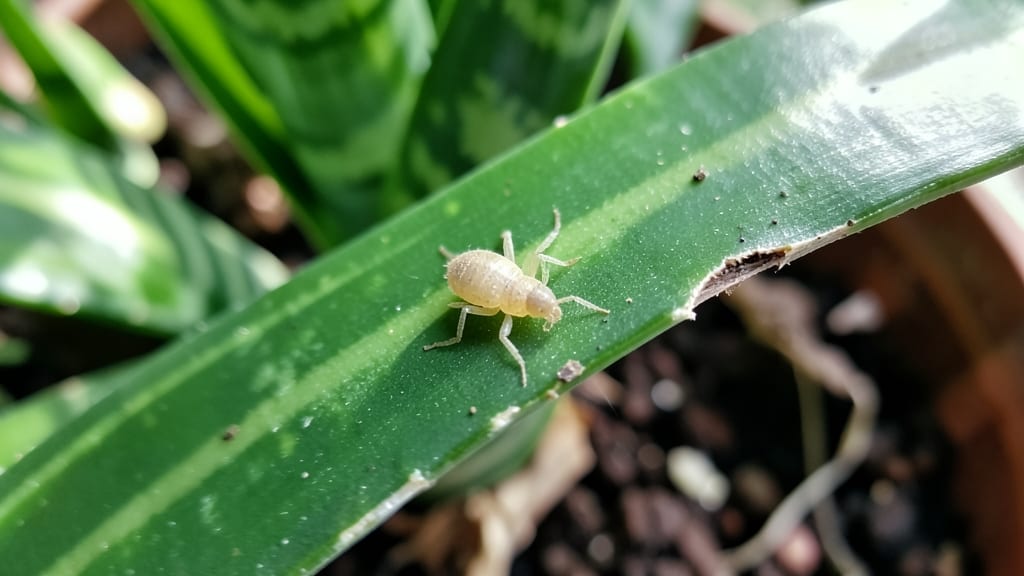
This snake tree plant (Dracaena trifasciata) grows roots so fast you’ll see them thicken within weeks—whether you root it in water or soil. 🌱 I’ve watched mine double in size in just two months, and the secret isn’t complicated. it thrives on neglect, not attention.
The key is understanding its natural rhythm—when to water, how much light it craves, and why overwatering is its biggest enemy.
You’ll need minimal supplies: a pot with drainage (or a jar for water propagation), well-draining soil, and a bright corner that isn’t direct sunlight. Snake plants tolerate low light better than most, but they reward you with bold, upright growth when given a few hours of indirect sun daily.
The roots? They spread aggressively in water or soil, making propagation effortless—just snip a leaf cutting and watch it root in 2-4 weeks.
What you’ll end up with is a hardy, low-maintenance plant that purifies the air while adding striking vertical interest to any space. Mine now towers over my bookshelf, and the dark green stripes against lighter foliage create a dramatic focal point.
The best part? Even when you forget to water it, it forgives you—unlike most houseplants.
Works equally well in containers, hanging baskets, or as a floor plant, and adapts to offices, bathrooms, or sunny windows. Here’s how to keep yours thriving without the guesswork—whether you’re a beginner or a plant parent looking to speed up propagation.
📚 In This Guide
- What you need
- Instructions
- Tips and common mistakes
- Wrapping up and next steps
What you need
- ● Snake plant cuttings: 4–6 healthy, 4–6 inch stems (ensure they have at least 2–3 leaves and a node for rooting).
- ● Water propagation: 1 clear glass or jar (8–12 oz, wide-mouth preferred for airflow).
- ● Room-temperature water (filtered or distilled, if possible).
- ● Soil propagation: 1 small pot (4–6 inches in diameter) with drainage holes.
- ● Well-draining potting mix (cactus/succulent blend or 50% perlite + 50% peat moss).
- ● Basic tools: Sharp pruning shears or scissors (sterilized with rubbing alcohol).
- ○ Rooting hormone (optional but recommended for soil propagation).
- ● Spray bottle (for misting soil).
- ● Gravel or pebbles (for water propagation to prevent rot).
- ● Humidity dome or plastic bag (to retain moisture during soil rooting).
- ● Grow lights (if natural light is <10 hours/day).
- ● pH test kit (to monitor water/soil acidity, ideal pH: 6.0–6.5).
How to grow a snake plant for rapid root development
Here's the quick, no-fuss method I use to coax strong roots in snake plants—whether you're rooting in water or soil.
🌱 Step 1: Select and Prepare Your Snake Plant Cuttings
Snake plants thrive from healthy leaf cuttings. Choose mature leaves that are at least 6 inches long and free of brown spots or damage. Use a sharp knife to make a clean cut at a 45-degree angle—this gives you more surface area for roots to sprout.
Let the cuttings dry for 1-2 hours before planting. This callusing step prevents rot when they hit water or soil. Place them on a clean paper towel in a warm, shaded spot while you prepare the growing medium.
💧 Step 2: Choose Your Rooting Method (Water or Soil)
For fastest root growth, water rooting works best. Fill a clear glass with room-temperature water—just enough to cover the bottom 1-2 inches of the cutting. Change the water every 3-4 days to prevent bacterial growth. You'll see tiny roots forming within 2-3 weeks.
If you prefer soil, use the 2 gallons of potting mix you've prepared. Moisten it until damp but not soggy—snake plants hate waterlogged roots. Make a small hole with your finger and insert the cutting until half its length is buried. Gently press the soil around it to secure it.
☀️ Step 3: Provide Ideal Light and Humidity
Place your cuttings in bright, indirect light—think east-facing window or 4-6 feet from a south window. Direct sun will scorch the leaves, while too little light slows root growth. You'll know the light is right when the leaves stay deep green without yellowing.
Snake plants tolerate low humidity, but a clear plastic bag over the pot or glass speeds up rooting. Remove the bag for 10 minutes daily to prevent mold. In 2-3 weeks, you'll see new roots emerge—check by gently tugging the cutting (resistance means roots are forming).
🪴 Step 4: Transition to Soil (If Water-Rooted)
Once roots reach 2-3 inches long, it's time to plant in soil. Fill a 6-inch pot with the 2 gallons of potting mix and dig a hole slightly larger than the root ball. Gently remove the cutting from water, let excess moisture drain, then place it in the hole.
Press the soil lightly around the base to stabilize the plant. Water lightly to settle the soil, but don’t drown it—snake plants store water in their leaves and prefer dry spells between waterings. Place it in medium light for a week to help it adjust.
⏰ Step 5: Maintain for Fast, Healthy Growth
Water your snake plant only when the top 2 inches of soil feel dry—this usually means every 2-3 weeks. Overwatering is the #1 killer of snake plants, so err on the side of too little. You'll know it's thirsty when the leaves start to pucker slightly at the edges.
After 4-6 weeks, your snake plant will be ready for a larger pot or garden spot. You'll see new growth at the base, and the roots will have filled the pot. This hardy plant rewards patience—once established, it thrives with minimal care and grows fast once it gets comfortable.
Tips & tricks for rapid snake plant root growth
Here's what I've learned to speed up root development without the guesswork—these tricks cut down on waiting time while keeping your cuttings happy.
Cutting Angle Matters: That 45-degree angle in Step 1 isn't just for looks—it creates more surface area for roots to emerge. I've tried straight cuts before, and they always took longer to root. Use a sharp knife to avoid crushing the leaf, which can introduce bacteria. For extra speed, make sure your cuttings are at least 6 inches long—the longer the leaf, the faster roots appear.
Water Quality Tip: When rooting in water (Step 2), use filtered or bottled water if possible. Tap water with chlorine can slow root growth or even cause browning. I change the water every 3-4 days as instructed, but if you notice cloudiness or algae, refresh it sooner. Room temperature is key—cold water shocks the cutting and delays root formation.
Light Positioning Secret: Bright indirect light in Step 3 is crucial, but placement matters more than you'd think. East-facing windows are ideal because morning sun is gentle. If you only have south-facing light, position your cuttings 4-6 feet away to prevent scorching. I've seen leaves yellow from too much direct sun—watch for that deep green color to stay vibrant.
Humidity Hack: The plastic bag trick in Step 3 works wonders, but here's a pro move: Add a few drops of water to the bag daily to increase humidity without making it soggy. This mimics the tropical conditions snake plants love. Just remember to remove the bag for 10 minutes daily to prevent mold—condensation buildup is the enemy of healthy rooting.
Pro Tips for Snake Tree Plant
- Here's what I've learned to speed up root development without the guesswork—these tricks cut down on waiting time while keeping your cuttings happy.
- Cutting Angle Matters: That 45-degree angle in Step 1 isn't just for looks—it creates more surface area for roots to emerge.
- Water Quality Tip: When rooting in water (Step 2), use filtered or bottled water if possible.
Frequently asked questions
Can a snake plant grow roots in water like a pothos or money plant?
A snake tree plant can technically grow roots in water, but it’s not ideal for long-term health. While it may survive with roots submerged for a few weeks, it’s prone to rot due to its thick, succulent leaves. For best results, use the soil method or a well-draining mix with minimal water exposure. If propagating in water, transfer to soil within 4–6 weeks.
How long does it take for a snake plant cutting to root in soil?
With proper care, a snake tree plant cutting can root in soil within 4–8 weeks. Factors like temperature (70–90°F), humidity, and indirect light speed up the process. Avoid overwatering—let the soil dry out completely between waterings. Patience is key! Some cuttings may take longer, especially in cooler conditions.
Why is my snake plant’s new growth turning yellow or mushy?
Yellow or mushy leaves on new growth usually signal overwatering or root rot. Snake plants store water in their leaves, so they prefer dry conditions. Check the soil—if it’s soggy, reduce watering and ensure the pot has drainage holes. If rot has set in, trim the affected parts with clean scissors and repot in fresh, dry soil.
Are there alternatives to snake plants for fast root growth?
Yes! If you love low-maintenance, fast-rooting plants, consider these options:
- Pothos (Epipremnum aureum) – Thrives in water or soil, roots quickly.
- ZZ Plant (Zamioculcas zamiifolia) – Drought-tolerant with sturdy roots.
- Spider Plant (Chlorophytum comosum) – Easy to propagate in water or soil.
- Cast Iron Plant (Aspidistra elatior) – Nearly indestructible and fast-growing.
What should I do if my snake plant cutting isn’t rooting after 2 months?
Don’t panic! If your cutting isn’t rooting after 8 weeks, try these troubleshooting steps:
- Check humidity: Mist the leaves or use a humidity dome.
- Adjust light: Move to bright, indirect light (no direct sun).
- Test the soil: Ensure it’s moist but not waterlogged.
- Try a rooting hormone to encourage growth.
- Start fresh: If all else fails, take a new cutting from a healthy leaf.
Wrapping up and next steps
The snake plantis a resilient, low-maintenance superstar for both beginners and plant enthusiasts! With its ability to thrive in water or soil, it’s the perfect addition to your indoor jungle—whether you’re chasing fast root growth or just love its striking foliage. 🌱
Ready to give it a try? Start by gathering your supplies, pick your preferred growing method, and watch your snake plant flourish! Happy planting—your green thumb is about to level up! 🚀