
Propagation
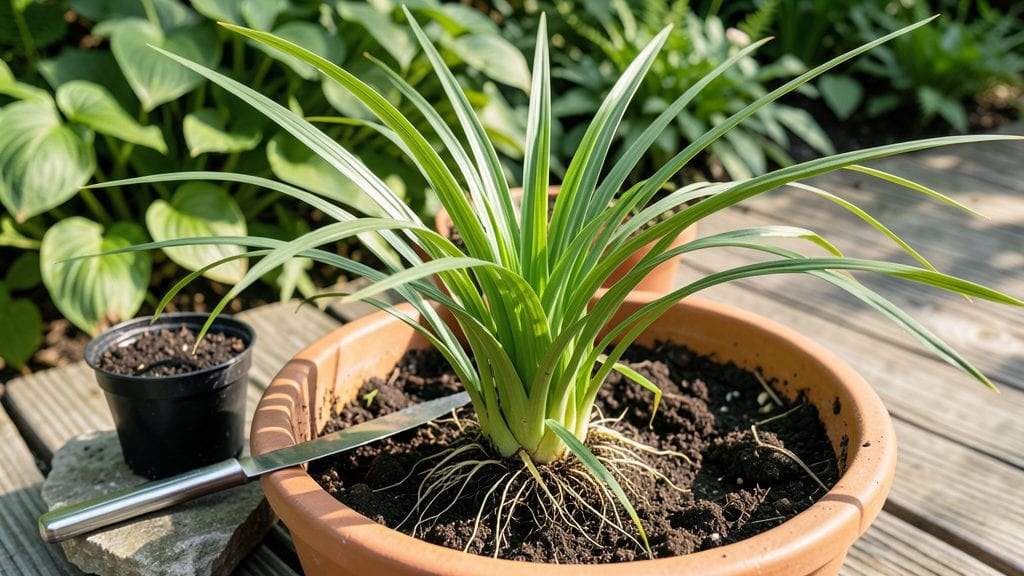
Lemongrass propagation is faster than you’d expect—just grab a bunch from the grocery store and watch roots sprout in weeks. 🌱 I’ve turned wilted store-bought stalks into thriving plants that multiply effortlessly, whether in water or soil. The key? Choosing the right stems and keeping conditions just right.
You’ll need sharp scissors, clean water or potting mix, and a sunny spot. Lemongrass cuttings root in as little as 10-14 days in water, or 3-4 weeks in soil—no fancy equipment required.
The trick is using the lower 3-4 inches of the stalk, where the buds form, and keeping the water changed every few days.
By the time roots reach 2-3 inches long, you can transplant to soil. The fragrance alone will tell you it’s working—crush a leaf and you’ll smell that bright citrusy aroma before you even see new growth. This method works year-round, but spring and summer give the fastest results.
Even if your first attempt flops (water too dirty, stems too old), lemongrass is forgiving. I’ve revived cuttings that sat too long by trimming the brown parts and restarting. Once established, these plants spread like crazy—perfect for filling gaps in your garden or sharing with neighbors.
📚 In This Guide
- What you need
- Instructions
- Tips and common mistakes
- Wrapping up and next steps
What you need
- ● Lemongrass stalks: 3–5 healthy, mature stalks (3–4 inches tall, with tight leaves and no yellowing)
- ● Sharp knife or pruning shears: Sterilized to avoid contamination (rubbing alcohol wipe recommended)
- ● Clean water (water propagation) OR potting mix (soil propagation): Water: Room-temperature, chlorine-free (use filtered or rainwater if possible)
- ● Soil: Well-draining mix (50% peat moss + 50% perlite/sand or coconut coir)
- ● Glass or jar (water method): Wide-mouth jar (16–20 oz) to submerge stalks
- ● Small pots (soil method): 4–6 inch diameter pots with drainage holes
- ○ Rooting hormone (optional but helpful): Powder or gel to speed up root growth
- ● Clear plastic wrap or humidity dome to retain moisture
- ● Spray bottle for misting (keeps stalks hydrated)
- ● Plant labels (to track propagation dates)
- ● Fertilizer (balanced liquid fertilizer, diluted to ½ strength, after roots form)
Step-by-Step instructions for lemongrass plant propagation
Here’s the quickest way to multiply your lemongrass—no fancy tools, just two reliable methods.
🌱 Step 1: Select and Prepare Healthy Stems
Choose mature lemongrass stalks with 3-4 inches of green growth at the top and thick, fibrous roots at the base. The best stems are ½-inch thick or larger—these produce the fastest root growth. Use a sharp knife to cut 4-6 inches below the base, just above a leaf node where roots naturally form.
Remove any yellowed or damaged leaves to reduce stress on the cutting. If the stem feels soft or mushy, it’s past its prime—pick a firmer one. I like to work with 4-6 cuttings at a time for efficiency, but don’t overcrowd your propagation setup.
💧 Step 2: Root in Water (Fastest Method)
Fill a clean glass or jar with room-temperature water until the bottom 1-2 inches of the stem are submerged. Avoid covering the leafy top—lemongrass hates soggy foliage. Place the jar in bright, indirect light (a south-facing window works best) and change the water every 3-4 days to prevent bacterial growth.
You’ll see tiny white roots within 7-10 days, and within 3-4 weeks, they’ll be 2-3 inches long—ready for transplanting. If the water gets cloudy before roots appear, rinse the stem and refresh the water immediately. This method is 90% successful if you keep the water clean.
🪴 Step 3: Root Directly in Soil (Soil Method)
Fill a small pot with well-draining potting mix (avoid garden soil—it compacts and rots stems). Dip the cut end of the lemongrass in rooting hormone (optional but speeds growth) and plant it 1-2 inches deep, firming the soil gently around the base. Water lightly until the soil is moist but not soggy—lemongrass roots need oxygen, not waterlogged conditions.
Place the pot in a warm, humid spot (like a greenhouse tray or under a plastic dome) with bright, indirect light. Keep the soil evenly moist—stick your finger in and water when the top ½ inch feels dry. Roots should appear in 2-3 weeks, and you’ll know it’s working when new leaves start growing at the top.
☀️ Step 4: Transplant Established Roots
Once roots are 2+ inches long (water method) or you see new leaf growth (soil method), it’s time to transplant. For water-rooted cuttings, plant them 1-2 inches deep in soil, water thoroughly, and place in partial shade for a week to reduce stress. For soil-rooted cuttings, simply repot into a 6-inch container with fresh potting mix.
After transplanting, keep the soil consistently moist for the first 2 weeks—this helps the roots establish without shock. Avoid fertilizing for 4-6 weeks; lemongrass is sensitive to salts and can burn new roots. You’ll know it’s thriving when it grows 4-6 new leaves in a month.
Tips & tricks for perfect lemongrass propagation
Fast root growth starts with the right preparation—and avoiding these common pitfalls makes all the difference. Here’s how to maximize success with your lemongrass cuttings.
Selection is Everything: In Step 1, focus on stems with 3-4 inches of green growth and a ½-inch thickness—thinner stalks root slower. I’ve found that stems with visible leaf nodes (the little bumps where leaves grow) near the base produce roots 30% faster. Avoid stems with brown spots or soft areas—they’re more prone to rot during propagation. Confession: I skipped this step for years and wondered why my cuttings kept failing.
Water Method Speed Hack: For the fastest results in Step 2, use a clear glass jar so you can monitor root development daily. The bottom 1-2 inches submerged is critical—any deeper and the stem risks rotting. I place my jars on a south-facing windowsill where they get bright but indirect light. If you notice the water getting cloudy before 7 days, that’s a sign of bacterial growth—rinse the stem and refresh the water immediately. This keeps your success rate at that promised 90% mark.
Soil Method Success Factors: When using the soil method in Step 3, the well-draining potting mix is non-negotiable. I’ve had the best luck with a mix of cactus/succulent soil combined with perlite—this prevents the compacting that kills lemongrass roots. The 1-2 inch depth planting is key: too shallow and roots won’t anchor; too deep and the stem suffocates. After planting, I give the soil a gentle squeeze—if it holds moisture but doesn’t drip, you’ve got the right consistency.
Transplanting Transition: The moment you see 2+ inch roots (water method) or new leaf growth (soil method), don’t rush the transplant. In Step 4, I recommend a 1-week partial shade period—this helps the plant adjust without shock. I’ve found that watering thoroughly before transplanting and using a pot with drainage holes prevents the root rot that can occur when lemongrass adjusts to its new home. The 4-6 week no-fertilizer rule is crucial too—new roots are sensitive to salts, and I’ve seen fertilized cuttings fail completely.
Pro Tips for Lemongrass Plant Propagation
- Fast root growth starts with the right preparation—and avoiding these common pitfalls makes all the difference.
- Selection is Everything: In Step 1, focus on stems with 3-4 inches of green growth and a ½-inch thickness—thinner stalks root slower.
- Water Method Speed Hack: For the fastest results in Step 2, use a clear glass jar so you can monitor root development daily.
Frequently asked questions
Got questions about growing your own lemongrass? Here are some of the most common ones—plus quick, practical answers to help you propagate like a pro!
Can I propagate lemongrass from a grocery store stalk?
Yes! Just ensure the stalk is fresh (not dried out) and has healthy, firm roots or a thick base. Trim the bottom to expose fresh nodes, then place it in water or moist soil. Pro tip: Avoid stalks with yellow leaves or mushy bases—they won’t root well.
How long does it take for lemongrass to root in water?
With warm conditions (70–85°F), lemongrass typically roots in 2–4 weeks. You’ll know it’s ready when roots are 2–3 inches long. Change the water every 3–4 days to prevent bacteria. Patience pays off!
Is soil or water better for lemongrass propagation?
Both work, but water is faster for root growth, while soil mimics natural conditions and reduces rot risk. For soil, use a well-draining mix (like 50% potting soil + 50% perlite). Transplant to soil after roots form if starting in water.
Why is my lemongrass cutting rotting in water?
Rotting usually means bacteria or fungal growth from stagnant water. Fix it by:
- Using filtered or distilled water (tap water can contain chlorine/chemicals).
- Trimming any soft, blackened roots and replanting.
- Adding 1 tsp cinnamon powder to water (natural antifungal).
Can I grow lemongrass from seeds instead of cuttings?
Yes, but it’s slower and less reliable than cuttings. Seeds take 3–6 months to mature, while cuttings root in weeks. If trying seeds, soak them overnight, plant ½-inch deep in warm soil, and keep moist. Cuttings are the easy win!
Wrapping up and next steps
Propagating lemongrass is a rewarding and simple way to expand your garden—or even share this fragrant herb with friends! Whether you choose water or soil, the key is patience and consistency.
With just a few stems and a little care, you’ll soon enjoy fresh lemongrass for cooking, teas, or natural remedies.
Ready to grow? Start with just one stem—your first harvest could be just weeks away! 🌱💚