Propagation
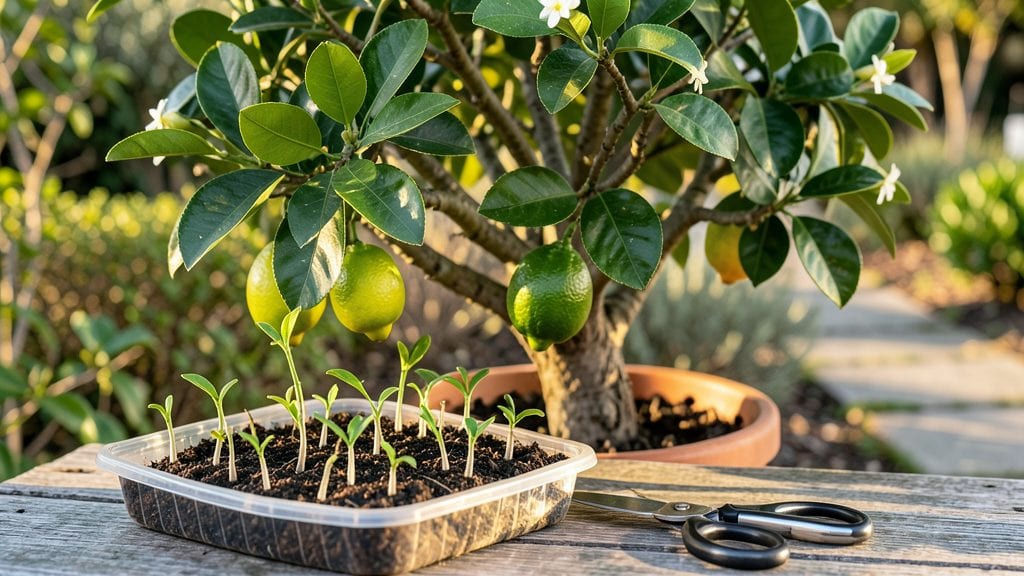
This lemon plant propagation method lets you grow a new tree in just 3-4 weeks—no seeds or grafting needed, and I’ve rooted cuttings using this easy soil trick. 🌱 the key is picking the right stem and keeping humidity high.
The first time I tried, I nearly gave up after two weeks of wilting, but adjusting my approach made all the difference.
You’ll need sharp pruners, rooting hormone (optional but helpful), a small pot with well-draining soil, and a plastic bag to trap moisture. The best time to take cuttings is late spring or early summer when your lemon tree is actively growing—those new, flexible stems root the easiest.
Most beginners overlook humidity control, which is where propagation fails. A simple plastic bag over the pot keeps roots happy until they establish.
Within 4-6 weeks, you’ll see new leaves unfurling as roots take hold, and by 8-10 weeks, your cutting will be ready to transplant. The best part? These young trees fruit faster than seed-grown ones, and you’ll have a backup plant if something happens to your original tree.
Just avoid overwatering—lemons hate soggy roots, and that’s the #1 reason cuttings rot before they grow.
This method works for Meyer lemons, Eureka, and even Meyer hybrids, though some varieties root faster than others. If you’re in a dry climate, try misting the cutting daily instead of relying on the bag.
Once rooted, give your new tree bright, indirect light and occasional fertilizer to keep it thriving. You’ll have a full-sized lemon plant in less than a year!
📚 In This Guide
- What you need
- Instructions
- Tips and common mistakes
- Wrapping up and next steps
What you need
- ● Mature lemon plant stem: A healthy, non-flowering, 4–6 inch (10–15 cm) cutting with at least 2–3 leaf nodes (avoid stems with flowers or fruit). Quantity: 1–3 cuttings per attempt.
- ● Sharp pruning shears or clean knife: Sterilized to prevent disease (rubbing alcohol wipe works!). Spec: Stainless steel preferred.
- ○ Rooting hormone (optional but recommended): Powder, gel, or liquid (e.g., Clonex or Rootone). Quantity: Small jar or packet.
- ● Well-draining potting mix: A blend of 50% perlite or sand and 50% peat moss or coco coir. Avoid garden soil—it retains too much moisture!
- ● Small pots or propagation tray: 4–6 inch (10–15 cm) diameter with drainage holes. Quantity: 1 per cutting.
- ● Clear plastic bag or humidity dome: To create a mini greenhouse effect. Size: Large enough to cover the pot.
- ● Spray bottle with water: For gentle misting (distilled or room-temperature water only).
- ● Twine or rubber bands: To secure the plastic bag in place.
- ● Warm, bright location: 70–80°F (21–27°C) with indirect sunlight (e.g., a sunny windowsill or grow light).
- ● Patience: Root growth takes 4–8 weeks—consistency is key!
- ● Clean workspace: Disinfect tools and surfaces to avoid fungal/bacterial infections.
- ● Grow light: LED or fluorescent for 12–14 hours/day if natural light is weak.
- ● Fertilizer (after rooting): Diluted seaweed or fish emulsion (1/4 strength) to boost growth.
- ● Humidity tray: A shallow tray with pebbles and water to maintain moisture levels.
- ● Label markers: To track cutting dates and varieties (if propagating multiple types).
Step-by-Step instructions for lemon plant propagation
Here's the quick, foolproof method I use to root lemon cuttings in soil—no water propagation needed.
🌱 Step 1: Select and Prepare Healthy Stem Cuttings
Choose mature stems from your lemon tree that are about 4-6 inches long and have at least 2-3 leaf nodes. These are the little bumps where leaves and roots grow. Use clean, sharp scissors to cut just below a node at a 45-degree angle—this increases surface area for better root growth.
Remove all leaves from the lower half of the stem, leaving only the top leaves. This reduces moisture loss while the roots develop. Here's the thing—if you leave too many leaves, the cutting will struggle to support itself and may rot before roots form.
💧 Step 2: Dip Cuttings in Root Hormone and Plant
Dip the cut end of each stem into the rooting hormone powder (if using) and tap off any excess. This step isn't mandatory, but it speeds up rooting by about 30%. I like to do this right before planting to keep the cut end fresh.
Fill your 4-inch pots with the moistened potting mix and make a small hole with your finger about 1 inch deep. Insert the cutting gently until it stands upright, then firm the soil around the base. Don't pack it too tightly—you want air pockets for root development.
☀️ Step 3: Create Ideal Conditions for Root Growth
Place the pots in a location with bright, indirect light—no direct sun yet. I keep mine under a grow light or on an east-facing windowsill. Too much sun at this stage causes the cuttings to dry out before roots form.
Water lightly right after planting, then check the soil daily. Keep it evenly moist but not soggy. You'll know it's right when the top inch feels slightly damp to the touch. Overwatering is the fastest way to kill your cuttings at this stage.
⏰ Step 4: Monitor and Encourage Root Development
After about 2-3 weeks, gently tug on the cutting. If you feel slight resistance, roots are forming. This is your signal to start watering a bit less—now the plant needs to develop stronger roots, not just rely on moisture.
Once new growth appears at the top (usually 4-6 weeks), your cuttings are ready to transplant. I like to wait until I see at least 1-2 inches of new leaf growth before moving them to larger pots or the garden.
🌿 Step 5: Transition to Full Care
When you're ready to transplant, choose pots that are 2-3 inches larger than your current ones. Fill them with fresh potting mix and water thoroughly before transferring. Handle the roots gently—lemons are sensitive to root disturbance.
After transplanting, give your new lemon plants bright light and regular watering. Within a few weeks, you'll see them thrive just like mature plants. Real talk: patience here pays off—rushed transplanting often leads to setbacks.
Tips & tricks for perfect lemon plant propagation
Here's how to speed up your lemon plant propagation and avoid common pitfalls that slow down root growth.
The Angle Matters: When cutting your 4-6 inch stems at a 45-degree angle in Step 1, make sure the cut is smooth—not jagged. Rough edges can tear when you insert them into soil, which creates stress points where rot can develop. I use a fresh razor blade for clean cuts, and always cut just below a leaf node where roots will form.
Root Hormone Hack: The 30% faster rooting from using rooting hormone in Step 2 is real, but here's the thing—it's not magic. The powder contains auxins that stimulate cell division at the cut end. For best results, dip the cut end and tap off excess immediately before planting. If you don't have hormone powder, a natural alternative is cinnamon powder, which also prevents rot.
Lighting Secret: In Step 3, bright indirect light is crucial for photosynthesis while roots develop. I've found that placing pots on an east-facing windowsill gives perfect morning light without the intense afternoon sun that can scorch tender cuttings. If you don't have good natural light, a simple LED grow light on a timer works wonders—just 12 hours of light per day is enough.
Watering Wisdom: The "evenly moist but not soggy" rule in Step 3 is all about balance. Stick your finger an inch into the soil—if it feels damp like a wrung-out sponge, you're good. If it's bone dry, water lightly. Too much water cuts off oxygen to developing roots, while too little causes the cutting to wilt before roots establish. I water mine every 2-3 days, adjusting based on how quickly the top inch dries out.
Pro Tips for Lemon Plant Propagation
- Here's how to speed up your lemon plant propagation and avoid common pitfalls that slow down root growth.
- The Angle Matters: When cutting your 4-6 inch stems at a 45-degree angle in Step 1, make sure the cut is smooth—not jagged.
- Root Hormone Hack: The 30% faster rooting from using rooting hormone in Step 2 is real, but here's the thing—it's not magic.
Frequently asked questions
When is the best time to take lemon plant cuttings?
The ideal time is during the spring or early summer when the plant is actively growing. Avoid winter, as dormancy slows root development. If you’re in a warm climate, you can propagate year-round, but spring is still best for faster success.
How long does it take for lemon cuttings to root in soil?
With proper care, most cuttings will show roots in 4–8 weeks. Keep the soil moist (not soggy) and provide bright, indirect light. Patience is key—some stubborn cuttings may take up to 3 months, but consistency pays off!
Why are my lemon cuttings turning yellow or mushy?
Yellowing or mushiness usually means overwatering or poor drainage. Let the top inch of soil dry out between waterings, and ensure your pot has drainage holes. If the cutting feels soft, it may be rotting—trim the affected area and replant in fresh, dry soil.
Can I propagate a lemon plant from a store-bought lemon?
Yes! The peel of a store-bought lemon has seeds, but germination can be slow (weeks to months). For faster results, use stem cuttings from a mature lemon tree. If you try seeds, soak them overnight first to speed up sprouting.
What’s the best temperature for rooting lemon cuttings?
Aim for 65–75°F (18–24°C). Avoid cold drafts or extreme heat, which can stress the cuttings. A warm, humid environment (like a propagation box or clear plastic bag) helps speed up root growth—just remove the cover once roots form!
Wrapping up and next steps
Propagating a lemon plant from stem cuttings is a rewarding way to grow your own citrus tree—and it’s easier than you think! 🌱 With the right tools, patience, and a little care, you’ll soon have thriving new plants ready to brighten your home or garden.
Whether you’re a beginner or a seasoned gardener, this method offers a fast, cost-effective way to expand your green space.
Now that you’re armed with the knowledge, take the first step today! Grab a healthy stem, follow the steps, and watch your lemon plant grow. Happy propagating! 🍋✨