
Plants
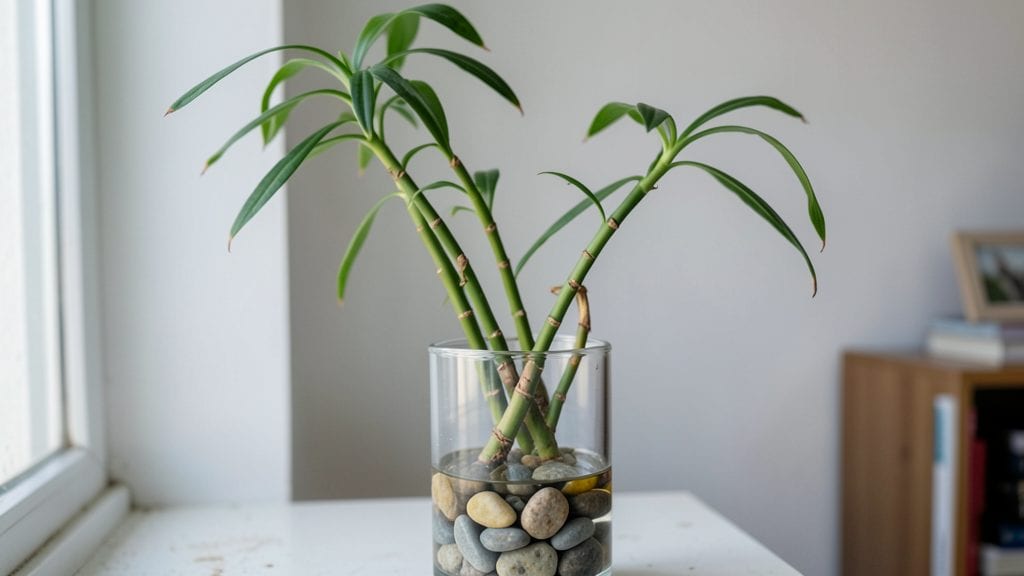
The smallest bamboo plant, Bambusa multiplex 'Tiny Tower', grows just 3–4 feet tall—perfect for tiny patios, windowsills, or even as a tabletop accent.
I’ve watched mine thrive in a 5-gallon pot for three years now, and the secret isn’t just the variety but how you manage its roots and light.
This isn’t your grandma’s invasive bamboo; it’s the kind that fits in a dorm room or a balcony corner without turning into a jungle.
You’ll need a container with drainage holes, a mix of potting soil and perlite (or coconut coir) for aeration, and a spot with morning sun and afternoon shade—think east-facing windows or dappled shade outdoors.
Water when the top inch of soil feels dry, but never let it sit soggy. The key to keeping it compact? Prune back any shoots that pop up outside the pot (they’ll appear within weeks), and repot every 2–3 years to refresh the soil.
By summer, you’ll have a lush, upright clump with slender canes that sway gently in the breeze—no more than a foot wide. It’s the kind of plant that makes neighbors ask, “What is that?” and then beg for a cutting.
The best part? It stays dwarf-sized without chemicals or harsh pruning. Just trim, water, and enjoy the satisfaction of a plant that refuses to outgrow its home.
Works for renters, urban gardeners, or anyone who’s tired of bamboo taking over. The same tricks apply to Fargesia species too—just adjust the shade slightly for cooler climates. Here’s how to keep it tiny, forever.
📚 In This Guide
- What you need
- Instructions
- Tips and common mistakes
- Wrapping up and next steps
What you need
- ● Bamboo plant: Choose a clumping bamboo variety (e.g., Bambusa multiplex or Fargesia species) for compact growth. Opt for a 1-gallon nursery pot or smaller for the tiniest varieties.
- ● Well-draining soil: Mix 1 part potting soil, 1 part perlite, and 1 part compost (or use a pre-mixed bamboo-specific blend).
- ● Container: A 5–10 gallon pot (or larger if growing multiple plants) with drainage holes is ideal. For dwarf varieties, a 3–5 gallon pot works perfectly.
- ● Watering can: A spray nozzle attachment helps avoid overwatering.
- ● Fertilizer: A balanced, slow-release fertilizer (10-10-10 or 20-20-20) or organic compost tea for natural nutrients.
- ● Pruning shears: For trimming overgrown canes (sterilize with rubbing alcohol).
- ● Root barrier: A plastic or fabric barrier (if planting in the ground to prevent spreading).
- ● Mulch: Pine bark or straw mulch (2–3 inches) to retain moisture and suppress weeds.
- ○ Grow lights (optional): If indoors, a full-spectrum LED grow light (12–16 hours/day) for low-light areas.
- ○ Soil pH tester (optional): Ideal pH for bamboo is 5.5–7.0.
Step-by-step instructions for growing compact bamboo in small spaces
Here’s how to keep your bamboo lush while keeping its spread in check—no yard needed.
Select the Right Bamboo Variety for Small Spaces
Not all bamboo thrives in tight quarters, so choose a clumping variety like Bambusa multiplex or Fargesia murielae—these stay contained naturally. Avoid running types like Phyllostachys, which spread aggressively. I always check the mature height and spread before buying; even compact varieties can reach 6-10 feet tall, so measure your space first.
Look for nursery-grown plants in 4-inch pots—they’re easier to handle than bare-root clumps. If you’re starting from seed, expect a 5-10 year wait for maturity, so transplants save time. Skip the giant bamboo plants at big-box stores; they’re usually running types disguised as "ornamental."
Prepare a Contained Growing Space
Bamboo roots need room to breathe but not to roam. Use a large container (at least 18 inches wide and deep) with drainage holes—plastic or ceramic works, but I prefer unglazed terra cotta because it wicks away excess moisture. Line the bottom with 1-2 inches of gravel to prevent root rot from sitting water.
Fill the pot with well-draining potting mix (avoid garden soil—it compacts and suffocates roots). Mix in 20% perlite or sand to improve aeration. If planting outdoors, dig a hole twice as wide as the root ball but no deeper. The key is giving roots space to spread horizontally without escaping the container or garden bed.
Plant and Prune for Controlled Growth
Remove the bamboo from its nursery pot and loosen the roots gently. Place it in the prepared hole or container so the top of the root ball sits 1 inch below the soil line. Backfill with soil, pressing lightly to eliminate air pockets. Water deeply right after planting to settle the roots.
Here’s the trick: prune the culms (stems) by one-third right after planting. This encourages bushier growth and prevents leggy, weak stems. Use clean, sharp pruners to make cuts just above a node (the bump where leaves attach). You’ll see new shoots emerge from the base in 4-6 weeks, filling out the plant’s shape.
Maintain Water and Light for Compact Health
Bamboo loves moisture but hates soggy roots. Water when the top 2 inches of soil feel dry, which is usually every 3-5 days depending on your climate. In containers, you’ll need to water more frequently because pots dry out faster. I always check soil moisture with my finger—stick it in and feel for dampness before watering.
Place your bamboo in bright, indirect light—think 4-6 hours of morning sun or filtered light near a window. Too much direct sun scorches the leaves, while too little shade makes stems stretch weakly. If leaves yellow, it’s often a sign of overwatering or poor drainage. Rotate the pot quarter-turn weekly so the plant grows evenly toward the light.
Control Spread Through Regular Maintenance
Even clumping bamboo needs monitoring. Every spring and fall, remove any suckers (new shoots) that appear outside the intended growing area. Dig them out 6 inches deep to get the entire root system—leaving even a small piece behind will regrow. For container plants, trim suckers at the base with pruners to keep the plant tidy.
Fertilize lightly once in early spring with a balanced 10-10-10 fertilizer (follow package rates). Over-fertilizing leads to fast, weak growth that’s prone to disease. If you notice yellowing leaves or stunted growth, flush the soil with water to prevent salt buildup from fertilizers. With consistent care, your bamboo will stay compact, lush, and manageable for years.
Tips & tricks for growing compact bamboo in small spaces
Here's what I've learned from years of growing bamboo in containers—these tricks keep your plant lush without the mess.
Variety Matters: When selecting your Bambusa multiplex or Fargesia murielae, look for plants labeled "clumping" or "non-invasive." I've seen many garden centers sell running bamboo disguised as compact varieties, so always verify. The key is checking the mature height—even compact varieties can reach 6-10 feet tall, so measure your space carefully before buying. For true miniatures, consider Fargesia denudata, which stays under 4 feet.
Container Size Secrets: That 18-inch wide and deep container recommendation isn't just a minimum—it's crucial for root health. I've found that wider pots (24 inches) actually work better for clumping bamboo because they give roots more horizontal space to spread without becoming root-bound. The extra width prevents the plant from becoming pot-bound, which leads to stunted growth. Just make sure the container has drainage holes—bamboo roots rot quickly in soggy conditions.
Pruning Timing: The one-third pruning of culms right after planting isn't just about shape—it's about stimulating bushier growth. I've noticed that plants pruned this way develop 3-5 new shoots within those 4-6 weeks, creating a fuller plant faster. Make your cuts just above a node (that little bump where leaves attach) using clean pruners. Sterilize your tools with rubbing alcohol between cuts to prevent disease spread.
Light Management: That 4-6 hours of morning sun recommendation is perfect, but here's the trick: if your bamboo starts stretching toward the light (a sign of etoliation), it's getting too little. I rotate my pots quarter-turn weekly to ensure even growth, and I've found that placing them near an east-facing window gives the best balance of light without scorching. For indoor growing, supplement with a grow light if natural light falls short—bamboo needs at least 6 hours of light daily to thrive.
Pro Tips for Smallest Bamboo Plant
- Here's what I've learned from years of growing bamboo in containers—these tricks keep your plant lush without the mess.
- Variety Matters: When selecting your Bambusa multiplex or Fargesia murielae, look for plants labeled "clumping" or "non-invasive."
- Container Size Secrets: That 18-inch wide and deep container recommendation isn't just a minimum—it's crucial for root health.
Frequently asked questions
Got questions about growing the smallest bamboo plants? You’re not alone!
Here are some of the most common queries—plus quick, actionable answers to help you thrive with tiny bamboo in your space.
What’s the absolute smallest bamboo variety I can grow indoors?
The Bambusa multiplex (also called "Golden Goddess" or "Hedge Bamboo") is one of the smallest clumping varieties, reaching just 3–6 feet tall with a 1–2 foot spread. For even tinier options, try Bambusa ventricosa (Wedge Bamboo), which stays under 5 feet and thrives in containers.
How long does it take for dwarf bamboo to reach maturity?
Most compact bamboo varieties take 1–3 years to reach their mature height, depending on care. Golden Goddess grows about 6–12 inches per year, while faster growers like Bambusa multiplex 'Tiny Giant' may hit 3 feet in 2 years. Patience pays off—consistent watering and sunlight speed up growth!
Can I grow dwarf bamboo in a pot without it outgrowing its space?
Clumping bamboo
(like Bambusa or Dendrocalamus species) is ideal for containers because it doesn’t spread via runners. Use a 12–18 inch diameter pot with drainage holes, and prune aggressively in spring to keep it tidy. Running bamboo (e.g., Phyllostachys) is a no-go—it’ll escape even the largest pots!
Does dwarf bamboo need full sun, or can it survive in shade?
Most compact bamboo tolerates partial shade (4–6 hours of sunlight daily), but variegated types (like Bambusa multiplex 'Alphonse Karr') need bright, indirect light to maintain their golden stripes. Avoid deep shade—it leads to leggy growth and fewer shoots. A south- or east-facing window is perfect for indoor plants.
Why isn’t my dwarf bamboo growing? Troubleshooting tips!
Check these common issues:
Stunted growth? Likely underwatered or root-bound. Water when the top inch of soil is dry, and repot if roots circle the container.
Yellow leaves? Overwatering or poor drainage. Let soil dry slightly between waterings, and ensure the pot has drainage holes.
No new shoots? It might need more sunlight or fertilizer (use a balanced 10-10-10 mix in spring/summer).
Leggy or weak? Move it to a sunnier spot or prune back to encourage bushier growth.
Pro tip: Divide clumps every 2–3 years to rejuvenate growth!
Wrapping up and next steps
Growing the smallest bamboo plant is all about working with nature’s compact wonders—whether you’re a city dweller with a tiny balcony or a gardener craving low-maintenance greenery. 🌱 With the right clumping bamboo varieties, proper spacing, and a few clever tricks (like container limits and pruning), you’ve got a thriving mini-forest without the space or hassle.
Ready to turn your tiny space into a bamboo oasis? Start by picking your perfect variety—then grab those containers and get planting! 🌿 Whether you’re a beginner or a seasoned green thumb, these growth hacks make it easier than ever to enjoy bamboo’s beauty on a small scale.