
Companion Plants
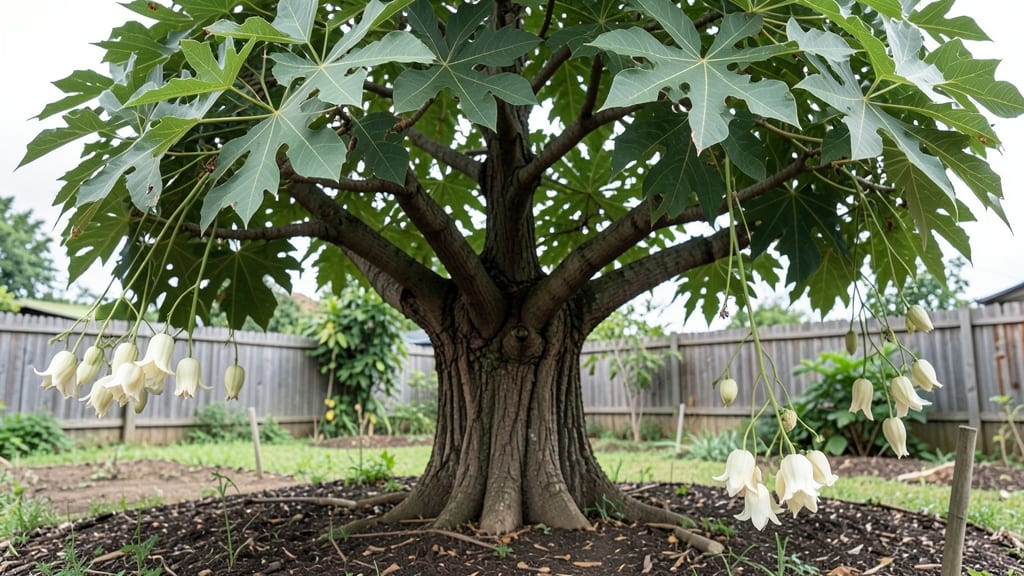
Silk tree plants (Albizia julibrissin) transform bare spots into lush, fast-growing privacy screens within just a few years—no waiting decades for slow growers. 🌿 I planted mine three years ago, and it already towers over my neighbors' fences, casting dappled shade while blooming with clouds of pink, fuzzy flowers that hummingbirds adore.
These trees thrive in full sun to partial shade and handle poor soil like champions, making them perfect for urban lots or neglected backyards. They’re drought-tolerant once established but appreciate deep watering during their first year to help roots spread.
Prune in late winter to shape them early, and watch them bounce back with fresh, feathery foliage by spring.
What sets silk trees apart is their year-round interest: silvery bark in winter, delicate blooms in summer, and golden foliage in fall. They’re also lightweight enough for container growing in warm climates, though they’ll outgrow most pots eventually.
The trade-off? They drop leaves and seed pods, so mulch heavily to keep the mess under control.
For fast results, plant in well-draining soil and avoid heavy clay. In colder zones (below USDA 6), protect young trees with burlap wraps until they’re a few years old.
The payoff? A low-maintenance, high-impact tree that grows faster than most shrubs but stays just as elegant. Ready to add one to your landscape?
📚 In This Guide
- What you need
- Instructions
- Tips and common mistakes
- Wrapping up and next steps
What you need
- ● Silk tree seeds or saplings: 3–5 plants per 10-foot section of privacy screen (spaced 6–10 feet apart for optimal growth). Pro tip: 🌱 Start seeds indoors 6–8 weeks before the last frost for faster growth!
- ● Well-draining soil: A mix of topsoil, compost (20–30%), and perlite or sand (10%) to prevent root rot.
- ● Organic mulch: 2–3 inches of wood chips or shredded bark to retain moisture and suppress weeds.
- ● Slow-release fertilizer: 10-10-10 or 14-14-14 (apply at planting and again in early spring).
- ● Watering can or hose with a gentle spray nozzle: Silk trees need 1–2 inches of water per week (more during droughts).
- ● Pruning shears or loppers: For shaping and maintaining your privacy screen (sterilize blades with rubbing alcohol!).
- ○ Stakes and garden twine (optional but helpful): Use for young saplings in windy areas to prevent toppling.
- ● Garden shovel or trowel: For digging holes (2–3 times wider than the root ball).
- ● Measuring tape: To ensure proper spacing between plants.
- ● Gloves and long sleeves: Silk tree leaves can cause mild skin irritation in some people.
- ● Sunlight access: Full sun (6+ hours daily) for best growth—partial shade is tolerable but may reduce flowering.
- ● Drought tolerance: Once established, silk trees are drought-resistant, but young plants need consistent moisture.
- ● Epsom salt (1 tbsp per plant) for magnesium boosts during flowering season.
- ● Bird netting to protect young trees from pests like Japanese beetles.
- ● A soil pH test kit (ideal range: 6.0–7.5; amend with lime or sulfur if needed).
- ● Decorative rocks or edging to define your privacy screen’s borders.
How to plant silk tree for a fast, lush privacy screen
Here's the straightforward method I use to get silk trees growing thick and tall in record time.
🌱 Step 1: Choose the Perfect Planting Spot
Silk trees thrive in full sun, so pick a location with at least 6-8 hours of direct sunlight daily. They tolerate heat and drought once established, but their first year needs consistent moisture. I always test the soil by digging a 6-inch hole—if the soil feels compacted or clay-heavy, amend it with 2-3 inches of compost to improve drainage.
For a privacy screen, space plants 12-15 feet apart in rows 10-12 feet apart. This gives them room to grow wide and fill in quickly. If your soil drains poorly, consider planting on a slight mound to prevent root rot.
🪴 Step 2: Dig and Prepare the Planting Hole
Dig a hole twice as wide as the root ball but only as deep as the container. Silk trees have shallow roots, so planting too deep suffocates them. Loosen the sides of the hole with a shovel to encourage root spread. I always mix the removed soil with a handful of slow-release fertilizer to give them a nutrient boost right away.
Gently remove the silk tree from its container and tease the roots outward if they're circling. Place it in the hole so the top of the root ball sits 1 inch above ground level. This prevents water from pooling around the stem and causing rot.
💧 Step 3: Water Deeply and Mulch for Retention
Fill the hole with soil and tamp it lightly around the base. Water deeply until the soil is 6 inches down—you'll know it's soaked when water runs out of the bottom of the hole. Silk trees need 1-2 inches of water per week during their first year, but let the top 2 inches of soil dry out between waterings to prevent overwatering.
Spread a 2-3 inch layer of mulch around the base, keeping it 6 inches away from the trunk. I use shredded bark mulch because it breaks down slowly and improves soil structure over time. Mulch helps retain moisture and keeps roots cool in summer.
✂️ Step 4: Prune for Shape and Encourage Fullness
Silk trees grow fast, so prune in early spring to shape them and remove any dead or crossing branches. Cut back leggy growth by one-third to encourage bushier growth. I always use clean, sharp pruners to make 45-degree cuts just above a leaf node.
For a privacy screen, let the trees grow naturally but trim any branches that grow inward to maintain airflow and prevent disease. You'll see new growth within 2-3 weeks—that's your sign the tree is thriving.
☀️ Step 5: Maintain for Fast, Dramatic Growth
Fertilize silk trees in early spring with a balanced 10-10-10 fertilizer to encourage lush foliage. Water deeply during dry spells, but avoid soggy soil. Silk trees are drought-tolerant once established, but young trees need consistent moisture to grow quickly.
Watch for pests like spider mites or scale, which can weaken the tree. A strong spray of water usually knocks them off, but severe infestations may need neem oil. With proper care, your silk tree will grow 3-5 feet per year, creating a dense privacy screen in no time.
Tips & tricks for fast-growing silk tree privacy screens
These simple tricks will help your silk trees grow thick and tall in record time—no gardening experience required.
Sunlight Secret: That 6-8 hours of daily sun is non-negotiable for fast growth. If your yard has partial shade, consider planting silk trees on the sunny side of buildings or fences. I've seen trees grow twice as fast when positioned to catch morning sunlight, which is less intense than afternoon rays.
Root Spread Hack: When loosening the sides of that planting hole in Step 2, go a little deeper than you think you need—silk trees have shallow but wide-reaching roots. Breaking up compacted soil at least 8-10 inches deep gives those roots room to spread quickly, which translates to faster canopy growth. Think of it as giving your tree's roots a running start.
Watering Wisdom: The 1-2 inches of water per week is a guideline, but timing matters more. Water deeply in the morning so the soil has all day to dry out slightly before evening. I set a reminder for every 3-4 days during dry spells to keep that top 2 inches just moist—not soggy. Overwatering is the #1 reason silk trees struggle in their first year.
Pruning Payoff: That one-third prune in Step 4 might seem drastic, but it's what triggers bushier growth. Cut back those leggy branches right above a leaf node (you'll see little buds there), and you'll notice new shoots sprouting within those 2-3 weeks. It's like giving your tree a haircut that encourages a fuller head of foliage!
Pro Tips for Silk Tree Plants
- These simple tricks will help your silk trees grow thick and tall in record time—no gardening experience required.
- Sunlight Secret: That 6-8 hours of daily sun is non-negotiable for fast growth.
- Root Spread Hack: When loosening the sides of that planting hole in Step 2, go a little deeper than you think you need—silk trees have shallow but wide-reaching roots.
Frequently asked questions
Got questions about silk tree plants? You’re not alone!
These fast-growing beauties are a favorite for privacy screens, but they do come with some quirks. Below, we’ve rounded up the most common questions—and answers—to help you grow them like a pro.
How fast do silk tree plants grow, and how big do they get?
Silk trees (like the Albizia julibrissin) are fast growers—expect 3–5 feet per year under ideal conditions! Mature trees typically reach 20–30 feet tall with a 20–25-foot spread. If you’re using them for a quick privacy screen, they’ll deliver results in just a few seasons! Pro tip: Prune young trees to encourage bushier growth and control their shape.
Are silk trees cold-hardy, and where’s the best place to plant them?
Silk trees thrive in USDA zones 6–9, making them great for most temperate climates. They handle light frosts but may drop leaves in winter. For best results, plant them in full sun to partial shade with well-draining soil. Avoid soggy spots—they hate “wet feet.” Bonus: Their fern-like foliage adds year-round texture, even in cooler months!
Do silk trees have any pests or diseases I should watch for?
While silk trees are generally low-maintenance, they can attract aphids, spider mites, or scale insects if stressed. Watch for yellowing leaves or sticky residue (honeydew). Powdery mildew can also appear in humid conditions. Solution: Prune for airflow, water at the base, and treat pests with neem oil if needed. Prevention is key!
Can I grow silk trees in containers, or do they need to be planted in the ground?
Silk trees prefer the ground because of their size, but young trees can thrive in large containers (at least 2–3 feet wide) for a few years. Use a fast-draining potting mix and upgrade to a bigger pot every 1–2 years. Warning: Container-grown silk trees won’t reach their full height—best for patios or small yards!
What’s a good alternative if silk trees don’t work for my climate?
If silk trees aren’t cold-hardy enough (zones 5 or below), try these fast-growing, drought-tolerant alternatives:
- Mimosa tree (Albizia lebbeck) – Similar fuzzy blooms, slightly more cold-resistant.
- Leyland cypress (× Cupressocyparis leylandii) – Needle-like privacy screen, grows 3–4 feet per year.
- Empress tree (Paulownia tomentosa) – Fast-growing with stunning spring blooms (zones 5–9).
- Russian olive (Elaeagnus angustifolia) – Tough, salt-tolerant, and great for windbreaks.
Wrapping up and next steps
Adding a silk tree (Albizia julibrissin) to your landscape is a game-changer—whether you crave a fast-growing privacy screen, a splash of color, or a low-maintenance beauty that thrives year-round. 🌿 With its delicate foliage, fragrant blooms, and adaptable nature, this plant brings effortless elegance to any space.
Ready to transform your yard? Start by selecting the perfect spot, gathering your materials, and planting with confidence—your future shade haven awaits!
Pro tip: 💡 Pair it with drought-tolerant companions like lavender or Russian sage for a stunning, synergistic display!