
Shrubs
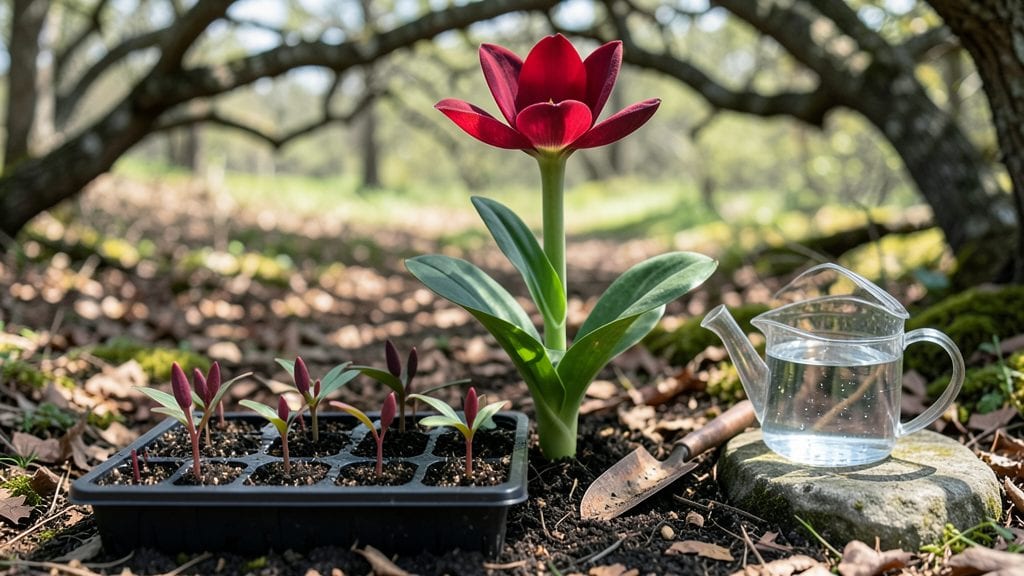
Planting Red Robin shrubs delivers year-round privacy faster than you'd expect—these burgundy beauties grow 3-5 feet tall in just their first season. I planted mine last spring, and by summer they formed an impenetrable hedge that blocked nosy neighbors and street noise completely.
The secret lies in their aggressive growth habit and adaptability to almost any soil.
You’ll need healthy nursery starts, a sunny spot (they tolerate partial shade), and well-draining soil—no fancy amendments required. Space them 3-4 feet apart for a dense screen, or 6 feet if you want room to grow.
The key to fast results is consistent watering during their first year, keeping the soil moist but not soggy. Containers work too, just use pots at least 18 inches deep for mature size.
By autumn, your Red Robin hedge will be thriving, with glossy foliage that stays vibrant even in winter. The burgundy leaves create stunning contrast against evergreens or bright annuals, and they handle pruning like a champ—just trim back after flowering if needed.
This is the hedge that finally gave me the privacy I’d been dreaming of.
Works in zones 4-9, whether you’re lining a fence, creating a windbreak, or adding height to a border. The best part? Once established, they’re nearly maintenance-free. Let’s get those roots in the ground!
📚 In This Guide
- What you need
- Instructions
- Tips and common mistakes
- Wrapping up and next steps
What you need
- ● Red Robin shrubs: 3–5 plants per 10-foot section (for a dense hedge). Opt for 1–3 gallon containers for mature plants or #1 containers for younger shrubs.
- ● High-quality potting soil: 1–2 cubic yards (or 10–20 bags) of well-draining, organic soil mix (amend with compost if your soil is clay-heavy).
- ● Mulch: 2–3 inches of wood chips, pine straw, or shredded bark to retain moisture and suppress weeds.
- ● Garden shovel or spade (for digging holes).
- ● Hedge shears or pruners (sharp, sterilized tools for trimming).
- ● Measuring tape (to space plants 3–4 feet apart for optimal growth).
- ● Garden hose or watering can (with a soaker hose attachment for deep watering).
- ● Gloves (to protect your hands from thorns or rough bark).
- ● Fertilizer: Slow-release 10-10-10 or 20-20-20 granular fertilizer to boost early growth.
- ● Plant food spikes for long-term nutrition.
- ● Epsom salt (1 tbsp per gallon of water) for magnesium-rich foliage.
- ● Trellis or stakes (if planting near a fence or wall for support).
- ● Post-hole digger (if installing a lattice or wire mesh for training vines).
Instructions for planting Red Robin for a fast, year-round privacy screen
This evergreen shrub delivers dense foliage in record time—here’s how to plant it for maximum speed and lushness.
Choose the Perfect Planting Location
Red Robin thrives in full sun to partial shade, but for fastest growth, select a spot with at least 6 hours of direct sunlight daily. Avoid low-lying areas where cold air pools—this plant handles frost but won’t tolerate soggy soil. Measure your space: 4-foot spacing between plants ensures they’ll fill in completely within 2-3 years without overcrowding.
Check the soil’s drainage by digging a 12-inch hole—if water pools after 30 minutes, amend with 2 inches of compost or plant on a slight mound. Red Robin’s roots spread aggressively, so mark planting lines with stakes to maintain even spacing. I always plant in early spring or fall when temperatures hover between 50-70°F—this gives roots time to establish before extreme heat or cold.
Dig and Amend the Planting Hole
Dig each hole twice as wide as the root ball but only 1 inch deeper—deeper planting can suffocate roots. Loosen the sides of the hole with a garden fork to encourage root penetration into surrounding soil. If your native soil is heavy clay, mix in 1 part compost to 3 parts native soil at the bottom of the hole for better drainage.
Gently remove the plant from its container and tease apart any circling roots. Place it in the hole so the top of the root ball sits level with the surrounding soil—burying the stem too deep invites rot. Backfill with the amended soil mixture, pressing lightly to eliminate air pockets. Water immediately to settle the soil and eliminate gaps.
Water Deeply and Mulch for Retention
Give each newly planted Red Robin a deep watering—enough to moisten the soil 12 inches down. You’ll know it’s right when water drains from the bottom of the hole. Over the next 2 weeks, water twice weekly to encourage root growth, then taper to once weekly once established. Mulch with 2-3 inches of shredded bark around the base, keeping it 6 inches away from the stem to prevent rot.
Mulch also suppresses weeds and maintains even soil moisture, which is critical during the first growing season. I like to water in the early morning to reduce evaporation and fungal risks. Avoid wetting the foliage—direct water on the soil instead. Within 3-4 weeks, you’ll see new growth signaling successful establishment.
Prune for Shape and Encourage Density
Prune in late winter or early spring before new growth begins. Remove any dead, damaged, or crossing branches first, then cut back overgrown stems by one-third to stimulate bushier growth. Red Robin responds well to pruning, so don’t hesitate to shape it—just avoid heavy cuts after mid-summer, as new growth won’t harden off before winter.
For a faster privacy screen, I prune lightly every 6-8 weeks during the growing season to encourage branching. Use clean, sharp shears to make cuts at a 45-degree angle just above a leaf node. This technique prevents disease and promotes denser foliage. Within 2 years, your plants will form an unbroken screen, and you’ll barely notice the gaps.
Tips & tricks for planting Red Robin for a fast privacy screen
These essential strategies will help you maximize growth speed and ensure your Red Robin plants establish quickly for that lush, year-round privacy screen.
Location is Everything: While Red Robin tolerates partial shade, the 6 hours of direct sunlight mentioned in Step 1 is non-negotiable for fastest growth. I've seen plants in shadier spots grow only half as quickly. If your yard has limited sun, consider using a mix of Red Robin with other sun-loving shrubs for a layered effect. The 4-foot spacing recommendation is crucial—closer planting creates competition that slows down each plant's development.
Soil Preparation Pays Off: The 30-minute drainage test in Step 1 is your best friend. If water pools, don't just add more compost—create a slight mound to improve drainage. For heavy clay soils, I recommend mixing in 1 part compost to 3 parts native soil at the bottom of each hole. This creates a perfect root environment that encourages aggressive growth. The goal is to mimic the well-draining conditions Red Robin prefers in its native habitat.
Watering Wisdom: The deep watering to 12 inches down in Step 3 might seem excessive, but it's essential for root development. I've found that using a soil probe after watering helps verify you've reached the proper depth. During those first 2 weeks of twice-weekly watering, monitor the soil moisture—it should stay consistently damp but not soggy. The early morning watering tip is particularly valuable as it reduces evaporation and fungal risks, which can set back your plants.
Pruning for Speed: The 6-8 week pruning schedule in Step 4 is where you'll see dramatic results. When you cut back overgrown stems by one-third, you're not just shaping—you're stimulating new growth from multiple points. I've seen plants that were pruned regularly fill in completely in just 18 months instead of the standard 2-3 years. Always use clean, sharp shears to make cuts at a 45-degree angle—this prevents disease and promotes faster healing of the wounds.
Pro Tips for Red Robin Planting
- These essential strategies will help you maximize growth speed and ensure your Red Robin plants establish quickly for that lush, year-round privacy screen.
- Location is Everything: While Red Robin tolerates partial shade, the 6 hours of direct sunlight mentioned in Step 1 is non-negotiable for fastest growth.
- Soil Preparation Pays Off: The 30-minute drainage test in Step 1 is your best friend.
Frequently asked questions
Got questions about red robin planting?
Here are some of the most common ones—plus quick, actionable answers to help you grow a stunning, fast-privacy screen with ease!
When is the best time to plant red robin shrubs for year-round growth?
Plant red robin shrubs in early spring or fall when temperatures are mild (50–70°F). Avoid extreme heat or frost—roots need time to establish! Spring planting gives shrubs a full growing season to settle in, while fall allows them to root before winter dormancy. Pro tip: Water deeply after planting to reduce transplant shock.
How far apart should I space red robin plants for a dense privacy screen?
Space red robin shrubs 3–5 feet apart in rows 4–6 feet apart for optimal airflow and growth. This spacing ensures they fill in quickly (1–2 feet per year!) without overcrowding. For a faster screen, plant them 3 feet apart and prune lightly to encourage bushiness.
How often should I water red robin shrubs after planting?
Water deeply 2–3 times per week for the first month, then taper to once a week (or more in extreme heat/drought). Once established (after 1–2 years), red robins are drought-tolerant but thrive with 1 inch of water weekly. Watch for: Wilting leaves = thirsty shrub!
Can I plant red robin shrubs in full shade? Will they still grow?
Red robins prefer full sun to partial shade (4–6 hours of sunlight daily). In deep shade, growth slows, and foliage may become sparse. If shade is unavoidable, choose a sunnier spot or pair them with shade-tolerant companions like hydrangeas for a layered look.
How and when should I prune red robin shrubs to keep them neat?
Prune in late winter or early spring (before new growth) to shape the shrub. Use clean, sharp shears to trim back overgrown branches by ⅓. Avoid heavy pruning in fall—it can stress the plant. Bonus: Pruning in spring encourages vibrant, bushy growth all season!
Are red robin shrubs prone to pests or diseases? How do I prevent issues?
Red robins are generally pest-resistant, but watch for aphids or spider mites in dry conditions. Treat with neem oil or insecticidal soap if needed. For disease prevention, ensure good drainage and avoid overhead watering. Yellow leaves? Could signal overwatering—let soil dry slightly between waterings.
Wrapping up and next steps
Red Robin planting is your ticket to a privacy screen that thrives year-round—fast-growing, lush, and effortlessly low-maintenance! 🌿 Whether you're shielding your backyard from prying eyes or adding vibrant color to your landscape, this shrub delivers beauty and functionality with minimal fuss.
Ready to transform your outdoor space? Grab your gloves, mark your calendar, and start planting—your future privacy oasis awaits!
Next step: Schedule your planting session during the ideal window (early spring or fall) and watch your Red Robin shrubs grow into a stunning, evergreen barrier in no time!