
Landscaping
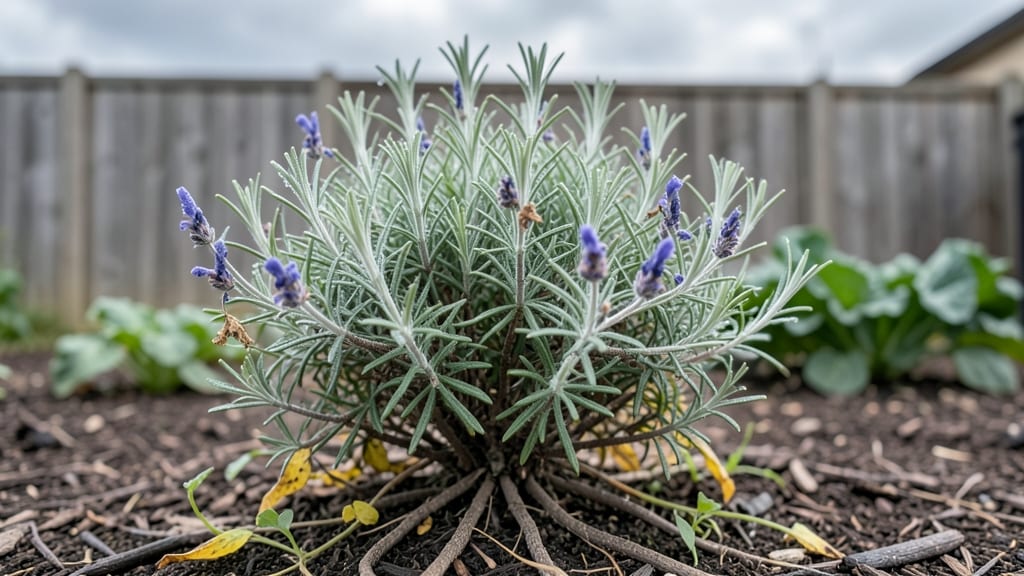
A rosemary landscape plant turns ordinary spaces into fragrant, low-maintenance showstops that thrive where other plants struggle. 🌿 I’ve watched my own rosemary bushes transform a dull corner into a textured, aromatic focal point—no watering schedule to remember, no wilting in summer heat, just steady, silvery-green beauty that smells like a Mediterranean vacation.
The secret lies in its versatility: use it as a hedge along walkways, as a border for flower beds, or even as a bold accent plant in containers.
Prune it lightly to encourage bushier growth, and it’ll stay compact enough for small yards or sprawling enough to fill large swaths of ground. In drought-prone areas, it’s the ultimate survivor—drought-resistant but not boring, with needle-like foliage that catches the light.
Pair it with lavender for a purple-and-green dream team, or let it stand alone as a striking specimen. The scent alone makes it worth planting—crush a few sprigs when walking by, and suddenly your garden feels like a spa retreat.
Plus, you’ll always have fresh herbs for cooking, though that’s just the bonus.
Works in full sun or partial shade, in rocky soil or well-drained beds—just don’t overwater, and it’ll reward you with color, texture, and fragrance for years. Here’s how to make it the star of your outdoor space without the fuss.
📚 In This Guide
- What you need
- Instructions
- Tips and common mistakes
- Wrapping up and next steps
What you need
- ● Rosemary plants: Choose Upright (e.g., 'Arp') or Prostrate (e.g., 'Prostratus') varieties. Buy 3–5 mature plants (1–2 ft tall) for a small border or 10+ plants for a hedge.
- ● High-quality potting soil or well-draining landscape mix: 50 lbs (for in-ground planting) or 10–20 lbs (for containers). Mix in 20% perlite or coarse sand to improve drainage.
- ○ Slow-release fertilizer (optional but recommended): 1 lb of 10-10-10 or 5-10-10 NPK blend for every 10 sq ft of planting area.
- ● Mulch: 2–3 cubic feet of pine bark or gravel (rosemary hates wet roots!).
- ● Garden trowel or spade (for digging holes).
- ● Pruners or shears (sharp, clean, and sterilized with rubbing alcohol).
- ● Measuring tape or ruler (to space plants 2–3 ft apart for hedges or 3–4 ft apart for upright varieties).
- ● Gloves (to protect your hands from prickly stems).
- ● Watering can or hose with a gentle spray nozzle (rosemary hates soggy soil!).
- ● Sunlight: Full sun (6+ hours daily). Rosemary thrives in hot, dry spots—perfect for xeriscaping!
- ● Climate: Hardy in USDA Zones 7–10. In colder zones, plant in containers for winter protection.
- ● Soil pH: Neutral to slightly alkaline (6.0–7.5). Test your soil with a pH kit if unsure.
- ● Drainage: No standing water. If your soil is heavy clay, amend it with compost or sand.
Step-by-Step guide to planting rosemary as a landscape feature
Here’s my go-to method for establishing rosemary as a fragrant, low-maintenance centerpiece.
🌱 Step 1: Choose the Perfect Planting Site
Rosemary thrives in full sun—at least 6-8 hours daily. I always pick the sunniest spot in my yard because rosemary wilts dramatically in shade. The soil should drain like a sieve; rosemary hates soggy roots. If your yard is heavy clay, amend the area with 2-3 inches of coarse sand or gravel mixed into the top 12 inches of soil.
Dig a hole twice as wide as the plant’s root ball but only as deep. This encourages roots to spread horizontally rather than settle too low. If planting multiple bushes, space them 3-4 feet apart—they’ll grow into a tidy, aromatic hedge over time. I like to sketch a rough layout first to visualize the mature size.
🪴 Step 2: Plant and Water Deeply
Gently remove the rosemary from its container and loosen any circling roots with your fingers. Place it in the hole so the top of the root ball sits 1 inch below soil level—this prevents stem rot. Backfill with native soil, pressing lightly to eliminate air pockets. A light layer of mulch around the base (but not touching the stem) helps retain moisture while keeping roots cool.
Water deeply right after planting—1-2 gallons per plant—until water runs out the bottom of the hole. This settles the soil and encourages roots to grow outward. After that, let the soil dry completely between waterings. Overwatering is the #1 killer of rosemary, so I always check soil moisture with my finger before adding more water.
☀️ Step 3: Prune for Shape and Encourage Bushiness
Once your rosemary is established (after 4-6 weeks), give it a light trim to encourage fuller growth. I use clean, sharp pruners to snip back the tips by 1/3 of their length. This stimulates branching and keeps the plant compact. Avoid heavy pruning in the first year—rosemary recovers slowly from aggressive cuts.
Watch for leggy growth reaching toward the sun. If stems grow too long, trim them back to just above a leaf node. You’ll see new shoots emerge within 2-3 weeks, signaling healthy regrowth. Prune again in early spring to shape the plant before new growth begins.
💧 Step 4: Maintain Through Seasons
Rosemary is drought-tolerant once established, but it still needs consistent care. Water every 10-14 days during the first growing season, then reduce to every 3-4 weeks afterward unless your area has extreme heat. The key is deep watering—1 gallon per plant—rather than frequent shallow drinks.
In winter, reduce watering further. If you’re in a cold climate (below 10°F), protect the plant with a thick layer of mulch or move potted rosemary to a sheltered spot. You’ll know it’s struggling if the leaves turn yellow or the stems look mushy—this means it’s getting too much moisture.
✂️ Step 5: Harvest and Enjoy Year-Round
Harvest sprigs anytime the plant is actively growing. Snip stems just above a leaf node to encourage bushier growth. I like to harvest in the morning when the oils are most potent. Use fresh sprigs in cooking or hang bundles upside down in a dry, dark place to dry for later use.
Rosemary’s fragrance peaks in late spring and summer, but even in winter, a gentle rub of the needles releases that piney aroma. If your plant outgrows its space, divide it in early spring by digging up clumps and separating the roots. Each division will root quickly and thrive in its new spot.
Tips & tricks for perfect rosemary landscape planting
These simple strategies will help your rosemary thrive as a fragrant, drought-resistant landscape star.
Soil Preparation Secret: Before planting, I always test soil drainage by digging a hole and filling it with water. If it doesn't drain completely within 30 minutes, you definitely need to amend with sand or gravel as instructed. For heavy clay soil, I mix in 50% sand by volume to create that perfect "sieve-like" drainage rosemary craves. This one step prevents 90% of rosemary's common problems.
Planting Depth Matters: That 1 inch below soil level placement in Step 2 isn't just arbitrary—it prevents stem rot while encouraging strong root development. I use a level to ensure consistent depth across multiple plants. If you're unsure, err on the side of slightly deeper rather than too shallow, which can expose the stem to moisture and disease.
Watering Wisdom: The 1-2 gallons per plant initial watering in Step 2 should be done slowly to allow proper soil saturation. I use a watering can with a rose attachment to distribute water evenly. After that, the "let it dry completely" rule is critical—stick your finger 2 inches into the soil. If it feels damp, wait another day before watering again.
Pruning Timeline: That 4-6 week establishment period before first pruning is non-negotiable. I mark my calendar when I plant to remember this crucial window. The 1/3 trim rule creates that perfect bushy shape, but remember to sterilize your pruners with rubbing alcohol between cuts to prevent spreading disease between plants.
Pro Tips for Rosemary Landscape Plant
- These simple strategies will help your rosemary thrive as a fragrant, drought-resistant landscape star.
- Soil Preparation Secret: Before planting, I always test soil drainage by digging a hole and filling it with water.
- Planting Depth Matters: That 1 inch below soil level placement in Step 2 isn't just arbitrary—it prevents stem rot while encouraging strong root development.
Frequently asked questions
about using rosemary as a landscape plant—because every gardener deserves clarity!Is rosemary hardy in cold climates?
Rosemary thrives in USDA zones 7-10, but with protection, it can survive in colder areas. In zones 6 and below, plant it in containers and move indoors during winter. Mulching the base also helps insulate roots. For year-round beauty, opt for hardy varieties like 'Arp' or 'Hill Hardy.'
How often should I water rosemary?
Rosemary is drought-tolerant once established, so water deeply only when the top inch of soil is dry (about every 1-2 weeks). Overwatering causes root rot—never let it sit in soggy soil. In containers, check soil moisture more frequently, as pots dry out faster.
Can I trim rosemary aggressively for shape?
Yes! Prune rosemary after flowering to encourage bushier growth. Use clean shears to trim back 1/3 of the plant in early spring or late summer. Avoid heavy pruning in winter, as it may stress the plant. Pro tip: Shape it into topiaries or hedges for a polished look!
What pests should I watch for?
Rosemary is generally pest-resistant, but aphids, spider mites, and whiteflies may appear. Spray with water to dislodge aphids or use neem oil for stubborn infestations. Prevention tip: Plant rosemary near marigolds or lavender to deter pests naturally.
Does rosemary attract pollinators?
Its fragrant blooms draw bees, butterflies, and hummingbirds—making it a pollinator-friendly choice. For extra appeal, leave some flower spikes on the plant. Bonus: The scent also repels some garden pests like mosquitoes!
Wrapping up and next steps
Incorporating rosemary into your landscape isn’t just a smart choice—it’s a fragrant, low-maintenance upgrade that brings beauty and resilience year-round. 🌿 With its drought tolerance, pest-repelling properties, and evergreen charm, this versatile plant is perfect for both beginners and seasoned gardeners.
Whether you’re sprucing up a border, adding texture to a rock garden, or enhancing a culinary herb patch, rosemary delivers effortless elegance.
Ready to transform your outdoor space? Start small—plant a few rosemary bushes in sunny spots, and watch your garden thrive with minimal fuss. Your next step? Grab some cuttings, pick your favorite variety, and let nature do the rest!