
Lawn
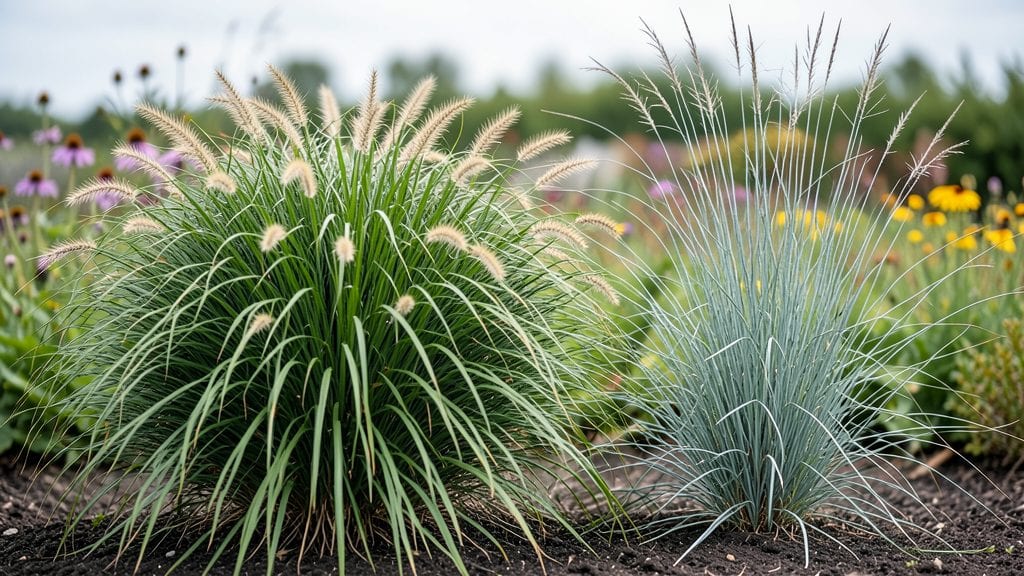
This feather grass plant transforms any yard into a drought-proof masterpiece with almost no effort—just watch it sway silvery-blue all summer long, needing no water, no fuss, only year-round texture that outshines any annual. flower.
The secret lies in its love for poor soil and hot sun, making it the perfect plant for low-maintenance landscapes.
You’ll need full sun (at least 6 hours daily) and well-draining soil—even rocky ground works. Varieties like Stipa tenuissima (the "Mexican feather grass") grow 2-3 feet tall with delicate, 12-inch plumes, while Pennisetum alopecuroides (fountain grass) adds bold, fountain-like shape.
Plant in spring or fall when roots can establish before extreme heat or cold.
Once established, feather grass thrives on zero watering—just an inch of rain or irrigation every 2-3 weeks during droughts. Prune back dead foliage in early spring to encourage fresh growth, and watch it bounce back with shockingly lush new shoots.
The result? A garden that stays stunning with almost no work.
Perfect for borders, slopes, or even container gardens—it pairs beautifully with succulents and lavender. Whether you’re replacing thirsty turf or adding drama to a dry corner, this grass delivers effortless elegance. Let’s get yours planted!
📚 In This Guide
- What you need
- Instructions
- Tips and common mistakes
- Wrapping up and next steps
What you need
- ● Feather Grass Plants: Seedlings or mature plants (3–6 plants per 10 sq. ft. for full coverage)
- ● Choose varieties like Pennisetum alopecuroides (Fountain Grass) or Pennisetum villosum (Purple Fountain Grass) for visual impact.
- ● Soil: Well-draining soil (amend heavy clay with compost or sand if needed).
- ● pH range: 6.0–7.5 (neutral to slightly acidic).
- ● Sunlight: Full sun (6+ hours daily) for optimal growth.
- ● Water: Drip irrigation system or hose with a soaker nozzle (for deep watering).
- ● Mulch (2–3 inches of pine straw or gravel) to retain moisture and suppress weeds.
- ● Basic Tools: Garden trowel or shovel
- ● Pruning shears (for shaping)
- ○ Gloves (optional but recommended)
- ● Fertilizer: Slow-release granular fertilizer (10-10-10 ratio) or organic options like compost tea (apply in early spring).
- ● Decorative Accents: Rocks, ornamental pots, or companion plants (e.g., Carex sedges or Salvia for contrast).
- ● Seasonal Care: Winter mulch (straw or leaves) in colder climates to protect roots.
- ● Seed Starting Kit: If growing from seed, use seed trays and a heat mat (for faster germination).
Instructions for planting and maintaining feather grass
Here’s how to establish feather grass with minimal fuss—once planted, it thrives with almost no intervention.
Select the Perfect Planting Site
Feather grass excels in full sun but tolerates partial shade, making it adaptable to most landscapes. Choose a spot with well-draining soil—it despises soggy roots. If your soil is heavy clay, amend it with 2-3 inches of coarse sand or gravel mixed into the top 12 inches of soil to improve drainage.
Test your site by digging a 6-inch hole—if water pools instead of draining within 10 minutes, you’ll need to improve drainage before planting. The grass’s upright, airy habit means it won’t compete aggressively with other plants, so spacing isn’t critical, but give it 18-24 inches of clearance on all sides for optimal airflow.
Prepare the Soil and Plant the Grass
Loosen the soil in the planting area to a depth of 12 inches using a garden fork or tiller. This breaks up compacted layers and encourages root penetration. Feather grass doesn’t demand rich soil—it thrives in lean, sandy, or rocky conditions—but a light application of 5-10-5 fertilizer at planting time promotes early establishment.
Dig a hole twice as wide as the root ball but only as deep as the container it came in. Gently remove the grass from its pot and tease apart any circling roots. Place it in the hole, ensuring the crown sits just above soil level—burying it too deep invites rot, while setting it too high stunts growth. Backfill with native soil and tamp lightly to eliminate air pockets.
Water Deeply and Establish a Maintenance Routine
After planting, water deeply—soak the soil until 6 inches down—to encourage roots to seek moisture. Feather grass is drought-tolerant once established, but young plants need 1 inch of water weekly during the first growing season. Let the soil dry between waterings; soggy conditions trigger fungal issues.
Mulch the base with 1-2 inches of gravel or coarse bark, keeping it 3 inches away from the crown to prevent moisture retention. This mimics its natural habitat and reduces weeds. Avoid organic mulches like wood chips—they decompose and alter soil chemistry over time, which feather grass doesn’t need.
Prune for Shape and Health
Feather grass rarely needs pruning, but you can trim back one-third of the oldest growth in early spring to encourage fresh, vibrant foliage. Use clean, sharp pruners to avoid tearing the delicate blades. If the grass develops a ragged appearance, shear lightly with hedge clippers in late summer to maintain a tidy form.
Remove any dead or brown fronds by hand—this improves airflow and prevents pests. Never cut into the base of the plant; feather grass grows from the crown, and aggressive pruning can stunt regrowth. A light touch keeps it looking effortless while preserving its natural texture.
Protect and Enjoy Year-Round
Feather grass handles frost and heat with ease, but in Zone 5 or colder, a 2-3 inch layer of mulch over the roots in winter prevents heaving. In summer, if your region experiences consistent 90°F+ temperatures, provide afternoon shade to prevent leaf scorch—though the grass will recover quickly once temperatures drop.
Fertilize once annually in early spring with a low-nitrogen, balanced formula like 5-10-5. Over-fertilizing leads to weak, floppy growth. With minimal care, your feather grass will stand as a drought-resistant, low-maintenance staple for years, adding texture and movement to any landscape.
Tips & tricks for perfect feather grass planting
These essential insights will help you establish feather grass with confidence, ensuring it thrives for years with minimal intervention.
Drainage Test Accuracy: When testing drainage in Step 1, use a transparent container to measure water absorption. Fill the 6-inch hole with water and time how quickly it drains. If water remains after 10 minutes, mix in an additional 1-2 inches of coarse sand to the top 12 inches of soil. Proper drainage is the foundation for healthy roots—don't skip this critical step, even if your soil looks fine on the surface.
Root Ball Preparation: In Step 2, gently separate circling roots by hand rather than using tools. Feather grass has delicate root structures that can be damaged easily. If the root ball is tightly bound, soak it in water for 10 minutes before transplanting to encourage root expansion. This simple preparation makes all the difference in establishment success.
Watering Strategy: The 6-inch deep watering in Step 3 should be done slowly to prevent runoff. Use a soaker hose or watering can with a narrow spout to direct water precisely where needed. This targeted approach ensures moisture reaches the roots without wasting water. During the first growing season, maintain consistent 1-inch weekly watering—uneven moisture patterns can stress young plants.
Mulching Precision: When applying the 1-2 inches of gravel mulch in Step 3, create a slight mound around the base while keeping it 3 inches away from the crown. This elevation prevents water from pooling against the plant during rain. The mulch should look like a gentle slope rather than a flat layer—this subtle technique mimics natural conditions and prevents crown rot.
Pro Tips for Feather Grass Plant
- These essential insights will help you establish feather grass with confidence, ensuring it thrives for years with minimal intervention.
- Drainage Test Accuracy: When testing drainage in Step 1, use a transparent container to measure water absorption.
- Root Ball Preparation: In Step 2, gently separate circling roots by hand rather than using tools.
Frequently asked questions
Got questions about feather grass? You’re not alone!
Whether you're a first-time planter or looking to troubleshoot, here are answers to the most common queries about this drought-resistant beauty.
How fast does feather grass grow, and how long until it’s fully established?
Feather grass grows at a moderate pace, typically adding 6–12 inches per year. Most varieties take 2–3 years to reach full maturity and develop their signature feathery plumes. Patience pays off—once established, it thrives with minimal care! Pro tip: Mulch lightly in the first year to retain moisture and speed up root growth.
Why is my feather grass turning brown, and how can I fix it?
Brown tips or patches usually mean underwatering, overwatering, or poor drainage. Feather grass is drought-tolerant but hates soggy roots. Check your soil—amend with sand or gravel if it’s heavy. Water deeply but infrequently (1–2 inches per week). If browning persists, trim dead fronds to encourage new growth. Quick fix: Fertilize lightly in spring with a slow-release, low-nitrogen option.
Can I grow feather grass in containers, or is it only for gardens?
Feather grass thrives in containers as long as the pot has drainage holes and is at least 12–18 inches deep. Use a well-draining mix (like cactus soil) and repot every 2–3 years. Smaller varieties (like Stipa tenuissima) work best in pots, while larger types need bigger spaces. Container hack: Group plants with similar water needs to simplify care.
How do I divide and propagate feather grass to expand my yard?
Dividing is easy! Wait until early spring when new growth appears. Dig up the clump, gently separate the roots (use a knife if needed), and replant sections 12–18 inches apart. Water thoroughly after transplanting. Feather grass spreads slowly, so dividing every 3–4 years keeps it healthy. Best time: Avoid dividing in summer—heat stress slows recovery.
Does feather grass survive winter, and how cold can it handle?
Most feather grass varieties are hardy to USDA zones 5–10, meaning they tolerate temps down to -20°F (-29°C). In colder zones, mulch the base with straw or leaves for extra protection. If fronds turn crispy in winter, don’t worry—they’ll regrow in spring! Cold prep: Cut back dead foliage in late winter to encourage fresh growth.
What are some low-maintenance alternatives to feather grass?
If feather grass isn’t your style, try these drought-tolerant, low-maintenance options:
- Blue fescue grass (Festuca glauca) – Silvery-blue tufts, loves heat.
- Muhly grass (Muhlenbergia) – Pink plumes in fall, thrives in poor soil.
- Carex sedges – Grass-like but softer, great for shady spots.
- Liriope (monkey grass) – Tough, spreads easily, and handles foot traffic.
Wrapping up and next steps
Transforming your outdoor space with feather grass plant isn’t just a smart choice—it’s a game-changer for low-maintenance, drought-resistant beauty. Whether you’re a seasoned gardener or a beginner, this resilient plant brings texture, movement, and effortless charm to any landscape.
Ready to elevate your yard? Start by selecting the perfect variety, prepping your soil, and planting with confidence—your future low-water oasis awaits! 🌿✨
Next step: Grab your gloves and dive in—your feather grass dreams are just a few steps away! 🌱💚