Container Gardens
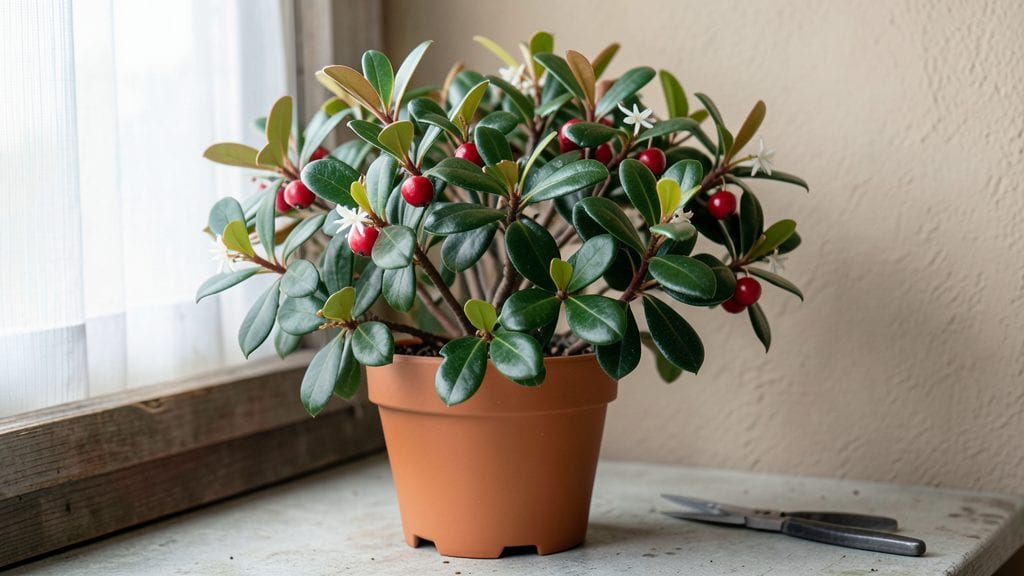
The Clusia indoor plant thrives where most tropical plants fail—dim corners, inconsistent watering, even dry air. 🌿 I’ve kept mine alive through office moves, blackout curtains, and forgetful watering schedules, and it’s still lush and green. The secret lies in its resilience, not perfection.
This plant handles low light better than most, though it rewards brighter spots with glossier leaves. Water only when the top inch of soil feels dry—overwatering is the #1 killer—and use well-draining soil to prevent soggy roots.
Humidity isn’t critical, but occasional misting keeps the leaves vibrant, especially in winter when indoor air gets dry.
You’ll notice new growth within weeks of proper care, and those dark green, leathery leaves become a statement piece in any room. Prune leggy stems to encourage bushiness, and propagate with stem cuttings for free plants.
Even the most neglected Clusia bounces back—it’s the ultimate "set it and forget it" houseplant.
Perfect for beginners, urban apartments, or anyone tired of fussy plants. Let’s get yours thriving without the guesswork—it’s easier than you think.
📚 In This Guide
- What you need
- Instructions
- Tips and common mistakes
- Wrapping up and next steps
What you need
- ● Clusia plant: A healthy Clusia rosea or Clusia grandiflora (potted or cutting).
- ○ Optional: Seeds (if propagating from scratch—germination takes patience!).
- ● Pot: 1 6–12-inch diameter pot with drainage holes (terracotta or ceramic preferred).
- ○ Optional: A decorative cache pot (1–2 inches larger) for a polished look.
- ● Well-draining soil: 1 2–3 gallons of a peat-based or cactus/succulent mix (amend with 20% perlite or pumice for aeration).
- ● Pro tip: Avoid heavy garden soil—Clusia hates soggy roots! 🌡️
- ● Basic tools: 1 small hand trowel (for repotting).
- ● 1 spray bottle (for humidity adjustments).
- ○ 1 moisture meter (optional but helpful for tracking soil dryness).
- ● A bright, indirect-light spot (e.g., near an east or north-facing window). No direct sun!
- ● Moderate humidity (40–60% ideal). Mist leaves or use a pebble tray if your home is dry.
- ● Patience: Clusia grows slowly but rewards you with year-round glossy leaves and occasional flowers!
Step-by-Step guide to cultivating a thriving Clusia indoor plant
This resilient tropical beauty thrives with surprisingly little effort once you nail these key steps.
🌱 Step 1: Select the Right Container and Potting Mix
The clusia's thick roots need a pot with drainage holes—no exceptions. I use a 6-8 inch ceramic pot for my plants because it holds moisture well while allowing excess to escape. Avoid plastic containers; they trap too much humidity around the roots and encourage rot.
Fill the pot with a well-draining potting mix (equal parts peat moss, perlite, and orchid bark). The mix should feel light and airy—like crumbled styrofoam when squeezed. If you're repotting an existing clusia, gently loosen the root ball before transferring to avoid compacting the fresh mix.
💧 Step 2: Master the Watering Routine
Clusias store water in their leaves, so they hate soggy soil. Water only when the top 2 inches of soil feel completely dry—stick your finger in to check. During summer, this might mean watering every 7-10 days; in winter, stretch it to every 2-3 weeks. Always water until it drains freely from the bottom holes.
Here's the thing—overwatering is the #1 killer. If the leaves start yellowing or feel mushy, you're watering too often. Let the plant tell you when it's thirsty: droopy leaves that perk up after a drink are normal, but crispy edges mean you're underwatering.
☀️ Step 3: Position for Bright, Indirect Light
Clusias crave bright, filtered light—think east or west-facing windows. A south window works too, but use a sheer curtain to diffuse the intensity. You'll know the light is right when the leaves stay deep green with no pale patches. Too little light? Leggy growth and sparse foliage. Too much? Brown leaf tips.
Rotate the pot quarter-turn weekly to prevent uneven growth toward the light source. I notice my clusias grow most evenly when they get 4-6 hours of morning sun paired with afternoon shade. Artificial grow lights work in a pinch, but they can't replicate the full spectrum clusias prefer.
🌿 Step 4: Fertilize Lightly During Growing Season
Feed your clusia once monthly from spring through summer with a balanced liquid fertilizer (10-10-10 ratio). Dilute it to half-strength—these plants are sensitive to salt buildup. Skip fertilizing in fall and winter when growth slows naturally. The key is consistency: better to underfeed than overfeed.
Watch for fertilizer burn—white crusty deposits on soil or brown leaf edges. If you see this, flush the soil by watering thoroughly 3 times in one week to leach out excess salts. I always mix fertilizer with water in a separate container first to ensure even distribution.
✂️ Step 5: Prune and Propagate for Fullness
Prune leggy stems in late winter to encourage bushier growth. Cut just above a leaf node using clean, sharp scissors. Save the cuttings for propagation—root them in water or moist perlite until they develop roots (usually 4-6 weeks). The mother plant will reward you with fresh, vibrant growth within weeks.
Remove any yellow or damaged leaves immediately with the same clean scissors. Never let dead foliage linger—it attracts pests and blocks light from reaching new growth. I like to do a quick pruning every 3 months to maintain shape and encourage airflow throughout the plant.
Tips & tricks for perfect Clusia indoor plant care
Between us, these subtle tweaks make all the difference with clusias—especially when you're working with their sensitive tropical nature. The details here will help you avoid common pitfalls and get that lush, vibrant growth everyone loves.
Container Selection Wisdom: While a 6-8 inch ceramic pot works beautifully, consider upgrading to a slightly larger size (9-10 inches) if you notice roots circling the bottom after 18 months. The extra space gives your clusia room to establish before repotting again. For humidity-loving varieties, you can even nest the pot inside a decorative cache pot with pebbles—just ensure the inner pot still has drainage. The key is balancing moisture retention with airflow to prevent those dreaded root issues.
Watering Technique That Works: I've learned this the hard way after ruining three batches—always use room temperature water, never cold straight from the tap. The temperature shock stresses the plant, especially in Step 2 when you're checking soil moisture. Another pro move: water in the morning so excess can drain completely before evening humidity sets in. This prevents that mushy soil scenario we all fear.
Light Positioning Secrets: That 4-6 hours of morning sun recommendation in Step 3 is ideal, but here's what nobody tells you—if your clusia starts developing brown tips despite proper watering, it might be getting too much direct afternoon sun. Try moving it 2 feet back from the window or adding a sheer curtain. I've seen dramatic improvements in leaf quality within just 2 weeks of this adjustment. The goal is that perfect bright-but-filtered balance.
Fertilizer Application Strategy: When you're diluting that half-strength fertilizer in Step 4, I recommend mixing it in a separate container first rather than pouring it directly into the pot. This gives you better control over concentration and prevents accidental over-fertilizing. Also, consider using a spray bottle for foliar feeding—clusias actually absorb nutrients through their leaves too, and it's a great way to avoid soil burn while giving them that extra boost.
Pro Tips for Clusia Indoor Plant
- Between us, these subtle tweaks make all the difference with clusias—especially when you're working with their sensitive tropical nature.
- Container Selection Wisdom: While a 6-8 inch ceramic pot works beautifully, consider upgrading to a slightly larger size (9-10 inches) if you notice roots circling the bottom after 18 months.
- Watering Technique That Works: I've learned this the hard way after ruining three batches—always use room temperature water, never cold straight from the tap.
Frequently asked questions
Got questions about keeping your Clusia thriving? You’re not alone!
Here are answers to the most common queries—from care tips to troubleshooting—so you can enjoy this stunning indoor plant with confidence.
How often should I water my Clusia indoor plant?
Water your Clusia only when the top 1–2 inches of soil feel completely dry—usually every 10–14 days. Overwatering is the #1 killer! Use well-draining soil and a pot with drainage holes to prevent soggy roots. In winter, reduce watering to every 3–4 weeks since growth slows.
Why are the leaves turning yellow or dropping?
Yellowing or dropping leaves usually signal overwatering or low light. Check the soil moisture first—if it’s damp, hold off on watering. Move your plant to a brighter spot (but avoid harsh direct sun). Clusia also drops leaves if it’s too cold (<50°F). Keep it in a warm, humid spot (60–80°F) for best results!
Can Clusia survive in low-light conditions?
While Clusia tolerates medium to bright indirect light, it struggles in deep shade. Leaves may stretch (etiolation) or lose color. If your space is dim, place it near an east-facing window or supplement with a grow light (12–14 hours/day). Avoid dark corners—this plant craves some light to thrive!
What’s the best soil mix for Clusia?
Use a well-draining mix like:
- 50% peat moss or coco coir
- 30% perlite or pumice
- 20% orchid bark or sand
How do I deal with pests like spider mites or mealybugs?
Inspect leaves regularly! If you spot pests:
- Wipe leaves with a neem oil solution (1 tsp neem oil + 1 quart water + drop of dish soap).
- Use a soft cloth dipped in soapy water to remove mealybugs.
- Isolate the plant to prevent spreading.
Wrapping up and next steps
The Clusia indoor plant is your perfect low-maintenance companion—bringing vibrant foliage and easy care to any space! 🌿 With its resilience, air-purifying benefits, and stunning year-round appeal, it’s the ideal choice for busy plant lovers.
Whether you’re a beginner or a seasoned gardener, this tropical beauty thrives with minimal effort, making it a rewarding addition to your home.
Ready to bring home your own? Visit a local nursery or shop online—then pick your favorite pot and enjoy the lush, hassle-free greenery! 🌱