
Planting
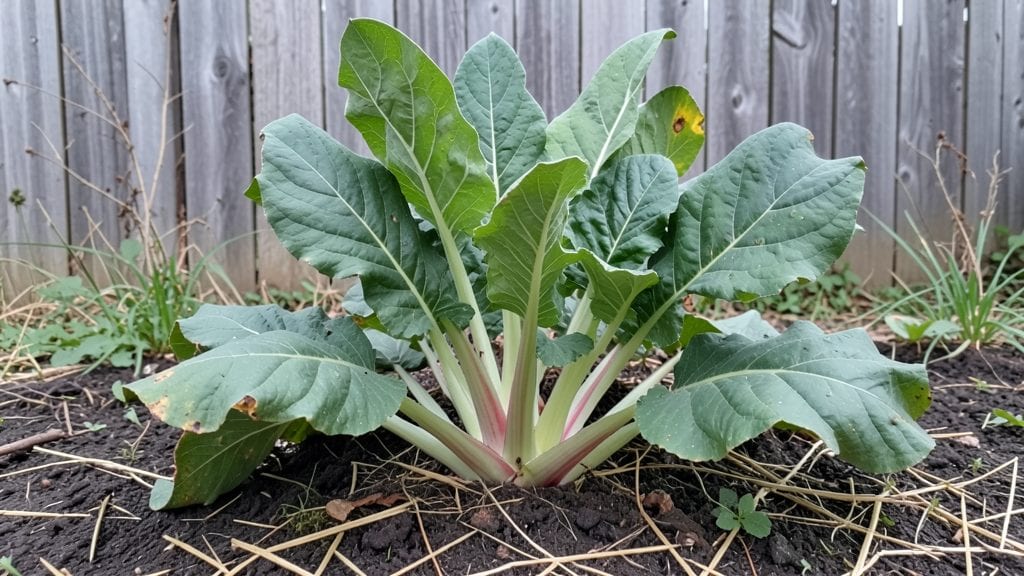
Rhubarb plant problems like yellowing leaves and rot can turn your garden from productive to pathetic in weeks—but I’ve fixed these exact issues in my own patch. The key is catching the signs early and acting fast, whether it’s adjusting water, improving drainage, or treating pests before they spread.
Most issues start with overwatering or poor soil, which leads to crown rot or nutrient deficiencies. I’ve seen rhubarb plants recover completely in 2-3 weeks once the root zone gets the right balance of moisture and airflow.
The worst offenders? Slugs, aphids, and fungal diseases hiding in damp foliage—all of which respond to simple fixes.
You’ll learn to spot the difference between normal spring dieback and actual trouble, plus three quick fixes that work in most climates. By the end, your rhubarb will be sturdy, vibrant, and ready to produce those tart stalks you love—without the frustration.
Works for both in-ground beds and containers, and the solutions scale from small home gardens to larger plots. Let’s get those plants back on track before another season slips away.
Root Causes Of Rhubarb Struggles
Rhubarb plants, with their vibrant stalks and hardy nature, can still fall prey to a variety of issues—often due to factors beyond just poor luck. Understanding why problems like leaf yellowing or rot occur is the first step toward fixing them.
Below, we break down the science behind the most common culprits, so you can address the root (literally!) of the issue.
Rhubarb thrives in moderately moist soil but hates soggy conditions. When water pools around the roots—whether from overzealous watering or compacted, clay-heavy soil—it triggers a cascade of problems:
- Oxygen deprivation: Roots need oxygen to respire (yes, plants "breathe" too!). Waterlogged soil cuts off this airflow, suffocating roots and leading to anaerobic conditions, which produce toxic byproducts like ethanol and acetic acid.
- Fungal infections: Excess moisture creates the perfect breeding ground for pathogens like Phytophthora and Rhizoctonia, which cause root rot and leaf yellowing. Look for mushy, discolored roots or stems as telltale signs.
- Nutrient leaching: Overwatered soil washes away essential nutrients (like nitrogen and potassium), leaving your rhubarb malnourished and stressed.
Why it happens: Heavy clay soils, improperly sloped garden beds, or watering on a rigid schedule (without checking soil moisture) are prime offenders. Even well-draining soil can become waterlogged if planted in a low-lying area where water pools.
Rhubarb is a cool-season crop, meaning it prefers temperatures between 50–75°F (10–24°C). When summer heat spikes or late frosts linger, the plant reacts poorly:
- Leaf scorch: High temperatures (>85°F/29°C) cause oxidative stress, where chlorophyll breaks down faster than it’s replaced. This leads to yellowing or brown "scorch" marks on leaf edges.
- Bolting: Sudden heat shocks can trigger premature flowering (called "bolting"), diverting energy from stalk production to seed development. Bolting stalks become tough, woody, and inedible.
- Root damage: Late spring frosts (<32°F/0°C) can kill emerging shoots or damage crowns, stunting growth for the entire season.
Why it happens: Rhubarb’s native range (temperate Europe and Asia) doesn’t include extreme heat or cold. Modern climates—especially in southern regions or during heatwaves—push it beyond its comfort zone. Even mulch can trap too much heat if applied too thickly.
Rhubarb isn’t a high-priority target for most pests, but a few troublemakers can wreak havoc, especially when the plant is already stressed:
🐛 Crown Borers (Rhubarb Curculio)
- What they do: Adult weevils lay eggs in the crown (the base of the plant). Larvae burrow into the crown, creating tunnels that disrupt nutrient flow and invite rot.
- Why it happens: Weevils are drawn to weakened plants, often those with poor drainage or nutrient deficiencies. They’re most active in late spring to early summer.
🍄 Fungal Diseases (Like Leaf Spot or Powdery Mildew)
- What they do: Fungi like Cercospora (leaf spot) or Erysiphe (powdery mildew) thrive in humid, stagnant air and cause yellowing, spotting, or white powdery coatings.
- Why it happens: Fungal spores spread via water splashes (e.g., overhead irrigation) or wind. Poor air circulation—common in dense plantings—gives them a foothold.
🐜 Slugs And Snails
- What they do: These mollusks chew irregular holes in leaves, leaving behind silvery slime trails. Severe damage can defoliate plants, reducing their ability to photosynthesize.
- Why it happens: Slugs favor moist, shaded conditions and are most active at night. Overwatered gardens or mulch-heavy beds create their ideal habitat.
Rhubarb is a heavy feeder, meaning it demands consistent nutrients—especially nitrogen, potassium, and calcium. When the soil falls short or becomes unbalanced, problems arise:
- Nitrogen deficiency: Leaves turn pale yellow or yellow-green, with stunted growth. Nitrogen is critical for chlorophyll production and leaf expansion.
- Potassium deficiency: Causes yellowing at leaf edges (marginal chlorosis) and weak stalks. Potassium regulates water and nutrient transport.
- Calcium deficiency: Leads to blossom-end rot*-like symptoms (though in rhubarb, it manifests as soft, brown patches on stalks) and poor cell structure.
- Soil pH extremes: Rhubarb prefers pH 6.0–7.0. Soil too acidic (<5.5) locks out nutrients like phosphorus, while alkaline soil (>7.5) reduces manganese and iron availability, causing interveinal chlorosis (yellowing between veins).
Why it happens: Over time, soil depletes nutrients without replenishment. Heavy clay or sandy soils may also lack organic matter, reducing nutrient retention. Even "rich" compost can cause issues if it’s too high in nitrogen (e.g., fresh manure), burning roots.
By pinpointing the specific stressor—whether it’s a soggy root zone, a heatwave, or a hidden pest—you can tailor your fix. Next, we’ll dive into actionable solutions to revive your rhubarb and keep it thriving.
Quick fixes for rhubarb woes
When your rhubarb plant starts showing signs of distress—whether it’s yellowing leaves, mushy stems, or stunted growth—don’t panic! Most issues can be resolved with targeted care. Below, we’ve mapped out practical solutions for common rhubarb plant problems, along with prevention tips to keep your plants thriving for years to come.
Yellow leaves are often a cry for help from your rhubarb. Let’s diagnose and treat the root cause.
🔥 Overwatering or Poor Drainage
If the soil stays soggy, roots suffocate, leading to yellowing and rot.
- 💧 Adjust your watering: Water deeply but only when the top 1–2 inches of soil feel dry. Rhubarb prefers moisture but hates "wet feet."
- 🏗️ Improve drainage: Amend heavy clay soil with compost or sand. If planting in containers, use a mix with perlite or coarse sand.
- 🪴 Check the pot (if applicable): Ensure containers have drainage holes. If not, repot or add holes.
Prevention tip: 🌡️ Mulch around the base with straw or wood chips to regulate soil moisture without trapping excess water.
☀️ Too Much Sun or Heat Stress
Scorching sun can bleach leaves yellow, especially in hot climates.
- 🌳 Provide afternoon shade: Use shade cloth (30–50%) or plant near taller crops (like sunflowers or corn) to filter intense afternoon rays.
- 💦 Increase hydration: Water more frequently during heatwaves, aiming for 1–2 inches of water per week.
- 🌿 Trim affected leaves: Remove severely damaged leaves to redirect energy to healthier growth.
Prevention tip: ✨ Plant rhubarb in a location with morning sun and afternoon shade for optimal growth.
🍄 Fungal Diseases (Like Leaf Spot or Rust)
Yellow spots with black or brown edges? Fungal infections thrive in damp conditions.
- 🧼 Apply fungicide: Spray with a copper-based fungicide or neem oil every 7–10 days until symptoms improve.
- 🌬️ Improve airflow: Space plants 2–3 feet apart and prune nearby foliage to reduce humidity around leaves.
- 🗑️ Remove infected leaves: Prune and dispose of severely affected leaves away from the garden.
Prevention tip: 💡 Water at the base (not overhead) and avoid late-season planting, which delays drying.
Soft, mushy stems or blackened bases signal rot—usually from overwatering, bacteria, or poor soil conditions.
💦 Root Rot (From Overwatering)
Mushy stems and a foul smell? Your rhubarb’s roots are drowning.
- 🔪 Prune affected stems: Cut off rotten stems at the base with sterilized shears.
- 🏡 Repot or relocate: If in a container, repot with fresh, well-draining soil. For in-ground plants, dig up the crown, trim rotten roots, and replant in amended soil.
- 🚫 Hold off on watering: Let the soil dry out completely for a week before resuming a normal schedule.
Prevention tip: 🌱 Plant rhubarb in raised beds or on slopes to improve drainage.
🦠 Bacterial Soft Rot
Stems ooze when cut? This bacterial infection spreads quickly.
- 🧴 Sterilize tools: Clean pruners with rubbing alcohol between cuts to prevent spreading bacteria.
- 🗑️ Remove infected plants: Dig up and destroy severely affected plants (don’t compost them!).
- 🌿 Boost soil health: Add compost and avoid fresh manure, which can introduce more bacteria.
Prevention tip: 🎯 Rotate crops—don’t plant rhubarb in the same spot year after year.
If your rhubarb is growing slowly or producing small stalks, it’s often due to nutrient deficiencies or stress.
🍽️ Nutrient Deficiencies
Pale leaves or weak stems? Your rhubarb might be hungry.
- 📊 Test your soil: Use a DIY kit to check pH (ideal: 6.0–6.8) and nutrient levels.
- 🌱 Fertilize in spring: Apply a balanced, organic fertilizer (like 10-10-10) or compost around the base. Avoid high-nitrogen fertilizers, which promote leafy growth over stalks.
- 💚 Target specific deficiencies:
Symptom Likely Deficiency Fix Yellow leaves with green veins Nitrogen Add composted manure or a nitrogen-rich fertilizer. Purple or red stems/leaves Phosphorus Use bone meal or a phosphorus-rich fertilizer. Yellowing between veins Magnesium (chlorosis) Apply Epsom salt (1 tbsp per gallon of water) every 2 weeks.
Prevention tip: 💡 Mulch annually with compost to slowly release nutrients.
🌡️ Temperature or Transplant Shock
Newly planted rhubarb or sudden cold snaps can stunt growth.
- 🌡️ Protect from frost: Cover young plants with row fabric in late fall or early spring if frost is forecasted.
- 🌱 Wait to harvest: Avoid picking stalks for the first 2–3 years to let the plant establish a strong root system.
- 🌿 Gradual acclimation: If transplanting, harden off plants by exposing them to outdoor conditions for a week before planting.
Prevention tip: ✨ Plant rhubarb in spring (not fall) to give roots time to establish before winter.
Keep your rhubarb healthy with these proactive steps:
- ✅ Water wisely: Deep but infrequent watering beats shallow, daily sprinkles.
- ✅ Mulch well: Use 2–3 inches of organic mulch to retain moisture and regulate temperature.
- ✅ Prune properly: Cut stalks at ground level after harvest, but leave leaves to photosynthesize.
- ✅ Rotate crops: Avoid planting rhubarb in the same spot for more than 3–4 years.
- ✅ Monitor pests: Watch for slugs, aphids, or Japanese beetles and treat early with soapy water or neem oil.
Frequently asked questions about reviving rhubarb plants
Why are my rhubarb leaves turning yellow?
Yellowing leaves usually signal overwatering, poor drainage, or nutrient deficiencies. Check if the soil stays soggy—rhubarb roots need moisture but hate "wet feet." Test soil pH too; if below 6.0, add lime to improve nutrient uptake. Start by adjusting watering and amending heavy soil with compost.
Can I save a rhubarb plant with blackened, mushy stems?
Yes, but act fast! Prune away all rotted stems with sterilized shears, then repot (or amend in-ground soil) with fresh, well-draining mix. Withhold water for 5-7 days to let roots recover. If rot spreads to the crown, dig up the plant, trim healthy roots, and replant in a new spot.
How do I stop slugs from eating my rhubarb leaves?
Slugs love rhubarb’s tender leaves—create barriers with copper tape around pots or plant edges. In the evening, handpick slugs (drop in soapy water) or use organic bait like crushed eggshells. Mulch with coarse materials (like straw) instead of fine bark, which attracts slugs. Water in the morning so foliage dries quickly.
Is it okay to harvest rhubarb stalks the first year?
No! First-year plants need all their energy to establish roots. Wait until year 2 or 3 before harvesting, and even then, only take 10-20% of stalks. Cut at ground level, leaving leaves intact—they power the plant’s growth. Over-harvesting weakens the crown and reduces next year’s yield.
Why does my rhubarb bolt (flower) prematurely?
Bolting happens when rhubarb gets too hot or stressed. Provide afternoon shade in hot climates and avoid over-fertilizing with nitrogen (which encourages leafy growth). If it bolts, cut the flower stalks immediately—they drain energy from stalk production. For next year, plant in a cooler microclimate or use shade cloth during peak summer.