
Neem Oil
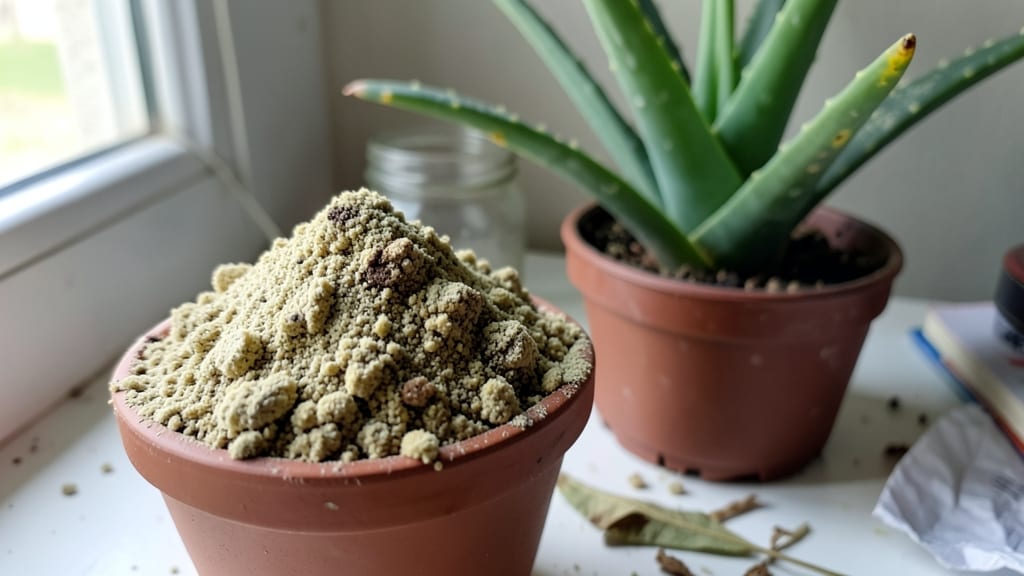
Neem oil won’t burn plants when used correctly—but one wrong move can turn your garden defense into a disaster. 🌱 I’ve seen neem oil work miracles on aphid-infested roses and turn into a sad, crispy mess on sensitive succulents. The difference? Concentration, timing, and plant type.
Most burns happen from using straight, undiluted neem oil or applying it in hot sun. Even organic products can scorch leaves if you skip the water mix or spray during peak heat.
The good news? With the right dilution—1 tablespoon per quart of water—and a light misting, you’ll protect plants while keeping pests at bay.
You’ll know it’s working when pests vanish but your plants stay vibrant, not wilted. Look for glossy leaves (not sticky residue) and steady growth. For sensitive plants like tomatoes or peppers, cut the concentration in half and test a small area first.
Confession: I once ruined a batch of basil by ignoring the dilution rule. Now I keep a spray bottle labeled "Neem Mix" and a backup of insecticidal soap for emergencies. The key is patience—neem oil works best when applied at dusk or dawn, never midday.
When Neem Oil Becomes Toxic
Neem oil is a natural powerhouse for gardeners—it fights pests, nourishes soil, and even boosts plant health. But when misapplied, it can burn plants, leaving behind yellowed leaves, wilting stems, or crispy edges. The good news? Most "burns" are preventable. Here’s why they happen—and how to avoid them.
Neem oil is potent, and concentration is key. When mixed at too high a strength (e.g., 5%+ pure neem oil in water), the active compounds—like nimbidin and nimbin—can overwhelm plant tissues. These compounds disrupt cell membranes, leading to:
- Leaf scorch: Brown or blackened edges, similar to heat damage.
- Stunted growth: Cells absorb too much oil, halting photosynthesis.
- Root burn (if soil-applied):** Over-saturated soil can suffocate roots, causing wilting.
Why it matters: Most commercial neem oil sprays are 1-2% concentration. DIY mixes often exceed this, especially if using 100% cold-pressed neem oil (which is not safe for direct spraying). Always dilute to 0.5–1% for foliar sprays and 1–2% for soil drenches.
Neem oil contains azadirachtin, a compound that increases plant sensitivity to UV light. When applied during:
- Peak sunlight (10 AM–4 PM): The oil acts like a magnifying glass, concentrating solar rays and causing phototoxicity (sunburn-like damage).
- Hot, dry conditions: Evaporation leaves residue that clogs stomata (leaf pores), trapping moisture and promoting fungal growth.
Science behind it: UV rays break down neem oil’s terpenes into free radicals, which oxidize plant cell walls. This is why even diluted neem oil can burn leaves if applied at the wrong time.
Neem oil doesn’t dissolve in water—it emulsifies. Without proper surfactants (wetting agents), oil droplets:
- Coat leaves unevenly: Thicker patches absorb faster, creating chemical burns where droplets pool.
- Repel water: Leaves become hydrophobic, preventing rain from rinsing off residue.
- Clog spray nozzles: Undiluted oil gumms up equipment, reducing efficacy and increasing risk of overapplication.
Common mistakes:
- Using dish soap (too harsh, can damage leaves).
- Skipping agitation (shaking the mix thoroughly).
- Mixing with hard water (minerals bind to oil, reducing spread).
Some plants are naturally more sensitive to neem oil due to:
- Thin cuticles: Plants like coleus, geraniums, or succulents absorb oils faster, leading to leaf blistering.
- Young or stressed plants: New growth has less waxy protection, making them prone to burns.
- Edible crops at harvest: Residue on lettuce, spinach, or herbs can leave a bitter taste or cause internal leaf damage.
Safe vs. risky plants:
🟢 Low-Risk (Tolerant)
🟡 Moderate-Risk (Use Caution)
🔴 High-Risk (Avoid or Test First)
Tomatoes, peppers, citrus, roses
Marigolds, basil, zucchini
Succulents, coleus, ferns, edibles at harvest
Neem oil’s effectiveness (and risk) depends on weather conditions:
- High humidity (>70%): Oil droplets stick longer, increasing absorption time and burn risk.
- Wind: Uneven coverage means some leaves get over-saturated while others miss the treatment entirely.
- Cold temperatures (<50°F/10°C): Plants metabolize slower, making them more vulnerable to oil residue.
Pro tip: Apply neem oil on overcast days or early morning (before 9 AM) to minimize UV exposure. Avoid spraying if rain is forecasted within 24 hours—residue can wash into soil and harm roots.
Fixing Neem Oil Damage Fast
If your plants are showing signs of neem oil burns—like yellowing leaves, crispy edges, or wilting—don’t panic! With the right steps, you can nurse them back to health and prevent further harm.
Below, we’ve mapped out practical fixes based on the most common causes, along with prevention tips to keep your garden thriving.
Fix: Dilute and rinse immediately.
- Dilute the residue – Mix a few drops of mild dish soap (like Dawn) with water and gently spray the affected leaves. This helps break down any lingering oil.
- Rinse with water – Use a soft spray bottle to wash off the solution. Avoid harsh streams that could damage tender foliage.
- Trim damaged areas – If leaves are severely crispy, snip them off with clean scissors to redirect the plant’s energy to new growth.
Prevention tip: 💡 Always follow the label’s dilution ratio (usually 1–2 tbsp per gallon of water). For sensitive plants, like succulents or citrus, cut the concentration in half.
Fix: Provide shade and hydration.
- Move plants to shade – Keep them out of direct sunlight for 24–48 hours to prevent further stress.
- Mist leaves – Lightly spray water on the foliage to help flush out any residual oil and cool the plant.
- Boost humidity – Place a tray of water nearby or use a humidifier if indoors.
Prevention tip: 🌡️ Apply neem oil in the early morning or late evening when temperatures are cooler, and avoid spraying on sunny days.
Fix: Adjust application timing and protect plants.
- If it rained soon after spraying – Rinse the plants with clean water to remove diluted neem oil.
- For heat stress – Trim any sun-scorched leaves and provide temporary shade with a light cloth or mesh cover.
- Reapply only when conditions are ideal – Wait for a cool, overcast day before treating again.
Prevention tip: ✨ Check the weather forecast before applying. Avoid neem oil if rain is expected within 6 hours.
Fix: Switch to a gentler formula or method.
- For sensitive plants (e.g., ferns, orchids, or young seedlings) – Use a neem oil spray with a lower concentration (1 tsp per gallon) or opt for neem cake powder (a slower-release alternative).
- Test a small area first – Apply neem oil to a hidden leaf and monitor for 24 hours before full treatment.
Prevention tip: 🎯 Research your plant’s tolerance level. Succulents, cacti, and citrus trees are especially prone to burns—use neem oil sparingly or not at all.
Fix: Purge and refresh.
- Discard old neem oil – If it’s cloudy, has a foul smell, or is past its expiration date (usually 1–2 years), toss it.
- Start fresh – Buy cold-pressed, organic neem oil from a reputable brand and store it in a cool, dark place.
Prevention tip: ⏰ Label your neem oil container with the purchase date to track its shelf life.
Fix: Target treatment carefully.
- Avoid spraying on flowers or fruits – If neem oil was applied to blooms or edible parts, rinse them thoroughly with water.
- Focus on leaves and stems – For future treatments, direct the spray only to the undersides of leaves (where pests hide) and avoid delicate growth points.
Prevention tip: 🔪 Use a fine mist sprayer for better control and less waste.
Final Thought: 🌱 Neem oil is a powerhouse for pest control, but a little caution goes a long way.
By adjusting your technique and timing, you can protect your plants without the risk of burns. Now that you’ve got the fixes, let’s move on to smart application tips to keep your garden safe and thriving!
Frequently asked questions
Why does neem oil sometimes cause leaf burn when it’s supposed to be natural?
Neem oil is concentrated and contains compounds like azadirachtin that can disrupt plant cells when applied improperly. The burn happens when you use too high a concentration (like undiluted oil) or apply it during hot sun—it acts like a magnifying glass, intensifying UV damage. Always dilute to 1 tablespoon per quart of water and spray in early morning or evening.
Can I use neem oil on edible plants like tomatoes or herbs?
Yes, but with caution! Neem oil is safe for edible plants when properly diluted and rinsed before harvest. For tomatoes and peppers, wait 1-2 days after spraying before eating. For herbs like basil or cilantro, avoid spraying entirely—use neem oil only as a soil drench instead. Always follow the 3-day waiting period before harvesting any treated plants.
What’s the best way to tell if my plants are getting burned by neem oil?
Look for brown or blackened leaf edges, crispy spots, or sudden wilting—these are classic signs. Another clue is stunted growth or yellowing between veins. If you see these symptoms, rinse the leaves with water immediately and move plants to shade. For severe cases, trim damaged leaves to help the plant recover.
Is it safe to mix neem oil with other pesticides like insecticidal soap?
No, mixing neem oil with other pesticides can reduce its effectiveness or even harm plants. Neem oil works best alone or with mild horticultural oil (like canola oil). If you need to combine treatments, apply them separately with 24 hours between applications. Always test a small area first to check for sensitivity.
How often can I safely apply neem oil without risking damage?
For most plants, apply neem oil every 7-14 days during pest outbreaks, but never more often than once every 5 days. Give plants a 2-week break between treatments to prevent buildup. For sensitive plants like succulents or citrus, reduce frequency to once every 3 weeks and use half the recommended concentration.