
Companion Plants
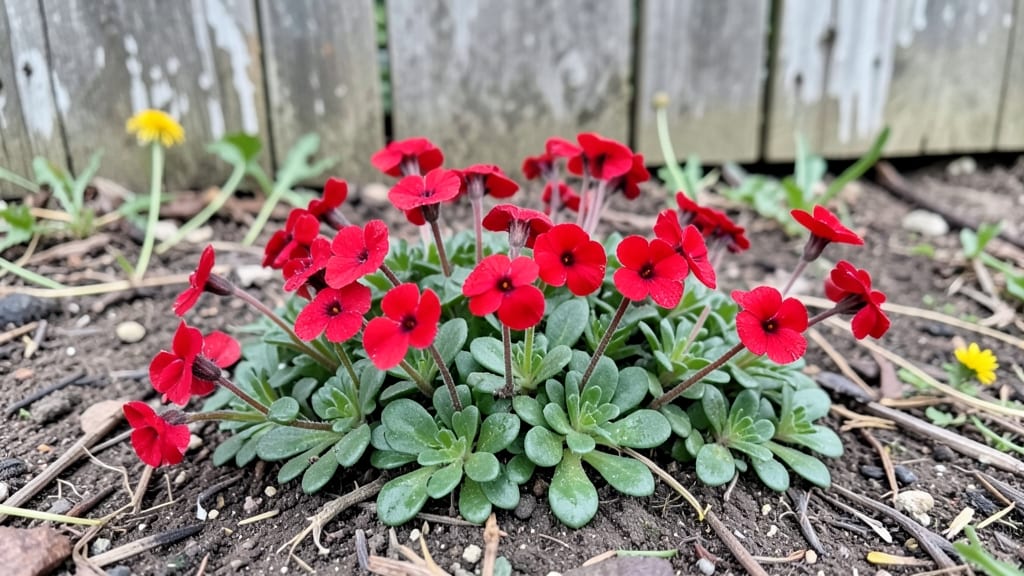
Growing red Aubrieta plants turns rocky slopes into vibrant, low-maintenance carpets of color. I’ve used it to dress up dry, sunny spots where nothing else would thrive, and the results are shockingly lush—bright red blooms from early spring until frost.
The secret lies in its love for sun and well-draining soil, which most gardeners overlook when planting ground covers.
You’ll need full sun (at least 6 hours daily), rocky or sandy soil, and minimal water once established. Aubrieta hates soggy roots, so amend heavy soil with gritty materials like perlite or coarse sand.
Plant in early spring or fall, spacing clusters 8–12 inches apart for that dense, velvety look. Water lightly after planting, then let nature take over—this plant practically grows itself once settled.
By summer, your Aubrieta will be a buzzing hub for pollinators, with tiny red flowers that contrast beautifully against dark foliage. Prune lightly in early spring to tidy up, but avoid heavy cuts—this plant thrives on neglect.
The real magic? It stays green and colorful even in winter, adding structure to gardens when little else does.
Perfect for slopes, between stepping stones, or as edging for paths. Once you try it, you’ll wonder why you didn’t fill every sunny corner with this foolproof ground cover. Here’s how to keep it thriving year after year.
📚 In This Guide
- What you need
- Instructions
- Tips and common mistakes
- Wrapping up and next steps
What you need
- ● Red Aubrieta plants: 6–12 mature plants (for a 4’ x 4’ area) OR
- ● Seeds (sow 10–15 seeds per square foot, thin to 6–8 inches apart)
- ● Well-draining soil: Mix 60% garden soil + 40% perlite/sand (or cactus/succulent mix for rocky slopes)
- ● Compost/fertilizer: 1–2 cups of balanced 10-10-10 or slow-release granular fertilizer per 10 sq. ft.
- ○ Mulch (optional but recommended): 1–2 inches of gravel or coarse bark to retain moisture and deter weeds
- ● Garden trowel or hand shovel
- ● Pruning shears (for shaping and deadheading)
- ● Watering can or hose with a gentle spray nozzle
- ● Gloves (to protect hands from prickly stems)
- ● Measuring tape or ruler (for spacing)
- ● Garden stakes or markers (to label plants if needed)
- ● A full-sun location (6+ hours of direct sunlight daily)
- ● Dry, well-draining soil (Aubrieta hates soggy roots!)
- ● Patience for slow establishment (seeds may take 2–3 weeks to germinate)
- ○ Optional: Drought-tolerant companions like lavender, sedum, or thyme for a cohesive look
How to plant and maintain vibrant red aubrieta ground cover
This hardy, drought-tolerant plant thrives in sunny spots and delivers bold color for months—here's how to get it growing strong.
Choose the Right Location for Full Sun Exposure
Red aubrieta demands at least 6 hours of direct sunlight daily to maintain its deep crimson blooms. I always scout the site first—look for areas where other sun-lovers like lavender or sedum already thrive. Avoid spots with afternoon shade, as this causes the foliage to stretch and lose its vibrant color.
Test the soil by digging a 6-inch hole—if the ground feels compacted or stays soggy for more than an hour after watering, you'll need to improve drainage. Amend heavy clay with 2-3 inches of coarse sand or grit mixed into the top 12 inches of soil. The plant's shallow roots can't tolerate waterlogged conditions, so prioritize well-draining soil above all else.
Prepare the Soil for Optimal Growth
Loosen the soil in a 12-inch wide by 12-inch deep area for each plant using a garden fork or trowel. Break up any clumps and remove rocks larger than a quarter. The goal is a fine, crumbly texture that lets roots spread easily—think of it like fluffing a pillow for your plants.
Work in 2-3 inches of compost or well-rotted manure into the top 6 inches of soil. This boosts nutrients without overwhelming the plant, which prefers lean conditions. Avoid fresh manure—it can burn the delicate roots. Sprinkle a ½ cup of balanced 10-10-10 fertilizer over the area and mix it in lightly. This gives the aubrieta a gentle nutrient kick without encouraging excessive leafy growth over flowers.
Plant with Proper Spacing for Full Coverage
Dig holes 8-12 inches apart—closer spacing encourages faster ground cover, but don't crowd them too tightly or they'll compete for sunlight. The holes should be just deep enough to accommodate the root ball without burying the crown (where stems meet roots). Gently remove each plant from its container and tease the roots apart if they're circling.
Place each plant in its hole, then fill around the roots with soil, pressing lightly to eliminate air pockets. Water deeply until moisture reaches 4 inches down—this helps settle the soil and encourages roots to spread outward. I like to water again 3 days later to prevent transplant shock. The key is keeping the soil consistently moist but never soggy during the first 2-3 weeks after planting.
Water and Mulch for Long-Term Success
Once established, red aubrieta is remarkably drought-tolerant, but new plants need consistent moisture. Water 1-2 times per week during the first growing season, aiming for 1 inch of water per week. You'll know it's enough when the top 2 inches of soil feel damp but not wet. Overwatering causes root rot, which is fatal for this low-growing plant.
Apply a 2-inch layer of mulch around each plant, keeping it 2 inches away from the stems to prevent moisture buildup. I use shredded bark or gravel—both allow water to penetrate while suppressing weeds. Replenish the mulch annually in early spring. This protects the plant's shallow roots from temperature swings and keeps the soil consistently moist without the risk of overwatering.
Prune and Maintain for Year-Round Color
After the first flush of blooms fades in late spring, trim back the foliage by one-third to encourage a second, often more vibrant flowering. Use clean, sharp pruners and cut just above a set of leaves. This keeps the plant compact and prevents it from becoming leggy. I always prune right after the first bloom cycle ends—usually in late May or early June—to trigger the next round of flowers.
In late fall, give the plant a light trim to remove any dead or yellowed leaves. This keeps it tidy and prepares it for winter. Red aubrieta is evergreen in mild climates, but in colder zones, it may lose some leaves. Don't worry—it bounces back quickly in spring. Fertilize lightly in early spring with a ½ cup of 10-10-10 fertilizer per 10 square feet to support new growth, but avoid heavy feeding, which can reduce flowering.
Tips & tricks for perfect red aubrieta planting and care
Here's what I've learned after years of growing vibrant red aubrieta—these simple tricks make all the difference for long-lasting color.
Sunlight is non-negotiable: That 6 hours of direct sunlight requirement in Step 1 is critical. I've seen aubrieta lose its deep crimson color when planted in areas with just 4-5 hours of sun. If your garden has limited full sun, consider using containers where you can move them to follow the sun throughout the day. Morning sun with afternoon shade can work, but the blooms won't be as vibrant.
Soil prep makes all the difference: When amending heavy clay soil as mentioned in Step 1, I recommend mixing in 1 part perlite to 3 parts sand along with the 2-3 inches of coarse grit specified. This creates the perfect drainage while maintaining moisture retention. The goal is soil that feels like a well-drained cake batter—not too dry, but definitely not muddy.
Planting depth matters: In Step 3, when placing your aubrieta, make sure the crown sits just above soil level. Burying it too deep can cause rot, while planting too high may expose roots. I like to use a small stick to mark the planting depth alongside the hole before adding the plant—this visual guide helps maintain consistency across multiple plants.
Watering wisdom for new plants: The 2-3 weeks of consistent moisture after planting is crucial, but timing matters. I water deeply in the morning so the soil has all day to absorb moisture before evening. This prevents fungal issues that can occur when leaves stay wet overnight. Use a rain gauge or measuring cup to ensure you're delivering that 1 inch per week—eyeballing often leads to under- or overwatering.
Pro Tips for Red Aubrieta Plants
- Here's what I've learned after years of growing vibrant red aubrieta—these simple tricks make all the difference for long-lasting color.
- Sunlight is non-negotiable: That 6 hours of direct sunlight requirement in Step 1 is critical.
- Soil prep makes all the difference: When amending heavy clay soil as mentioned in Step 1, I recommend mixing in 1 part perlite to 3 parts sand along with the 2-3 inches of coarse grit specified.
Frequently asked questions
When is the best time to plant red aubrieta?
Plant red aubrieta in early spring or fall when temperatures are mild (50–70°F). Avoid extreme heat or frost, as tender seedlings struggle in either. For containers, you can plant anytime the soil isn’t frozen, but spring kickstarts faster blooms!
How often should I water red aubrieta?
Water deeply but infrequently—about once a week in dry spells (adjust for rain). Once established, aubrieta is drought-tolerant, but new plants need consistent moisture to root. Overwatering can cause rot, so let the top inch of soil dry out between waterings.
Are red aubrieta plants prone to pests or diseases?
Generally hardy, but watch for aphids, spider mites, or powdery mildew in humid conditions. Prevent pests with neem oil or insecticidal soap. Improve airflow by spacing plants 6–12 inches apart. If mildew appears, prune affected leaves and avoid overhead watering.
Can I grow red aubrieta in containers or hanging baskets?
Aubrieta thrives in containers with well-draining soil and a south-facing spot. Use a mix of potting soil and perlite for airflow. For hanging baskets, plant in spring and deadhead spent blooms to encourage cascading color. Just ensure pots have drainage holes!
How do I overwinter red aubrieta in cold climates?
Most varieties are perennial in USDA zones 5–9, but mulch with 2–3 inches of straw or shredded leaves in late fall to protect roots. In zones 4 or colder, grow aubrieta as an annual or pot it up and move indoors (like a succulent) for winter.
What can I plant with red aubrieta for a stunning combo?
Red aubrieta pairs beautifully with:
- Silver foliage (e.g., Helichrysum or Artemisia) for contrast
- Purple or blue flowers (e.g., Thymus serpyllum or Ajuga) for a striking combo
- Rocks or gravel to highlight its trailing habit in alpine gardens
Wrapping up and next steps
Ready to transform your garden into a vibrant, low-maintenance paradise? Red Aubrieta plants are your perfect sun-loving companion—packed with year-round color, drought tolerance, and effortless charm! 🌸 Whether you’re spilling them over walls, lining pathways, or brightening containers, their bold red blooms will steal the show while keeping weeds at bay.
Now that you’re armed with care tips and answers to common questions, take the next step: grab some seeds or seedlings, pick your spot, and let nature do the rest. Happy planting—your garden’s about to get a whole lot more wow! 🌞