
Pruning
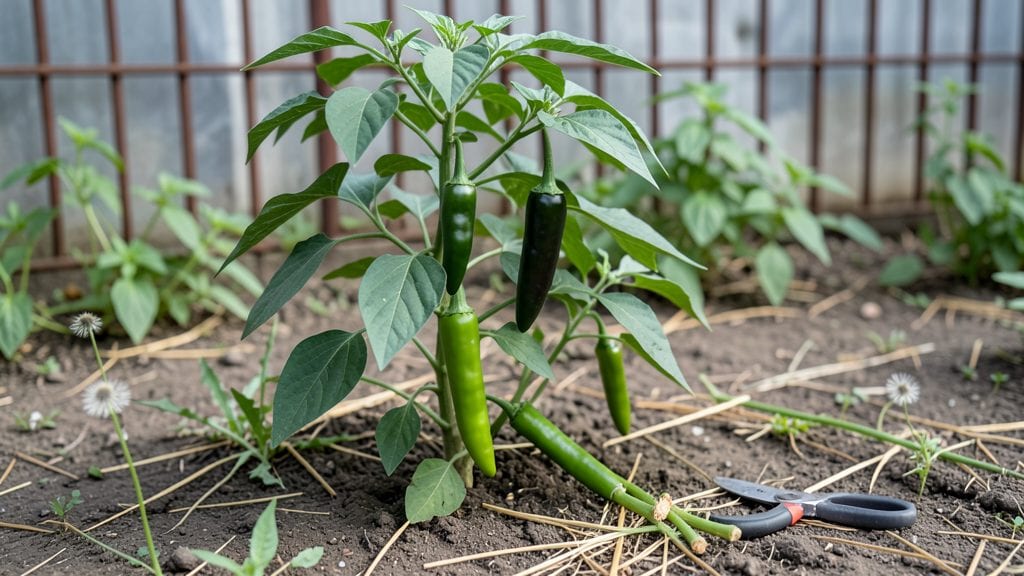
Trimming jalapeño plants isn’t just about keeping them tidy—it’s the secret to year-round harvests and plants that outperform their unpruned neighbors. 🌱 I used to think pruning was optional until I saw my first jalapeño plant produce three times more peppers after just two cuts.
The key is timing: remove suckers early, shape the plant mid-season, and give it a final trim before winter to boost next year’s growth.
You’ll need sharp pruning shears, a clean cutting surface, and about 15 minutes of focused work. Start by snipping off those little shoots (suckers) that grow between the main stem and branches—they drain energy from your peppers.
Then, trim back any leggy growth to encourage bushier, more productive plants. Think of it like giving your plant a haircut: you’re not just cutting, you’re shaping it for maximum output.
The payoff is immediate and delicious: more peppers, bigger yields, and plants that stay healthy longer. My jalapeños now produce throughout the year, even in cooler months, because the right cuts keep them energized. Plus, the plants handle stress better—drought, heat waves, or pests—because pruning strengthens their structure.
This method works for container-grown plants or garden beds, and it’s just as effective for first-time gardeners as it is for veterans. The only rule? Don’t overdo it—prune with purpose, and your jalapeños will reward you with bold, consistent harvests all season long.
📚 In This Guide
- What you need
- Instructions
- Tips and common mistakes
- Wrapping up and next steps
What you need
- ● Pruning shears or scissors: Sharp, clean bypass pruners (4-6 inch blades) for precise cuts. Avoid dull tools—they crush stems!
- ● Gloves: Heavy-duty gardening gloves (nitrile-coated for extra protection) to shield hands from thorns and spicy sap.
- ● Disinfectant (70% isopropyl alcohol or bleach solution): 1 part bleach to 9 parts water to sterilize tools between cuts and prevent disease.
- ● Compost bin or bag: A small container to collect trimmings for composting (jalapeño stems break down easily!).
- ● Permanent marker: Fine-tip for labeling pruned branches if propagating cuttings.
- ● Rooting hormone: Powder or gel to boost success if propagating cuttings from healthy stems.
- ● Plant ties or twine: Soft ties to secure leggy growth to stakes after pruning.
- ● Spray bottle with water: To mist cut stems if propagating indoors.
- ● Garden journal: To log pruning dates, plant health, and harvest notes.
Step-by-Step guide to trimming jalapeño plants for maximum yield
Here’s how to keep your peppers thriving year-round with strategic cuts that boost both harvest and plant health.
✂️ Step 1: Identify and Remove Suckers for Stronger Growth
Suckers are the small shoots that grow in the crotch between the main stem and a branch. These energy vampires divert nutrients from your peppers, so snip them off at the base with clean, sharp pruning shears. I check for suckers every 2-3 weeks—they’ll appear as tiny offshoots about ½ inch long.
Use a 45-degree angle cut just above the leaf node where the sucker emerges. This prevents water from pooling and reduces infection risk. Avoid cutting too close to the stem, or you’ll damage the plant’s vascular system. Strong plants develop thick, sturdy stems after consistent sucker removal.
🌿 Step 2: Prune Lower Leaves to Improve Airflow and Light Penetration
Start by removing any yellow or diseased leaves first—they’re a magnet for pests and fungi. Then, trim the lowest 6-8 inches of foliage to create space between plants. This isn’t just about aesthetics; better airflow prevents humidity buildup, which is the #1 cause of pepper blight.
Focus on leaves that block sunlight from reaching the fruit. You’ll see peppers ripen faster and more uniformly after this step. Use your fingers to gently pinch off smaller leaves rather than cutting—it’s less traumatic for the plant. If you notice any signs of powdery mildew (white fuzzy spots), remove those leaves immediately and sterilize your tools with rubbing alcohol.
🌱 Step 3: Pinch Back New Growth to Encourage Bushier Plants
Once your jalapeños reach about 18-24 inches tall, look for the topmost set of leaves where new growth is emerging. Pinch off the top ¼ inch of stem just above a leaf node. This signals the plant to branch out instead of growing tall and leggy.
I repeat this every 4-6 weeks during the growing season. The goal is to create a bushier plant with more fruiting sites. You’ll know you’re doing it right when you see multiple side branches forming within 2-3 weeks. Avoid over-pruning—never remove more than ⅓ of the plant’s foliage at once, or you’ll shock the root system.
⏰ Step 4: Harvest and Prune Mature Peppers for Continuous Production
Pick peppers when they’re 3-4 inches long and firm to the touch for the best flavor and to encourage new fruit. Use pruning shears to cut the stem just above the fruit, leaving a tiny ½-inch stem attached. This prevents the plant from wasting energy resealing a larger wound.
After harvest, inspect the plant for any branches that have stopped producing or are overcrowded. Trim back these branches to 6-8 inches from the main stem. You’ll see a surge in new growth within 10-14 days, often with multiple peppers forming in the vacated space. This is how you keep your plants productive well into fall and even winter in warm climates.
☀️ Step 5: Winter Pruning for Cold-Climate Survival
If you’re growing in a region with freezing temperatures, prune back your jalapeños in late fall to 12-18 inches tall. Remove all but the strongest branches and cut just above a leaf node. This reduces the plant’s size, making it easier to protect with mulch or row covers during winter.
Apply a 2-3 inch layer of mulch around the base to insulate roots. In spring, you’ll see new shoots emerge from the base of the plant—these are your signal to start fertilizing lightly and resuming regular pruning. Jalapeños are perennial in warm climates, so proper winter pruning sets them up for another year of heavy production.
Tips & tricks for perfect jalapeño plant trimming
These precision techniques will transform your jalapeño plants from sporadic producers to year-round pepper powerhouses.
Timing Secret: The 2-3 week sucker removal schedule in Step 1 works best when paired with morning inspections. Early morning light makes suckers more visible, and you'll catch them before they siphon too much energy. I've found that plants pruned in the morning recover faster from the stress of cutting.
Technique Tip: For the 45-degree angle cut in Step 1, imagine you're slicing a wedge of cheese - the angle should be sharp enough to avoid tearing but shallow enough to prevent deep cuts. Sterilize your pruning shears between cuts with rubbing alcohol to prevent spreading any potential fungal spores that might be hiding on diseased leaves.
Make-Ahead Strategy: You can prune your jalapeños up to 2 weeks in advance of expected frost in cold climates, but only if you're planning to overwinter them. Store cut branches in a cool, dark place with damp paper towels wrapped around the cut ends. This gives you fresh transplant material in spring without starting from seed.
Common Mistake Fix: If you notice your plant suddenly dropping leaves after pruning, you've likely removed too much foliage at once. Remember the ⅓ rule from Step 3 - never trim more than one-third of the plant's leaves in a single session. The plant needs that foliage to continue photosynthesizing while it recovers from the pruning shock.
Pro Tips for Trim Jalapeno Plant
- These precision techniques will transform your jalapeño plants from sporadic producers to year-round pepper powerhouses.
- Timing Secret: The 2-3 week sucker removal schedule in Step 1 works best when paired with morning inspections.
- Technique Tip: For the 45-degree angle cut in Step 1, imagine you're slicing a wedge of cheese - the angle should be sharp enough to avoid tearing but shallow enough to prevent deep cuts.
Frequently asked questions
about trimming jalapeño plants—because even the greenest thumbs need a little clarity! Here are answers to the most common questions to keep your peppers thriving and your harvests bountiful.When is the best time to trim a jalapeño plant?
Trim your jalapeño plant year-round (if grown indoors) or during the growing season (spring to fall for outdoor plants). Focus on removing spent flowers or fruit clusters after harvest to encourage new growth. Avoid heavy pruning in winter if your plant is dormant—just tidy up dead or diseased foliage.
Should I cut off the flowers or the fruit?
Trim both! Remove spent flowers (those that haven’t set fruit) to redirect energy to new blooms. For fruit, snip jalapeños when they’re firm and green (or slightly red, depending on preference). Cut the stem just above the fruit to avoid damaging the plant. Pro tip: Use clean, sharp shears to prevent disease!
What if my jalapeño plant looks leggy or sparse?
Leggy or sparse growth often means your plant needs more light or pruning. Trim back overgrown stems to encourage bushier growth, focusing on the lower leaves to improve airflow. If outdoors, ensure 6–8 hours of sunlight daily. For indoor plants, supplement with grow lights if needed.
Can I regrow a jalapeño plant from a cutting?
After trimming, save healthy stems (4–6 inches long) with at least 2–3 leaves. Remove lower leaves, dip the cut end in rooting hormone, and place in water or moist soil. Keep in bright, indirect light until roots form (2–4 weeks). Once rooted, transplant to a pot with well-draining soil—your plant will be ready for another harvest!
Why are my jalapeños turning yellow or dropping?
Yellowing or dropping peppers often signal overwatering, underwatering, or pests. Check soil moisture (it should be dry 1–2 inches down) and inspect for aphids or spider mites. Prune affected leaves immediately and adjust watering. If the issue persists, consider repotting or fertilizing with a balanced, pepper-friendly blend.
Wrapping up and next steps
Trimming your jalapeño plant isn’t just about keeping it tidy—it’s the secret to a bountiful, year-round harvest! 🌱 By mastering the right techniques—pruning suckers, pinching back growth, and removing spent flowers—you’ll encourage healthier plants, bigger peppers, and fewer pests.
With patience and precision, you’ll enjoy fresh, fiery jalapeños straight from your garden all season long.
Ready to level up your gardening game? Start small: Try trimming one plant this week, observe how it responds, and adjust your approach. Before you know it, you’ll be the proud grower of the spiciest (and most productive) jalapeños on the block! 🌶️✨