
Pruning
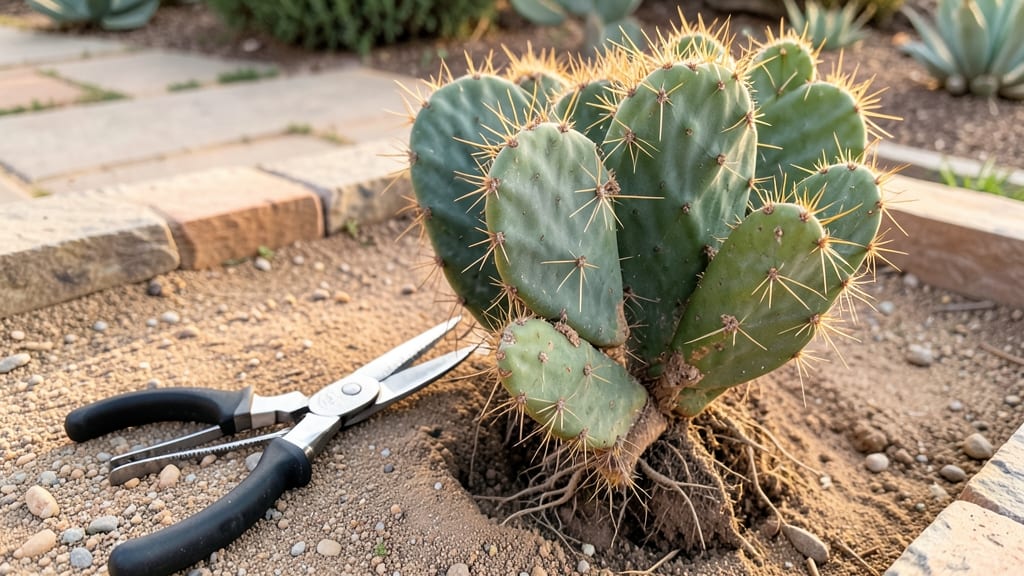
Pruning cactus plants isn't just about shaping—it’s about unlocking their full potential. I learned the hard way that skipping this step means fewer blooms and slower growth, but the right cuts can turn a scraggly plant into a thriving, flower-covered centerpiece.
The key is timing and technique, and once you master it, your cactus will reward you with vibrant new growth and stunning blooms year after year.
You’ll need just a few simple tools: sharp, clean pruning shears or a knife, rubbing alcohol to sterilize them, and gloves to protect your hands from those pesky spines.
The best time to prune is right after a cactus finishes blooming, usually in late spring or early summer, when the plant is actively growing. Avoid pruning in winter, as the plant is dormant and won’t heal well.
Start by removing any dead, damaged, or diseased segments first—they’re not just unsightly, they can spread problems to the rest of the plant. Then, cut back leggy or overly long arms to encourage a fuller shape, but never trim more than a third of the plant at once.
The right cuts promote thicker growth and more blooms, turning your cactus into a showstopper. Just be patient—new growth takes time, but the results are worth it.
After pruning, let the cuts dry out for a few days before repotting any cuttings. Place them in a warm, bright spot with indirect light, and avoid watering until new roots form.
With the right care, those cuttings can grow into brand-new plants, giving you even more cactus real estate. It’s like getting a second garden for free!
📚 In This Guide
- What you need
- Instructions
- Tips and common mistakes
- Wrapping up and next steps
What you need
- ● Sharp, clean pruning shears or scissors: Choose sterilized tools (rubbing alcohol or bleach wipe) to prevent disease. A bypass pruner (for larger pads) or small bypass scissors (for delicate offsets) works best.
- ● Gloves (thick, cactus-specific or gardening gloves): Protect your hands from spines! Opt for 14–18 gauge leather or reinforced fabric.
- ● Rubbing alcohol (70% isopropyl) or bleach solution: Sterilize tools between cuts to avoid bacterial/fungal spread.
- ● Newspaper or cardboard: Lay down a protective layer to catch debris and spines during cleanup.
- ● Rooting hormone (gel or powder): Boosts success rate when propagating cuttings (e.g., Cloning Gel by Dyna-Gro).
- ● Small pots with well-draining soil: 2–4 inch pots for propagating offsets (use cactus/succulent mix + perlite).
- ● Twine or plant ties: Secure large pads temporarily if they’re top-heavy post-pruning.
- ● Magnifying glass: Helps spot tiny spines or rot on older cacti.
- ● Timing: Prune after blooming (spring/summer) or during active growth. Avoid winter dormancy.
- ● Weather: Choose a warm, dry day (70–85°F) to minimize stress on the plant.
- ● Patience: Let cuts dry for 1–3 days before repotting or propagating.
Instructions for pruning cactus plants
Pruning cactus plants isn't just about shaping—it's about encouraging health and blooms. Here's how to do it safely and effectively.
Gather the Right Tools and Safety Gear
Cactus spines are serious business—never prune barehanded. Grab a pair of sharp, clean pruning shears or a small saw for thicker stems. I always wear heavy-duty gardening gloves and safety goggles to protect my hands and eyes. The spines can break off and lodge in skin or eyes, so take this seriously.
Disinfect your tools with rubbing alcohol before and after pruning to prevent spreading disease between plants. A clean cut heals faster and reduces the risk of rot. If you're working with multiple cacti, wipe the blades between each plant to avoid cross-contamination.
Identify the Best Time and Sections to Prune
Prune cactus plants in late spring or early summer when they're actively growing. This timing gives them enough time to recover before winter dormancy. Look for leggy growth, dead or damaged sections, or stems that are growing away from the main plant—these are prime candidates for trimming.
Use a pencil or marker to outline where you'll make cuts before you start. This helps you visualize the shape you want and ensures you don't cut too much at once. For most cacti, cutting back by no more than one-third of the plant's height is safe. Over-pruning stresses the plant and can stunt its growth or prevent blooming.
Make Clean Cuts at the Right Angle
Hold the pruning shears at a 45-degree angle just above a node or a healthy section of the stem. A node is where leaves or branches naturally grow out—cutting here encourages new growth. Avoid cutting too close to the base, as this can damage the plant's vascular system and lead to rot.
For thicker stems, use a small saw to make a clean cut. Sawing allows for better control and reduces the risk of crushing the stem. After cutting, let the severed piece dry out for a few days before repotting it as a new plant. This prevents rot and gives the cut end time to callus over.
Handle the Pruned Sections Properly
Once you've made your cuts, place the pruned sections in a dry, shaded area for 3-5 days to allow the cut ends to callus over. This step is critical—it prevents moisture from entering the cut and causing rot. You can prop the cuttings upright in a small container filled with dry sand or perlite to keep them stable while they heal.
After the cuttings have callused, you can repot them in fresh, well-draining cactus soil. Water lightly after repotting, but avoid overwatering. The new plants will establish roots slowly, so be patient. Keep them in bright, indirect light for the first few weeks to reduce stress.
Care for the Pruned Plant Post-Trimming
After pruning, reduce watering for the first 2-3 weeks to give the plant time to recover. Cactus plants store water in their stems, so they don't need frequent watering. Wait until the soil is completely dry before watering again. Overwatering after pruning can lead to rot, especially if the cuts haven't fully healed.
Place your pruned cactus in a location with bright, indirect light for a few weeks to help it recover. Avoid direct sunlight immediately after pruning, as this can stress the plant. Once new growth appears, you can gradually reintroduce it to its usual light conditions. With proper care, your cactus will bounce back stronger and may even reward you with beautiful blooms.
Tips & tricks for pruning cactus plants
A few key strategies will help you prune your cacti like a pro while keeping them healthy and thriving.
Safety First: I can't stress this enough—cactus spines are no joke. Beyond gloves and goggles, consider using a long-handled tool if you're working with particularly spiny varieties. I once tried to rush through pruning without proper protection and ended up with spines embedded in my fingers for days. Trust me, it's not worth the risk. Also, keep a small container nearby to immediately dispose of any broken spines to avoid tracking them around your workspace.
Visualizing Your Cuts: Before making any cuts in Step 2, take a step back and examine your cactus from multiple angles. Use a pencil to lightly trace your planned cuts on a piece of paper first. This helps you visualize the final shape and ensures you're not accidentally removing too much growth. I learned this trick after over-pruning a prized cactus and having to wait an entire year for it to recover. The extra 5 minutes of planning saved me from months of frustration.
Proper Cutting Technique: When making those 45-degree angle cuts in Step 3, think of it like slicing a cake—you want a clean, even cut that won't tear the plant tissue. For stubborn stems, I've found that gently twisting the pruning shears while cutting helps prevent crushing. After cutting, immediately wipe your tools clean with rubbing alcohol again. This prevents any potential disease transfer between cuts, especially when working with multiple plants.
Callusing Made Easy: The 3-5 day callusing period in Step 4 can be tricky to remember, so I recommend marking your calendar or setting a phone reminder. During this time, keep your cuttings in a well-ventilated area away from direct sunlight. I've had success using small plastic plant trays with drainage holes to hold the cuttings upright. This keeps them stable while allowing air to circulate around the cut ends, which is crucial for preventing rot.
Pro Tips for Pruning Cactus Plants
- A few key strategies will help you prune your cacti like a pro while keeping them healthy and thriving.
- Safety First: I can't stress this enough—cactus spines are no joke.
- Visualizing Your Cuts: Before making any cuts in Step 2, take a step back and examine your cactus from multiple angles.
Frequently asked questions
Got questions about pruning your cactus plants? You’re not alone!
Here are some of the most common concerns—plus expert answers to keep your prickly pals thriving.
When is the best time to prune a cactus?
The ideal time to prune is after blooming (late spring to early summer) or during active growth in spring. Avoid pruning in winter—cacti are dormant and heal slowly. For desert cacti, wait until temperatures stabilize above 70°F (21°C) to prevent stress.
How do I prune a cactus without getting poked?
Safety first! Wear thick gloves (like leather or chainmail) and use long-handled tools. For small cuts, wrap the cactus in a towel or use pliers to grip the stem. If pruning large pads, consider wearing goggles—some spines can fly!
Can I propagate the cuttings from pruning?
Let cuttings dry for 2–3 days to callus over, then place them in well-draining soil (like a mix of cactus/succulent soil and perlite). Keep them in bright, indirect light until roots form—usually 2–4 weeks. Pro tip: Label your cuttings if you’re experimenting with varieties!
What should I do if my cactus starts rotting after pruning?
Rotting is often caused by overwatering or poor wound healing. Stop watering immediately, ensure the cut area is fully dry, and treat with a fungicide (like copper-based spray) if needed. Improve airflow around the plant and avoid placing it in damp spots.
Do I need to sterilize my pruning tools for cacti?
Yes! Sterilizing tools (with rubbing alcohol or a 10% bleach solution) prevents disease transmission between plants. Wipe blades before and after each use, especially if you’re pruning multiple cacti or other succulents.
Wrapping up and next steps
Pruning your cactus plants isn’t just about keeping them tidy—it’s a game-changer for their health, growth, and even those stunning blooms! 🌵✨ By mastering the right techniques, timing, and tools, you’ll encourage stronger roots, vibrant new growth, and a thriving desert beauty year-round.
Ready to put your new skills to work? Start with one plant this week—pick a healthy cactus, gather your tools, and give it a little trim. Watch as your green friend rewards you with bold, lush growth and maybe even a surprise flower or two! Happy pruning!