
Companion Plants
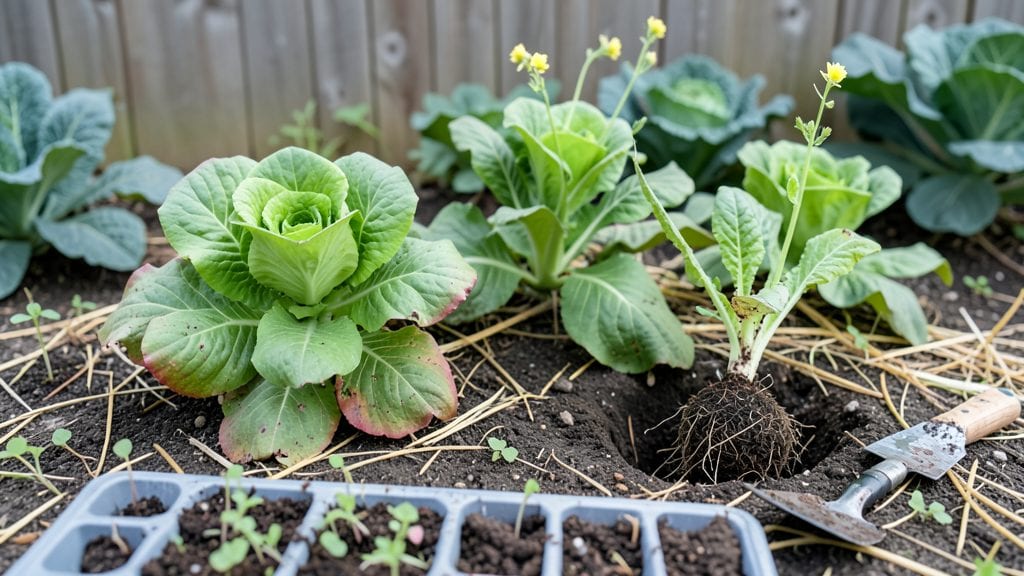
Thinning lettuce plants might sound like a harsh gardening chore, but it’s the secret to lush, productive greens that taste sweeter and grow faster. 🌱 I’ve learned the hard way—skipping this step leads to leggy, bitter leaves and stunted growth, no matter how much you water.
The key is timing and technique, and once you master it, your lettuce will reward you with crisp, flavorful harvests all season.
You’ll need sharp scissors or your fingers, a sunny spot with 6-12 inches between mature plants, and patience—especially if you’re growing varieties like romaine or butterhead that spread wider. The best time to thin is when seedlings have 2-3 true leaves, usually 3-4 weeks after sowing.
Pull or snip the weakest stems at soil level, leaving the strongest ones to thrive. Those thinned seedlings? Toss them into salads or transplant them to a shadier spot for baby greens.
When done right, thinning gives your lettuce more space to breathe, reducing disease risk and encouraging bushier growth. You’ll notice leaves staying crisp and vibrant instead of yellowing at the edges, and the flavor will be sweeter because the plants aren’t competing for nutrients.
The effort pays off in weeks, not days—so grab those scissors and get trimming!
This method works for all lettuce types, from loose-leaf to head varieties, and even applies to spinach and arugula. The only mistake I see often is thinning too late or too aggressively—go gradual, and your garden will thank you. Ready to transform your lettuce patch? Let’s dive into the steps!
📚 In This Guide
- What you need
- Instructions
- Tips and common mistakes
- Wrapping up and next steps
What you need
- ● Lettuce seedlings – Healthy, young plants (typically 1–2 inches tall) ready for thinning.
- ○ Garden gloves – A pair (optional but recommended to protect your hands from dirt and sharp edges).
- ● Pruners or sharp scissors – Clean, sterilized tools to avoid damaging plants or spreading disease.
- ● Small hand trowel or transplant tool – For gently loosening soil and removing seedlings.
- ● Watering can or hose with a gentle spray nozzle – To keep soil moist during and after thinning.
- ○ Compost or mulch (optional but helpful) – To replenish nutrients in the soil after thinning.
- ● Markers or stakes – To label rows or mark spacing guidelines (e.g., 6–12 inches apart for most lettuce varieties).
- ● Salad tongs or a small basket – For collecting thinned seedlings to compost or transplant elsewhere.
- ● Kneeling pad – For comfort if you’re working in the garden for extended periods.
- ● Sun hat or umbrella – To shield yourself from the sun while working outdoors.
Precision trimming for bushier, healthier lettuce
Here's how to transform a crowded lettuce patch into a lush, productive harvest.
🌱 Step 1: Wait for the Right Growth Stage
Don't rush thinning—wait until your lettuce seedlings reach 1-2 inches tall with two true leaves (the second set after the initial seed leaves). This usually happens 7-10 days after germination. You'll see them clustered tightly, competing for sunlight and nutrients, which stunts growth.
I like to thin on a mild morning after a light rain. The soil stays moist enough to handle without crushing stems, and the cooler temperatures reduce stress on the plants. Use a small hand trowel or your fingers to gently loosen the soil around the base of the seedlings before pulling.
✂️ Step 2: Thin to the Strongest Seedlings
Leave the healthiest, most vigorous seedlings spaced 6-8 inches apart in rows. Look for plants with bold, deep green leaves and thick stems—these are the winners. Thin to the strongest every 2-3 inches in the row, removing weaker seedlings at the base to avoid disturbing the roots of the ones you're keeping.
Real talk: It's tempting to save every sprout, but crowded lettuce grows bitter and leggy. I always thin to half the original number—this might seem harsh, but trust me, your harvest will thank you. Snip with clean scissors just above soil level to avoid uprooting nearby plants and creating gaps.
💧 Step 3: Water and Mulch After Thinning
Give the remaining seedlings a deep watering immediately after thinning to help them recover. Use a gentle stream from a watering can to avoid dislodging the soil around the roots. You'll see the soil settle around the base of the plants, which helps stabilize them and prevents wilting.
Spread 1-2 inches of mulch (like straw or shredded leaves) around the base to retain moisture and suppress weeds. This keeps the soil consistently moist, which lettuce loves, and prevents the surface from drying out too quickly. Mulch also blocks sunlight from reaching weed seeds, giving your lettuce an unfair advantage.
☀️ Step 4: Monitor and Maintain Spacing
Check your lettuce every 3-5 days for new growth. If you notice seedlings filling in the gaps, thin again immediately. Lettuce grows surprisingly fast, and what was once the perfect spacing can quickly become too crowded. You'll know it's time to thin again when you see leaves touching between plants or yellowing at the base from competition.
After thinning, keep the soil evenly moist but not soggy. Lettuce roots need consistent moisture to grow strong, but they'll rot if they're waterlogged. A light finger test—press your finger ½ inch into the soil—will tell you if it's time to water. If it feels dry, give it a drink; if it's damp, wait another day.
🌿 Step 5: Harvest Strategically for Continued Growth
Start harvesting outer leaves when they reach 3-4 inches long, cutting just above the next set of leaves. This encourages the plant to keep producing rather than bolting (going to seed). You'll see new growth appear within 3-5 days of harvesting, signaling that your thinning paid off.
If your lettuce starts to bolt (sending up tall flower stems), harvest the entire plant immediately. Bolted lettuce becomes bitter and tough, but it's still edible if used quickly. To prevent bolting, keep the soil consistently moist and provide partial shade during hot afternoons if temperatures rise above 80°F.
Tips & tricks for perfect lettuce thinning
These game-changing tips will help you transform your crowded lettuce patch into a thriving, productive garden.
The Right Time Matters: I can't stress enough how important it is to wait until your seedlings reach 1-2 inches tall with two true leaves before thinning. This usually happens around 7-10 days after germination, but don't rush—young seedlings are fragile and can be easily damaged. The mild morning after light rain is my secret weapon for stress-free thinning. The soil stays moist enough to handle gently, and cooler temperatures prevent shock to the plants.
Selection Strategy: When choosing which seedlings to keep, focus on the healthiest, most vigorous plants with bold, deep green leaves and thick stems. These are your winners! I always thin to half the original number and space them 6-8 inches apart. Don't be afraid to be ruthless—crowded lettuce grows bitter and leggy, and you'll thank yourself later when you're harvesting bushels of tender leaves.
Aftercare is Critical: Immediately after thinning, give your remaining seedlings a deep watering to help them recover. The key is to use a gentle stream to avoid dislodging the soil around the roots. Then spread 1-2 inches of mulch like straw or shredded leaves. This retains moisture, suppresses weeds, and gives your lettuce an unfair advantage by blocking sunlight from weed seeds. I've seen this simple step double my harvest!
Monitoring and Maintenance: Lettuce grows fast, so check your plants every 3-5 days for new growth. If you notice seedlings filling in the gaps or see leaves touching between plants, it's time to thin again. The ½-inch finger test is my go-to for checking soil moisture—press your finger into the soil, and if it feels dry, give it a drink. Keep that soil evenly moist but not soggy to prevent root rot while encouraging strong growth.
Pro Tips for Thinning Lettuce Plants
- These game-changing tips will help you transform your crowded lettuce patch into a thriving, productive garden.
- The Right Time Matters: I can't stress enough how important it is to wait until your seedlings reach 1-2 inches tall with two true leaves before thinning.
- Selection Strategy: When choosing which seedlings to keep, focus on the healthiest, most vigorous plants with bold, deep green leaves and thick stems.
Frequently asked questions
Got questions about thinning your lettuce? You’re not alone!
Here are answers to the most common concerns—so you can grow lush, healthy greens with confidence.
How do I know when to thin my lettuce plants?
Thin lettuce when seedlings are 2–3 inches tall and have 2–3 true leaves. Aim for spacing of 6–12 inches apart (depending on variety). If leaves touch, it’s time to act—crowding stresses plants and invites pests. Pro tip: Do this on a cloudy day to reduce transplant shock!
What’s the best way to thin lettuce—snip or pull?
Both work, but pulling by hand is gentler on the soil and roots of remaining plants. Use clean scissors only if you’re harvesting thinnings for salads (avoid crushing stems). Warning: Never yank—grab the base and tug slowly to avoid disturbing nearby plants.
Can I use thinned lettuce seedlings elsewhere?
Transplant thinnings
to a nearby spot in your garden (like between carrots or radishes) or pot them up for microgreens. Just ensure they’re hardened off (acclimated to sun/wind) first. Bonus: They’ll often bolting-resistant varieties like ‘Black Seeded Simpson’ thrive this way!
What if my lettuce bolts after thinning?
Bolting (sending up a flower stalk) happens due to heat, stress, or age. To prevent it:
- Choose slow-bolting varieties (e.g., ‘Romaine’ or ‘Buttercrunch’).
- Keep soil consistently moist (not soggy!).
- Harvest outer leaves early and often to delay maturity.
- Use shade cloth in hot climates.
How often should I check for overcrowding?
Monitor lettuce every 3–5 days once seedlings emerge. Fast-growing varieties (like leaf lettuce) need thinning sooner than head lettuce. Pro tip: Set a reminder if you’re new to gardening—overlooking thinning can reduce yield by 50%+!
Still stuck? Drop your question below—we’re happy to help you grow like a pro!
Wrapping up and next steps
Thinning your lettuce plants might feel like a small task, but it’s a game-changer for bigger, tastier harvests! By giving each plant the space to breathe, you’re setting the stage for healthier leaves, stronger roots, and fewer pests.
Remember, a little effort now means more delicious salads later—so grab those shears and get trimming! 🌱
Ready to take it further? Experiment with companion plants like radishes or carrots to maximize your garden’s potential. Happy growing!