
Pruning
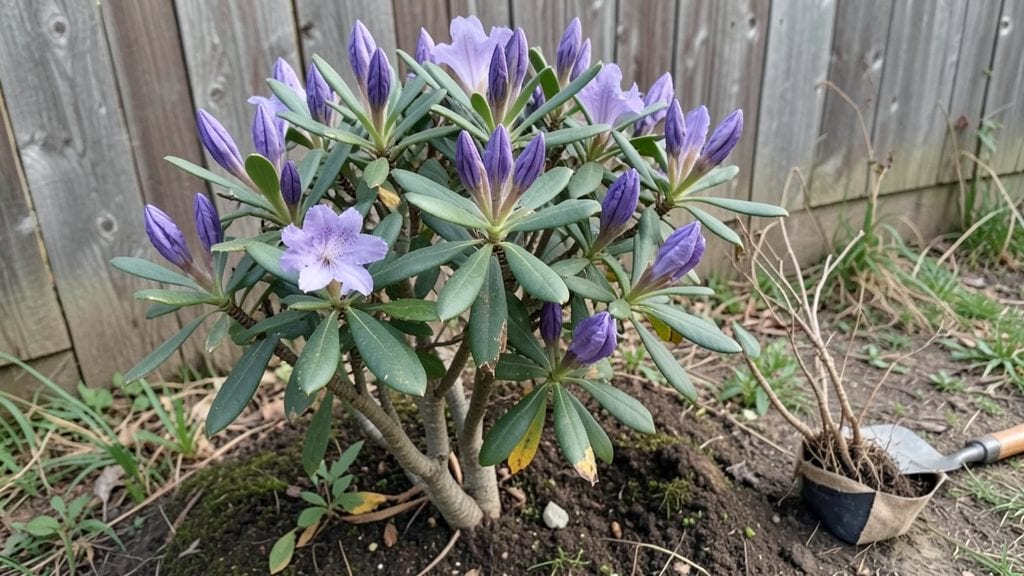
Planting a rhododendron bush starts with the right soil—these picky plants demand acidity, and I’ve learned the hard way that cutting corners here means wilted leaves by summer.
The secret isn’t just pine needles or sulfur; it’s a well-draining mix of peat moss, compost, and sand that mimics their natural woodland home. Most gardeners overlook the pH test, but a simple kit saves you from years of struggling with yellowing foliage.
Timing matters just as much as soil. Plant in early fall or late spring when roots can establish before extreme heat or cold, and choose a spot with morning sun and afternoon shade—too much direct sun scorches their delicate blooms.
Dig a hole twice as wide as the root ball but no deeper, then tease out any circling roots before setting it in. Water deeply right after planting to settle the soil, and you’ll see new growth within 4-6 weeks if done right.
After the first year, focus on mulching with pine bark or wood chips to lock in moisture and acidity, and prune only to shape—never to control size, as these bushes bloom on old wood.
The payoff? Clusters of vibrant pink, purple, or white blooms that return year after year with minimal fuss. Skip the shortcuts, and your rhododendron will thrive for decades.
Works in zones 4-8, but container growing extends their range—just use an acid-loving potting mix. The key is patience: these bushes reward long-term care with showstopping spring displays that outshine most garden center plants. Let’s get yours planted right the first time.
📚 In This Guide
- What you need
- Instructions
- Tips and common mistakes
- Wrapping up and next steps
What you need
- ● Rhododendron bush(es) – 1-3 plants (depending on desired spacing; 3-6 feet apart for mature size). Choose acid-loving varieties (e.g., Rhododendron 'Catawbiense' or 'PJM').
- ● Well-draining, acidic soil – Aim for a pH of 4.5-6.0. Test your soil with a garden pH test kit (available at garden centers).
- ● Organic mulch – 3-4 inches of pine bark, pine needles, or peat moss to retain moisture and acidify soil.
- ● Slow-release fertilizer – Acid-loving plant fertilizer (e.g., 10-10-10 or 8-3-9 with sulfur) for planting and early growth.
- ● Garden gloves – Heavy-duty, breathable (e.g., nitrile-coated) to protect hands from thorns and soil.
- ● Trowel or spade – For digging holes (2x wider and slightly shallower than the root ball).
- ● Watering can or hose with a gentle nozzle – For deep watering (1-2 gallons per plant).
- ● Compost or aged manure – 1-2 cups mixed into the planting hole for nutrients.
- ● Soil amendments – Sulfur or aluminum sulfate to lower pH if needed (follow package instructions).
- ● Mulch rings or landscape fabric – To keep mulch in place and block weeds.
- ● Plant support stakes – Only for young or top-heavy varieties (e.g., 'Nova Zembla').
- ● Anti-desiccant spray – For container-grown plants to reduce transplant shock.
- ● Soil moisture meter – To monitor acidic, well-draining conditions post-planting.
Step-by-Step instructions for planting rhododendron bushes
Here's how to plant these acid-loving beauties for years of vibrant blooms—no guesswork involved.
Choose the Perfect Location and Prepare the Hole
Rhododendrons thrive in partial shade, where they get morning sun and afternoon shade, especially in hotter climates. Avoid full sun, which can scorch leaves, or deep shade, which reduces flowering. Dig a hole twice as wide as the root ball but only as deep—planting too deep suffocates roots and causes rot.
Loosen the sides of the hole with a shovel to prevent compacted soil from restricting root growth. If your native soil isn’t naturally acidic (pH 4.5–6.0), mix in 2–3 inches of peat moss or pine bark fines into the bottom of the hole. This ensures the plant starts with the right conditions—no waiting for soil to adjust.
Remove the Rhododendron from Its Container and Inspect Roots
Gently squeeze the sides of the container to loosen the root ball before sliding the plant out. If roots are circling tightly (a common issue with container-grown plants), use your fingers to tease them outward. Never prune healthy roots—just straighten them so they spread naturally into the prepared hole.
Check for any brown, mushy roots, which indicate rot. Trim these away with clean pruners before planting. Healthy roots should be firm and white, not dark or slimy. This step ensures your rhododendron starts strong and doesn’t waste energy recovering from damaged roots.
Plant at the Correct Depth and Backfill with Acidic Soil
Place the rhododendron in the hole so the top of the root ball sits level with the surrounding soil. Planting too deep can drown the plant, while too shallow exposes roots to drying out. Fill the hole with a mix of native soil and peat moss (about 50/50) to maintain acidity. Press the soil gently around the roots to eliminate air pockets.
Water deeply right after planting to settle the soil and remove any gaps. The soil should drain well but still hold moisture—rhododendrons hate soggy roots. Mulch the base with 2–3 inches of pine bark or wood chips, keeping it 6 inches away from the trunk to prevent rot. This mulch layer helps retain moisture and slowly releases acidity over time.
Water Thoroughly and Monitor for the First Month
Give your newly planted rhododendron 1–2 gallons of water immediately after planting, then water deeply once a week unless rain provides 1 inch of moisture. Overwatering is just as harmful as underwatering—check the soil 2 inches down with your finger. If it’s dry, water; if it’s damp, wait.
For the first month, keep an eye out for yellowing leaves, which can signal overwatering or poor drainage. If you see wilting despite moist soil, the plant may need more shade or better airflow. Rhododendrons are sensitive, but with consistent care, they’ll establish strong roots and reward you with lush foliage and stunning blooms in spring.
Tips & tricks for perfect rhododendron planting
Planting rhododendrons successfully comes down to a few key details that make all the difference between a struggling plant and one that thrives for years. Here's what I've learned from years of gardening with these finicky beauties.
The Location Secret: When choosing your planting spot, think about the sun path throughout the day. The ideal location gets bright morning sunlight but is shaded by midday—this prevents leaf scorch. I've found that planting near evergreen trees works perfectly, as they provide natural shade while still allowing morning light. If you're unsure, observe how sunlight moves across your yard before planting.
Root Health Check: In Step 2, when inspecting roots, pay special attention to the root ball's condition. If you notice any circling roots, gently work them out with your fingers before planting. I once planted a rhododendron without doing this, and within weeks, the roots had strangled themselves—leading to poor growth. Healthy roots should spread outward naturally when placed in the hole.
Soil Mixing Strategy: The 50/50 mix of native soil and peat moss in Step 3 is crucial for maintaining proper acidity. If your native soil is particularly heavy clay, you might want to increase the peat moss to 60% for better drainage. I've had success using a mix of peat moss and pine bark fines together—they work synergistically to create the perfect environment for these acid-loving plants.
Watering Wisdom: That initial 1-2 gallons of water in Step 4 is just the beginning. For the first month, I recommend using a rain gauge to track moisture. If you're in a region with inconsistent rainfall, consider installing a simple drip irrigation system near your rhododendron. This ensures consistent moisture without the risk of overwatering that can come from hand-watering.
Pro Tips for Planting Rhododendron Bush
- Planting rhododendrons successfully comes down to a few key details that make all the difference between a struggling plant and one that thrives for years.
- The Location Secret: When choosing your planting spot, think about the sun path throughout the day.
- Root Health Check: In Step 2, when inspecting roots, pay special attention to the root ball's condition.
Frequently asked questions
Got questions about planting rhododendrons? You’re not alone! Here are some of the most common concerns—plus straightforward answers to help you grow thriving, blooming bushes.
When is the best time to plant a rhododendron bush?
Plant your rhododendron in early spring or fall (4–6 weeks before the first frost). Avoid summer heat or winter cold, as these extremes stress young roots. Spring planting gives roots time to establish before summer, while fall planting lets them settle before dormancy. Pro tip: If you must plant in summer, water deeply and mulch heavily to retain moisture!
Do rhododendrons need acidic soil? What if my soil isn’t acidic?
Yes! Rhododendrons thrive in acidic soil (pH 4.5–6.0). If your soil is alkaline or neutral, amend it with peat moss, pine bark fines, or sulfur before planting. Test your soil first—many garden centers offer kits. Bonus: Planting near evergreens (like pines) can naturally lower soil pH over time!
Why aren’t my rhododendron leaves turning green? Are they dying?
Yellowing or pale leaves often signal nutrient deficiency or poor drainage. Check for:
- Overwatering (roots need aeration)
- Too much lime (raises pH)
- Iron chlorosis (common in alkaline soil—use chelated iron)
Can I plant rhododendrons in containers? What’s the best setup?
Use a large pot (15+ gallons) with drainage holes and acidic potting mix (like a rhododendron-specific blend). Add perlite or orchid bark for aeration. Repot every 2–3 years and fertilize with acid-loving plant food in spring. Pro tip: Place containers in morning sun/afternoon shade to prevent root stress.
Are rhododendrons deer- or pest-resistant? What should I watch for?
Rhododendrons are deer-resistant (thanks to their milky sap), but watch for:
- Lace bugs (tiny yellow spots on leaves—spray with insecticidal soap)
- Scale insects (sticky residue on stems—scrub with soapy water)
- Root rot (from overwatering—ensure well-draining soil)
Wrapping up and next steps
Planting a rhododendron bush is a rewarding journey that brings stunning blooms and lush foliage to your garden—as long as you prioritize the right soil conditions. Remember, these acid-loving beauties thrive in well-draining, slightly acidic soil (pH 4.5–6.0), with plenty of organic matter and shade.
With the right location, preparation, and care, your rhododendron will flourish for years to come! 🌸
Now that you’re armed with the soil secrets, it’s time to roll up your sleeves. Mark your calendar for spring or fall—ideal seasons to plant—and get ready to enjoy the vibrant rewards of your hard work. Happy planting! 🌱