
Companion Plants
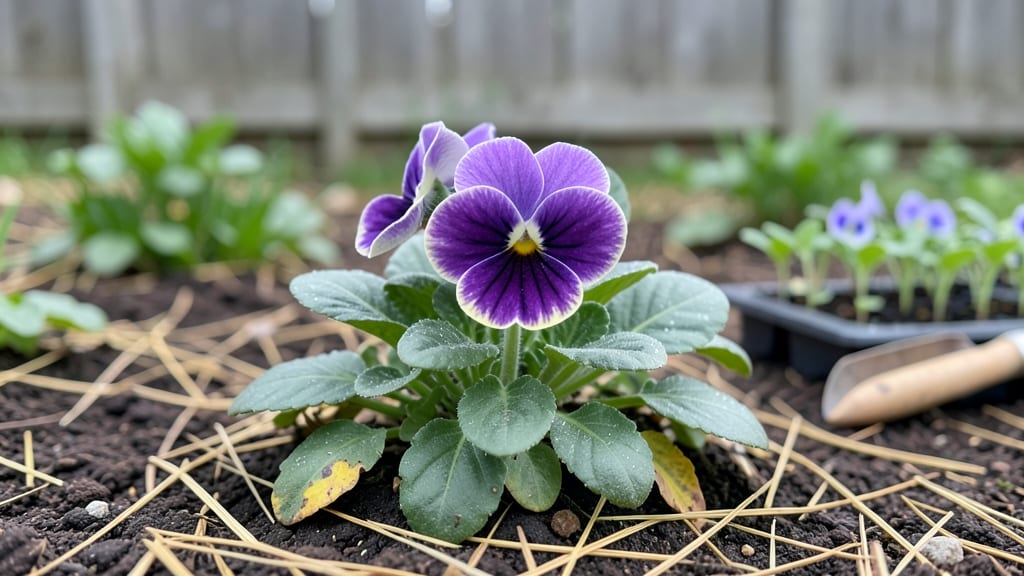
Planting pansy plants transforms any container into a splash of cool-season color that lasts through frost.
I’ve learned that the secret to their long-lasting blooms isn’t just about picking the right spot—it’s about matching their needs to your growing conditions, whether you’re planting in fall for winter cheer or spring for early color.
These hardy little flowers thrive where others falter, turning balconies and patios into vibrant displays with minimal effort.
The trick starts with well-draining soil and containers with drainage holes—pansies hate soggy roots. Space them about 8-12 inches apart to give their leaves room to spread, and plant them just deep enough so the soil line matches where they sat in their nursery pot.
Most people over-plant them, which leads to crowded, leggy stems and fewer blooms. A sunny spot with 4-6 hours of morning sun keeps them blooming longer, while afternoon shade in hot climates prevents wilting.
After planting, water them thoroughly to settle the soil, then keep it consistently moist but not waterlogged. A light mulch helps retain moisture and protects roots from temperature swings.
Within 2-3 weeks, you’ll see new growth, and if you deadhead spent blooms regularly, they’ll keep producing flowers until the first hard freeze. The payoff? Containers bursting with color that outlasts most annuals, even in containers where other plants struggle.
Fall planting is my favorite—pansies planted in September or October bloom through winter and into early spring, giving you months of color when most gardens are dormant. Just avoid planting too early in hot summer soil, and you’ll get a head start on next year’s spring garden.
The key is patience and consistency; these little powerhouses reward attention with nonstop blooms.
📚 In This Guide
- What you need
- Instructions
- Tips and common mistakes
- Wrapping up and next steps
What you need
- ● Pansy plants: 3–5 plants per 12-inch container (or 1–2 per 6-inch pot). Choose trailing varieties for hanging pots!
- ● Well-draining potting mix: 1–2 bags (1–2 cubic feet per container). Opt for a moisture-retentive blend with perlite or vermiculite.
- ● Containers: Pots with drainage holes (6–12 inches deep). Terracotta, fabric, or plastic all work—just ensure they’re weather-resistant!
- ○ Gloves (optional but recommended for messy soil).
- ● Trowel or small shovel for digging.
- ● Watering can or hose with gentle spray (avoid over-saturating pansies!).
- ● Balanced fertilizer (5-10-10 or 10-10-10, ½ tsp per gallon of water).
- ○ Mulch (optional): 1–2 inches of straw or shredded bark to retain moisture.
- ○ Container saucers or trays (optional): To catch runoff and prevent messes.
- ● Sunlight: 6 hours of morning sun or dappled shade (pansies bolt in intense afternoon heat!).
- ● Temperature: Plant when soil temps are 40–75°F (spring/fall ideal).
- ● Watering schedule: Keep soil evenly moist (not soggy!).
Step-by-step instructions for planting pansy plants in containers
Here's how I plant pansies for vibrant, long-lasting color that blooms from early spring until frost.
Choose the Right Containers and Drainage
Select containers with drainage holes—pansies hate soggy roots. I use 8- to 10-inch pots for each plant, as they need room to spread. If your containers lack drainage, drill holes in the bottom or place them in saucers filled with pebbles to lift them above standing water.
Ensure the pots are clean to prevent disease. If reusing containers, scrub them with a 10% bleach solution (1 part bleach to 9 parts water) and rinse thoroughly. This step prevents fungal issues that can kill pansies before they even bloom.
Fill Containers with Well-Draining Soil
Use a lightweight potting mix designed for containers. Avoid garden soil—it compacts and suffocates roots. Fill each pot 2/3 full, leaving space at the top for the plant. Tap the container gently to settle the soil without compacting it too tightly.
Pansies thrive in slightly acidic to neutral soil with a pH between 5.8 and 6.5. If your soil test shows higher alkalinity, mix in a handful of peat moss or sulfur to adjust the pH before planting. This ensures the roots can absorb nutrients efficiently.
Plant Pansies at the Correct Depth
Remove the pansy from its nursery pot and gently loosen the roots if they’re circling. Dig a hole in the center of the container twice as wide as the root ball but no deeper. Place the plant so the top of the root ball sits just below the soil line—burying the stem too deeply can cause rot.
Fill the hole with soil and press lightly around the base to eliminate air pockets. Water the plant thoroughly until water runs out the drainage holes. This step helps the roots settle and makes the transition to its new home smoother.
Space and Arrange for Full Impact
Pansies need 6 to 8 inches of space between plants to grow without crowding. If planting multiple pots, arrange them in odd numbers for a natural, balanced look. Grouping 3 or 5 pots creates visual appeal and makes maintenance easier.
For trailing varieties, place pots near the edges of decks or patios so the flowers spill over. This not only maximizes their beauty but also makes harvesting easier. Water lightly after arranging to help the soil settle around the roots.
Water and Provide Care for Establishment
Water pansies deeply once a week, ensuring the top 2 inches of soil stay moist but not waterlogged. In hot weather, you may need to water every 2-3 days, but always check the soil before watering—pansies are drought-tolerant once established.
Place containers where they’ll get 4 to 6 hours of sunlight daily. While pansies tolerate partial shade, they bloom best in morning sun with afternoon shade in hot climates. Mulch with 1 inch of shredded bark to retain moisture and keep roots cool.
Tips & tricks for planting pansy plants in containers
These simple strategies will help your pansies thrive and bloom beautifully all season long.
Container Selection: While 8- to 10-inch pots work perfectly, consider adding saucers filled with pebbles under containers without drainage holes. This clever setup creates a natural reservoir that keeps roots consistently moist without waterlogging. For hanging baskets, choose ones with at least 10 inches of depth—pansies need room to establish strong roots before they bloom.
Soil Preparation: When adjusting soil pH, I recommend testing your potting mix first with a simple soil pH test kit. Most commercial mixes already fall within the ideal 5.8-6.5 range, so you might not need to add peat moss or sulfur. If you do need to adjust, mix in these amendments gradually—they can be too acidic if overused, which actually harms pansy roots.
Planting Depth: The "just below soil line" rule is crucial—burying pansy stems too deeply causes rot, while planting too shallowly exposes roots to drying. A good trick is to use your finger to create a slight depression around the root ball before filling with soil. This creates a natural well that catches water during irrigation, ensuring roots get properly hydrated.
Watering Strategy: The once-weekly deep watering guideline works best when you check soil moisture first. Stick your finger about 2 inches into the soil—if it feels dry at that depth, water thoroughly. In hot weather, I find watering in the morning gives roots time to absorb moisture before afternoon heat evaporates it. For containers on patios, consider using self-watering pots to maintain consistent moisture levels.
Pro Tips for Planting Pansy Plants
- These simple strategies will help your pansies thrive and bloom beautifully all season long.
- Container Selection: While 8- to 10-inch pots work perfectly, consider adding saucers filled with pebbles under containers without drainage holes.
- Soil Preparation: When adjusting soil pH, I recommend testing your potting mix first with a simple soil pH test kit.
Frequently asked questions
Got questions about planting pansies? You’re not alone—these cheerful bloomers are easy to love but sometimes tricky to master. Here are the answers to the most common queries to help you grow a stunning display with confidence!
When is the best time to plant pansy plants?
Pansies thrive in cool weather, so aim to plant them 4–6 weeks before your first frost in fall (typically late August–early October) or as soon as the soil warms to 45–55°F (7–13°C) in early spring. Avoid planting when temps hit 80°F+ (27°C+), as they’ll bolt or struggle. For containers, timing is flexible—just protect them from extreme heat or cold with shade cloth or row covers if needed.
Can pansies survive winter in containers?
Yes! Pansies are hardy to USDA Zones 3–11, but container-grown plants need extra care. Move pots to a sheltered, unheated garage or under an eave when temps drop below 20°F (-7°C). Mulch the soil with straw or leaves to insulate roots. In spring, trim back leggy stems and fertilize lightly to encourage fresh blooms. Pro tip: Use self-watering containers to prevent freeze-thaw damage from soggy soil.
What’s the best way to plant pansies in containers?
Space pansies 8–12 inches apart in containers to allow airflow and prevent disease. Use a well-draining potting mix (add perlite or sand if yours is heavy) and plant them at the same depth as their nursery pots. Water thoroughly after planting, then keep soil evenly moist but not soggy. For extra color, pair them with sweet alyssum or violas—they’ll fill gaps and deter pests like aphids.
Why are my pansy leaves turning yellow or spotted?
Yellow leaves often signal overwatering, nutrient deficiency, or fungal issues like powdery mildew. Check for:
- Overwatering: Let soil dry slightly between waterings; pansies hate “wet feet.”
- Nutrients: Feed with a balanced, water-soluble fertilizer (10-10-10) every 3–4 weeks.
- Pests/Disease: Spray with neem oil or baking soda solution (1 tsp per quart of water) for fungal spots. Remove severely affected leaves.
If spots are brown with yellow halos, it might be downy mildew—improve airflow and avoid overhead watering.
Can I plant pansies in the ground instead of containers?
Pansies grow well in full sun to partial shade (6 hours of sunlight daily) and adapt to most soil types, though they prefer loamy, well-draining soil with a pH of 5.8–6.5. Amend heavy clay with compost. In-ground pansies may need more frequent watering than container-grown ones, but they’ll often outlast their potted cousins by blooming until summer’s heat arrives. Bonus: They’re great for edging gardens, window boxes, or even as living mulch to suppress weeds!
Wrapping up and next steps
Planting pansies is a rewarding way to bring vibrant, cheerful color to your garden—especially in cooler months! With the right soil, sunlight, and care, these resilient blooms will thrive in containers, borders, or window boxes.
Whether you’re a seasoned gardener or just starting out, pansies offer low-maintenance beauty that’s hard to beat.
Now that you’re equipped with tips and answers, it’s time to roll up your sleeves and plant! Grab your tools, pick your favorite varieties, and enjoy the process. Happy gardening—your garden (and pollinators!) will thank you. 🌸