
Companion Plants
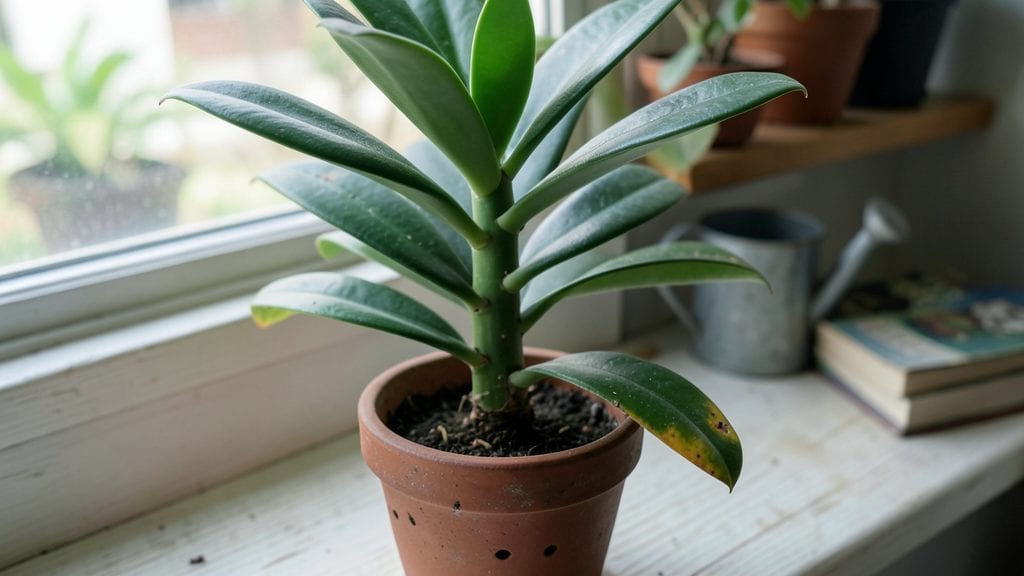
Office table plants bring life to dull workspaces without demanding much from you.
I’ve tested dozens of varieties in my own office, and the right ones thrive on neglect—just water every few weeks and watch them purify the air while boosting your mood. 🌿 The key is matching plants to your lighting and desk size, so you get greenery that actually stays alive (no more sad, crispy leaves).
Start with snake plants or ZZ plants for near-zero care—they handle low light and forgetful watering like champions. Pothos vines add trailing elegance without needing constant attention, while small succulents fit tight spaces and last for months between drinks.
These plants don’t just survive; they thrive in the dry, artificial-light conditions most offices have.
You’ll notice the difference immediately: fresh air, fewer allergens, and a workspace that feels like a retreat instead of a cubicle. The best part? These plants grow slowly, so you won’t be repotting or pruning for years.
Just place them where you’ll see them daily—your focus (and productivity) will thank you.
Works for any desk size, from cramped cubicles to spacious executive setups. Here’s how to pick the perfect mix for your light and space—no green thumb required.
📚 In This Guide
- What you need
- Instructions
- Tips and common mistakes
- Wrapping up and next steps
What you need
- ● Low-maintenance plants (1–3): Choose from options like snake plants, ZZ plants, pothos, or peperomia—all thrive in indirect light and need minimal care.
- ● Small pots or planters (1–3): Ensure they have drainage holes (4–6 inches in diameter for most table plants).
- ● Well-draining potting mix (1–2 bags): Look for a blend labeled for indoor plants or succulents (e.g., 50% peat/coir, 30% perlite, 20% vermiculite).
- ● Watering can or spray bottle: A 16–24 oz can with a narrow spout works best for precision.
- ○ Dusting tools (optional but helpful): A soft microfiber cloth or leaf shine spray to keep foliage clean.
- ● Pruning shears (small, sharp pair): For trimming leggy growth or shaping plants.
- ● Fertilizer (liquid or slow-release): A balanced 10-10-10 or organic fish emulsion (use sparingly, 2–4 times a year).
- ○ Grow lights (LED, 10–15W): Optional for offices with low natural light (place 6–12 inches above plants).
- ● Decorative accents: Pebbles, moss, or self-watering trays for a polished look.
- ● Plant labels (small chalkboard or tags): To track watering schedules and care notes!
Step-by-Step guide to selecting and caring for office table plants
Here's how to choose and maintain vibrant, low-maintenance plants that thrive on your desk.
🌱 Step 1: Choose the Right Plants for Your Space
Start with plants that match your office conditions. Snake plants and ZZ plants are perfect for low light and infrequent watering—ideal if you travel often. Pothos and spider plants grow well in medium light and tolerate occasional neglect, making them great for beginners.
Check your workspace lighting first. If your desk sits near a north-facing window, opt for plants like peace lilies or cast iron plants, which handle lower light better. South-facing offices? Try a rubber plant or fiddle-leaf fig for brighter conditions. Avoid fussy plants like orchids or calatheas unless you're ready to monitor humidity and light closely.
💧 Step 2: Set Up Your Plant with Proper Containers and Soil
Use the 6-inch diameter pots you’ve chosen for your plants, ensuring they have drainage holes to prevent root rot. Fill each pot with 2-3 inches of fresh potting mix, leaving space at the top for watering. For plants like snake plants or ZZ plants, add a thin layer of pebbles at the bottom to improve drainage.
Gently remove your plant from its nursery pot, loosen the roots if they’re tightly bound, and place it in the new container. Fill in around the roots with more potting mix, pressing lightly to secure the plant. Water thoroughly until water runs out the drainage holes, then let the plant sit for 10-15 minutes to drain completely.
☀️ Step 3: Position Your Plant for Optimal Growth
Place your plant where it gets the right amount of light for its needs. Most office table plants thrive in bright, indirect light, so avoid placing them in direct sunlight near a window—this can scorch leaves. Rotate the pot a quarter turn every few weeks to ensure even growth and prevent the plant from leaning toward the light.
If your office has fluorescent lighting, your plant will likely do well under it, but supplement with a small grow light if leaves start looking pale or stretched. Watch for signs of stress: yellowing leaves mean too much water, while brown tips often signal low humidity or too much direct sun. Adjust the plant’s position if you notice these issues.
🌿 Step 4: Establish a Simple Watering Routine
Water your office table plant only when the top inch of soil feels dry to the touch. Stick your finger into the soil—if it’s damp, wait another day or two. Overwatering is the fastest way to kill a houseplant, so it’s better to underwater slightly. Most office-friendly plants can go 2-4 weeks between waterings, depending on the plant and your office’s humidity.
Use room-temperature water to avoid shocking the roots, and pour water slowly until it begins to drain from the bottom of the pot. Empty the saucer after 10 minutes to prevent the plant from sitting in standing water. If your office has dry air, mist the leaves occasionally or place a small tray of water nearby to boost humidity.
✂️ Step 5: Maintain Your Plant with Minimal Effort
Dust the leaves of your office table plant every 2-4 weeks with a damp cloth to help it absorb light more efficiently. Wipe the leaves gently, focusing on the areas where dust accumulates. Prune any yellow or brown leaves with clean scissors to keep your plant looking fresh and encourage new growth.
Fertilize lightly during the growing season (spring and summer) with a balanced, water-soluble fertilizer diluted to half strength. Apply it every 4-6 weeks, but skip fertilizing in fall and winter when plants are dormant. If you notice slow growth or pale leaves, it might be time to fertilize again—but never fertilize a plant that’s already showing signs of stress.
Tips & tricks for perfect office table plants
Real talk: Even the hardiest plants need a little extra TLC to thrive in office environments. Here's what I've learned to keep my desk greenery looking fresh and vibrant without the fuss.
Lighting Strategy: Most office plants need bright, indirect light—think of it like a cozy reading nook rather than direct sunlight. If your workspace has fluorescent lighting, your plant will likely do fine, but supplement with a small LED grow light if leaves start looking pale or stretched. I keep mine about 12 inches away from the window to avoid those harsh rays that can scorch leaves.
Drainage is Non-Negotiable: Those 10-15 minutes you let your plant drain after watering in Step 2 are crucial. I've seen too many plants suffer from root rot because people skip this step. Use pots with drainage holes and always empty the saucer after 10 minutes—standing water is a silent killer. For plants like snake plants or ZZ plants, that extra layer of pebbles at the bottom really helps prevent waterlogging.
Watering Wisdom: The "top inch dry" rule in Step 4 is your best friend. I've trained myself to check soil moisture with my finger before watering—it's the only reliable way to avoid overwatering. Most office plants can handle 2-4 weeks between waterings, but this varies by plant type and your office's humidity. Pro tip: Group your plants together to create a microclimate that retains moisture better.
Rotation Reminder: Don't forget to rotate your plant's pot a quarter turn every few weeks, as mentioned in Step 3. This prevents that classic "leaning toward the light" look. I set a reminder in my calendar for this—it's an easy way to keep your plant looking balanced and encourage even growth all around.
Pro Tips for Office Table Plants
- Real talk: Even the hardiest plants need a little extra TLC to thrive in office environments.
- Lighting Strategy: Most office plants need bright, indirect light—think of it like a cozy reading nook rather than direct sunlight.
- Drainage is Non-Negotiable: Those 10-15 minutes you let your plant drain after watering in Step 2 are crucial.
Frequently asked questions
Got questions about bringing office table plants into your workspace? Here are some common ones—and their answers—to help you get started with confidence!
What are the easiest office table plants for beginners?
Start with snake plants, ZZ plants, or pothos—they thrive in low light and need minimal water. Cast iron plants and peperomias are also great choices for busy professionals. Look for plants labeled "low-maintenance" or "office-friendly" at nurseries.
How often should I water my office table plant?
Most office plants prefer watering every 2-4 weeks, depending on the plant and your office’s humidity. Stick your finger 1-2 inches into the soil—if it’s dry, water lightly. Overwatering is the #1 killer, so less is more!
Can office table plants survive in artificial office lighting?
Many plants, like pothos or ZZ plants, adapt well to fluorescent or LED lighting. Place them within 3-6 feet of windows for best growth, but avoid direct sunlight, which can scorch leaves. Rotate the plant occasionally for even exposure.
What should I do if my office plant gets pests?
Start by isolating the plant and wiping leaves with a damp cloth to remove pests like spider mites or aphids. Spray with neem oil or insecticidal soap (diluted) for stubborn infestations. Check the soil too—overwatering can attract fungus gnats. Most pests disappear with consistent care!
Are there any office table plants that purify the air?
Yes! NASA’s Clean Air Study highlights snake plants (removes formaldehyde), spider plants (filters xylene), and peace lilies (absorbs mold spores). Place a few near your desk to boost air quality while adding greenery. Just ensure they fit your office’s light conditions.
Wrapping up and next steps
Bringing office table plants into your workspace isn’t just about aesthetics—it’s a simple, science-backed way to boost your mood, productivity, and air quality. 🌿 From easy-care succulents to lush pothos, these green companions thrive with minimal effort while transforming your desk into a refreshing oasis.
Whether you’re a busy professional or a plant enthusiast, the perfect low-maintenance plant is just a few clicks (or steps) away!
Ready to take the plunge? Start small: Pick one plant from our list, grab a pot and soil, and let nature do the rest. Your future self—and your workspace—will thank you!