
Companion Plants
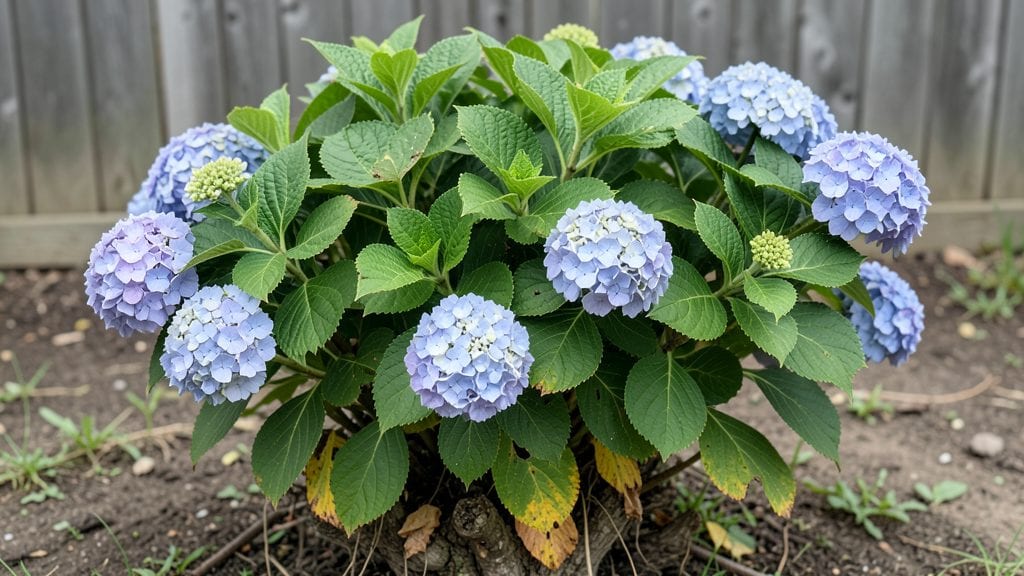
Mature hydrangea plants don’t just survive—they put on a show every season, and the secret lies in knowing exactly when and how to prune them. 🌿 I’ve watched my own hydrangeas go from sparse blooms to lush, oversized clusters by mastering the timing and technique, and it’s easier than you think once you understand their growth patterns.
The real magic happens in late winter or early spring, right before new growth starts. You’ll cut back old stems to just a few inches above the ground, but only for certain varieties—some bloom on last year’s wood, and you’ll ruin their show if you prune too aggressively.
A sharp pair of pruners and a clear plan for your specific type (like mophead or panicle) are all you need to transform your plant.
By summer, you’ll see bold, vibrant blooms that last for weeks, and the foliage stays lush even after the flowers fade. The key is consistent watering—hydrangeas hate soggy roots but need steady moisture to keep those blooms plump.
A thick layer of mulch helps too, keeping the soil cool and roots happy through heatwaves.
Winter prep is where most gardeners drop the ball, but a simple layer of burlap or straw around the base protects your plant from freezing winds and keeps it ready to burst into color again next spring.
It’s the little things—like this—that turn a good hydrangea into a showstopper year after year.
📚 In This Guide
- What you need
- Instructions
- Tips and common mistakes
- Wrapping up and next steps
What you need
- ● Pruning shears or loppers: Sharp, bypass-style (not anvil) for clean cuts. Choose 8-10 inch blades for stems up to 2 inches thick.
- ● Gloves: Heavy-duty gardening gloves (waterproof, with reinforced palms) to protect from thorns and sap.
- ● Disinfectant: 70% isopropyl alcohol or a 10% bleach solution (1 part bleach to 9 parts water) to sterilize tools between cuts.
- ○ Pruning sealant (optional): Tree wound pruning paste (e.g., Tanglefoot Tree Wound Pruning Sealant) for large cuts on oakleaf or panicle hydrangeas.
- ● Garden twine or plant ties: 1/4-inch wide twine for staking if your hydrangea is top-heavy or leggy.
- ● Mulch: 2-3 inches of organic mulch (shredded bark, pine straw, or compost) to retain moisture and regulate soil temp.
- ● pH test kit: Liquid or soil test strips to monitor soil pH (hydrangeas thrive in 5.2–6.0 for blue blooms or 6.0–7.0 for pink).
- ● Fertilizer: Balanced fertilizer (10-10-10): 1 pound per 100 sq ft of garden bed in early spring.
- ● Acid-loving plant food (e.g., Miracle-Gro Azalea, Camellia & Rhododendron): Apply every 4–6 weeks for blue blooms.
- ● Know your hydrangea type: Identify whether you have mophead, lacecap, panicle, or oakleaf hydrangeas—pruning needs vary!
- ● Check the weather: Prune on a dry, overcast day or early morning to reduce stress on the plant.
- ● Clear the area: Remove weeds, debris, and old mulch within a 3-foot radius of the plant.
- ● Water the plant: Deep water the day before pruning to reduce shock (aim for 1–1.5 gallons for mature plants).
- ● Hydrangea food with aluminum sulfate: For blue blooms (e.g., Down to Earth Acid Lovers).
- ● Plant food spray: Liquid bloom booster (e.g., Bloom Booster) for a quick nutrient boost.
- ● Camera or phone: Snap before/after photos to track growth progress!
- ● Knee pads: Because squatting is underrated (and your back will thank you).
Instructions for pruning mature hydrangeas
Here’s how I keep my hydrangeas blooming bigger and longer each year—no guesswork, just proven cuts.
✂️ Step 1: Time Your Pruning for Peak Bloom
Prune your hydrangeas right after they finish flowering in late fall or early winter (November–February). This ensures you’re cutting back old wood before new growth begins in spring. If you prune in spring, you risk removing next year’s flower buds before they form.
Look for dried-up flower heads—those signal the plant’s dormant phase. For bigleaf hydrangeas (Hydrangea macrophylla), wait until after the first hard frost to avoid encouraging late-season growth that won’t harden off properly.
✂️ Step 2: Cut Back Old Wood to Encourage New Growth
Use clean, sharp pruners to cut back one-third of the oldest stems to the ground. These are the thick, woody stems that no longer produce vibrant blooms. For panicle hydrangeas (Hydrangea paniculata), you can be bolder—cut back half the stems to encourage bushier, fuller growth.
Make cuts just above a bud or leaf node (the bump where leaves or branches grow). Avoid leaving stubs—this prevents disease and makes the plant look tidier. If you’re unsure which stems are old, cut the thinnest, least productive ones first.
☀️ Step 3: Shape the Plant for Sunlight and Airflow
Step back and visualize the plant’s shape—aim for an open, rounded form that lets sunlight reach the center. Remove any crossing or rubbing branches that can damage the plant over time. These are the stems that grow inward and create weak spots.
Thin out overcrowded areas by cutting back the smallest stems. This improves airflow, which reduces fungal diseases like powdery mildew. A well-pruned hydrangea should have space between branches—no more than 6–8 inches apart at the base.
💧 Step 4: Feed and Water for a Strong Recovery
After pruning, water deeply to help the plant recover. Hydrangeas need 1–2 inches of water per week, especially in hot weather. Add a slow-release fertilizer in early spring to support new growth—look for one high in phosphorus (the middle number on the label) for blooming.
Mulch around the base with 2–3 inches of organic mulch (like shredded bark) to retain moisture and protect roots from temperature swings. Avoid piling mulch against the stem—keep it 2–3 inches away to prevent rot.
⏰ Step 5: Monitor and Adjust Through the Season
Check your hydrangeas monthly for new growth. If stems look leggy or sparse, it’s a sign they need more light—move them to a sunnier spot (but avoid full afternoon sun, which can scorch leaves). If blooms are small or sparse, you may have pruned too aggressively last season.
Deadhead spent flowers throughout summer to encourage more blooms. For bigleaf hydrangeas, this means cutting back to the first set of healthy leaves below the flower head. For panicle types, you can leave some blooms for winter interest.
Tips & tricks for pruning mature hydrangeas
Here's what I've learned from years of pruning hydrangeas—these small details make all the difference in getting those showstopping blooms.
The Timing Factor: Don't rush into pruning after your first frost! Wait until late fall or early winter when the plant is completely dormant. I've seen gardeners prune too early and accidentally cut off next year's flower buds. For bigleaf varieties, that first hard frost is your signal to get those pruners out—it tells you the plant has fully entered its dormant phase.
Pruning Technique: When cutting back those one-third to half of the oldest stems, make your cuts at a 45-degree angle just above a bud or leaf node. This angled cut helps water run off and prevents rot. I always test my pruners first by cutting a small twig—if they're dull, they'll crush the stem instead of making a clean cut, which can damage the plant.
Visual Pruning: Step back and look at your hydrangea from all sides before making cuts. You're aiming for that open, rounded shape that lets sunlight reach the center. I like to imagine a clock face—if branches are growing inward like the hands at 12 and 6, those are the ones to remove. This airflow improvement is what keeps fungal diseases at bay, especially in humid summers.
Recovery Care: After pruning, give your hydrangeas a deep watering right away to help them recover. I always add a 2-inch layer of mulch around the base (keeping it 2-3 inches away from the stem) to lock in moisture and regulate soil temperature. This is especially important in our first spring when roots are just waking up from dormancy.
Pro Tips for Mature Hydrangea Plants
- Here's what I've learned from years of pruning hydrangeas—these small details make all the difference in getting those showstopping blooms.
- The Timing Factor: Don't rush into pruning after your first frost!
- Pruning Technique: When cutting back those one-third to half of the oldest stems, make your cuts at a 45-degree angle just above a bud or leaf node.
Frequently asked questions
Got questions about keeping your mature hydrangea plants thriving? You’re not alone! Here are some of the most common concerns—and their simple solutions.
How do I know if my hydrangea is truly mature?
A hydrangea is considered mature when it’s 3–5 years old and has established a sturdy woody stem (about pencil-thick or thicker). Look for multiple blooms and lush foliage—these are signs it’s ready for pruning secrets to boost next year’s color!
When is the best time to prune mature hydrangeas?
Timing depends on your hydrangea type! For bigleaf (mophead/lacecap), prune right after flowering (late summer/early fall) to shape and encourage next year’s blooms. Panicle and oakleaf types can be pruned in late winter or early spring before new growth starts. Never prune in fall for panicle types!
What if I prune at the wrong time?
No panic! If you prune too early (like in winter), you might remove next year’s flower buds. For bigleaf types, wait until after blooms fade—this gives you a visual cue. For panicle types, a light trim in late winter is better than none. Focus on removing dead wood first to minimize mistakes.
Can I still get flowers if I don’t prune?
Yes, but your hydrangea may flop under its own weight or produce fewer blooms. Pruning encourages bushier growth and brighter flowers. If you’re overwhelmed, just trim dead stems and shape lightly—even a little pruning helps! For lazy gardeners, panicle hydrangeas are the most forgiving.
Why are my mature hydrangea leaves turning yellow?
Yellow leaves often signal overwatering, underwatering, or nutrient issues. Check the soil—it should be moist but not soggy. If leaves are crispy, it’s dry; if mushy, it’s too wet. Feed with balanced fertilizer (10-10-10) in spring and acid-loving plant food (like for azaleas) for bigleaf types.
Wrapping up and next steps
Caring for mature hydrangea plants is all about patience, precision, and a little seasonal love! With the right pruning techniques, soil prep, and watering habits, you’ll unlock their full potential—year-round color that turns your garden into a lush, ever-changing masterpiece. 🌸
Ready to dive deeper? Start by sketching a simple pruning plan based on your hydrangea’s type (mophead, panicle, or oakleaf) and bookmark our pruning timeline for quick reference. Happy gardening—your blooms are waiting!