
Trees
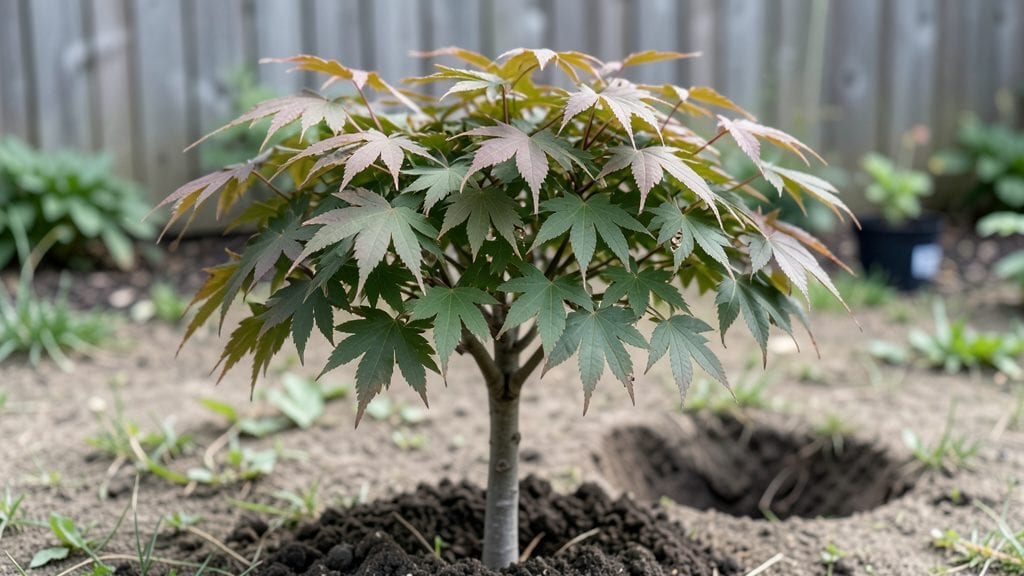
Planting a Japanese maple near your house transforms your yard into a living work of art—if you get the sunlight right. 🌿 I’ve watched these trees go from struggling to stunning by adjusting their placement just a few feet, and the difference in their vibrant red or green foliage is night and day.
The key is finding that sweet spot between dappled shade and morning sun—never harsh afternoon rays that scorch delicate leaves. Most homeowners overlook how nearby structures like roofs or walls can create microclimates that either save or ruin your tree’s health.
A well-placed Japanese maple adds year-round color while keeping roots from competing with your foundation.
By the time fall arrives, you’ll have a tree that turns your yard into a seasonal masterpiece, with foliage so rich it makes neighbors stop and stare.
The roots stay contained, the branches don’t scrape your siding, and you avoid the heartbreak of a tree that fades into a sad, leggy shadow of its potential.
Works for any home style—modern, cottage, or traditional—just adjust the spacing based on the tree’s mature size. Here’s how to pick the perfect spot that keeps your maple thriving for decades.
📚 In This Guide
- What you need
- Instructions
- Tips and common mistakes
- Wrapping up and next steps
What you need
- ● Japanese Maple Tree: Choose a healthy, container-grown sapling (3–5 gallons) with vibrant foliage. Avoid trees with yellowing leaves or broken branches.
- ● Shovel: A round-point or digging shovel (18–24" wide) for digging the hole.
- ● Garden Gloves: Heavy-duty, waterproof gloves to protect your hands.
- ● Mulch: 3–4 inches of organic mulch (cedar, pine, or hardwood chips) to retain moisture and suppress weeds.
- ● Well-Draining Soil: Mix 1 part native soil with 1 part compost (avoid heavy clay unless amended).
- ● Watering Can or Hose: A gentle spray nozzle for post-planting hydration.
- ○ Staking Kit (Optional but Recommended): 2–3 wooden stakes and flexible tree ties for young, top-heavy trees.
- ● Slow-Release Fertilizer: A balanced, acid-loving fertilizer (e.g., 10-10-10) to boost early growth.
- ● Tree Guard: A plastic or metal tree collar to protect the trunk from lawnmowers.
- ● Soil pH Test Kit: Ensures your soil is acidic (pH 5.0–6.5)—ideal for Japanese maples.
- ● Pruning Shears: Bypass pruners (for shaping after planting).
- ● Drip Irrigation System: Automates watering for consistent moisture during dry spells.
Step-by-Step guide to planting a Japanese maple near your home
Here’s how to place and plant your Japanese maple for stunning growth and longevity.
🪴 Step 1: Choose the Perfect Planting Spot
Japanese maples thrive in morning sun with afternoon shade—think 3-6 hours of direct sunlight daily. Avoid harsh afternoon rays that scorch delicate leaves. I always scout the area at different times of day to map sun patterns. Near windows or under eaves often works well.
Check soil drainage by digging a 12-inch hole and filling it with water. If it drains within 30 minutes, the spot’s safe. Slow drainage means your tree will sit in soggy soil, which rots roots. Amend heavy clay with 2-3 inches of compost to improve drainage before planting.
☀️ Step 2: Prepare the Soil for Healthy Roots
Japanese maples prefer slightly acidic to neutral soil (pH 6.1-7.5). Test your soil with a kit—if it’s alkaline, mix in 1-2 cups of peat moss per square foot to lower pH. Avoid fresh mulch or manure, which burns tender roots.
Loosen the soil in the planting area to a depth of 18 inches and width of 2 feet wider than the root ball. This prevents compaction and encourages root spread. I use a garden fork to aerate without damaging deeper soil layers.
🌱 Step 3: Plant at the Right Depth and Stake for Support
Dig a hole twice as wide as the root ball but no deeper. Place the tree so the top of the root ball sits 1-2 inches above ground level—this prevents sinking over time. Gently remove the tree from its container and tease out any circling roots.
Backfill with native soil mixed with 1 part compost to encourage root growth. Water deeply to settle the soil, then add 2-3 inches of mulch (keeping it 6 inches away from the trunk). Stake only if needed—young trees in windy areas benefit from one 2-inch-wide stake tied loosely with soft fabric.
💧 Step 4: Water Deeply and Monitor for Stress
Water once a week for the first month, soaking the root zone to 12 inches deep. You’ll know it’s enough when water runs out the bottom of the hole. Overwatering is worse than underwatering—let the top 2 inches of soil dry between waterings.
Watch for yellowing leaves or wilting—signs of overwatering or poor drainage. If leaves scorch in afternoon sun, move the tree to a shadier spot. Japanese maples are slow to recover from stress, so consistency is key.
✂️ Step 5: Prune and Protect for Long-Term Beauty
Prune in late winter or early spring before new growth starts. Remove dead, crossing, or weak branches with clean cuts just outside the branch collar. Never prune more than 25% of the canopy in one season—this stresses the tree.
Protect young trees from deer and rabbits with a tree guard (a wire mesh cylinder). I’ve seen maples completely stripped by wildlife in just a few nights. In winter, wrap the trunk with burlap if temperatures drop below 10°F to prevent frost cracks.
Tips & tricks for perfect Japanese maple planting
Here's what I've learned after planting several Japanese maples that now thrive beautifully near my home.
Sunlight Strategy: When mapping your 3-6 hours of morning sun, use a simple trick: place a white sheet on the ground where you're considering planting and observe the sun's path for a week. This visual helps you pinpoint exactly where those afternoon shadows will fall. I've found that east-facing spots with afternoon shade from nearby structures work best for vibrant foliage.
Drainage Test Tip: For the 30-minute drainage test in Step 1, I recommend using a clear plastic cup instead of digging a hole. Fill it with water and time how long it takes to drain completely. This gives you a more precise measurement without disturbing the soil permanently. If water pools at the bottom after 30 minutes, you'll need to amend the soil with more compost or consider a raised bed.
Soil pH Hack: If your soil test shows alkaline conditions, I've had great success using pine bark fines instead of peat moss to lower pH. Mix in 1 part pine bark fines to 3 parts soil—it's more sustainable and works just as effectively. The key is to work it into the top 18 inches of soil as mentioned in Step 2.
Winter Protection: When temperatures drop below 10°F as mentioned in Step 5, I wrap the trunk with burlap but add an extra layer of bubble wrap underneath. This double protection creates an insulating barrier that prevents frost cracks while allowing some airflow. Make sure to remove it in early spring before new growth begins.
Pro Tips for Planting Japanese Maple Near House
- Here's what I've learned after planting several Japanese maples that now thrive beautifully near my home.
- Sunlight Strategy: When mapping your 3-6 hours of morning sun, use a simple trick: place a white sheet on the ground where you're considering planting and observe the sun's path for a week.
- Drainage Test Tip: For the 30-minute drainage test in Step 1, I recommend using a clear plastic cup instead of digging a hole.
Frequently asked questions
Got questions about planting a Japanese maple near your home? You’re not alone! Here are some of the most common concerns—and answers—to help you make the best choice for your yard and tree.
How close can I plant a Japanese maple to my house?
Keep at least 15–20 feet between the tree trunk and your home to avoid root damage or foundation issues. Smaller varieties (like ‘Bloodgood’) can tolerate closer spacing (10–15 feet), but always check your tree’s mature size in the nursery tag. Roots spread wider than the canopy!
Will a Japanese maple grow well in partial shade near my house?
Yes! Japanese maples thrive in morning sun + afternoon shade—ideal for north- or east-facing walls. Avoid harsh afternoon sun (especially in hot climates), which can scorch delicate leaves. If your house blocks sunlight, choose a shade-tolerant variety like ‘Shishigashira’ or ‘Green Cascade’.
When is the best time to plant a Japanese maple near my home?
Plant in early spring or fall (4–6 weeks before frost) for the best root establishment. Avoid summer heat or winter cold, which stress young trees. If planting in containers, water deeply before transplanting to reduce shock. Pro tip: Mulch heavily (3–4 inches) to retain moisture and regulate soil temperature.
What if my Japanese maple isn’t thriving near my house?
Check these common issues:
Yellow leaves? Overwatering or poor drainage. Ensure soil drains well and water only when the top 1–2 inches are dry.
Drooping branches? Underwatering or heat stress. Provide afternoon shade and water deeply 2–3 times weekly in summer.
No new growth? Nutrient deficiency. Fertilize lightly in spring with a balanced, slow-release formula (10-10-10).
If problems persist, test your soil pH (ideal: 5.0–6.5) and adjust with sulfur or lime.
Are there dwarf Japanese maples better for small yards?
Consider these space-saving options:
Variety
Mature Height
Best For
‘Mikura Red’
6–8 ft
Containers or tight spaces; vibrant red foliage
‘Emperor Series’ (e.g., ‘Emperor I’)
8–10 ft
Upright growth; great for small lawns
‘Crimson Queen’
10–12 ft
Classic weeping shape; versatile for borders
Dwarf varieties need less pruning but still benefit from regular care. Just avoid overcrowding!
Wrapping up and next steps
Planting a Japanese maple near your home can transform your outdoor space into a serene, picturesque haven—as long as you get the sunlight right! 🌿 Whether you’re working with partial shade or dappled light, this delicate beauty thrives when its needs align with your yard’s natural conditions.
With the right spot, care, and a little patience, you’ll be rewarded with stunning foliage and a tree that becomes the centerpiece of your landscape.
Ready to take the next step? Start by observing your yard’s sunlight patterns—then grab those pruners and get planting! Your future self (and your maple’s vibrant leaves) will thank you. 🌟