
Pruning
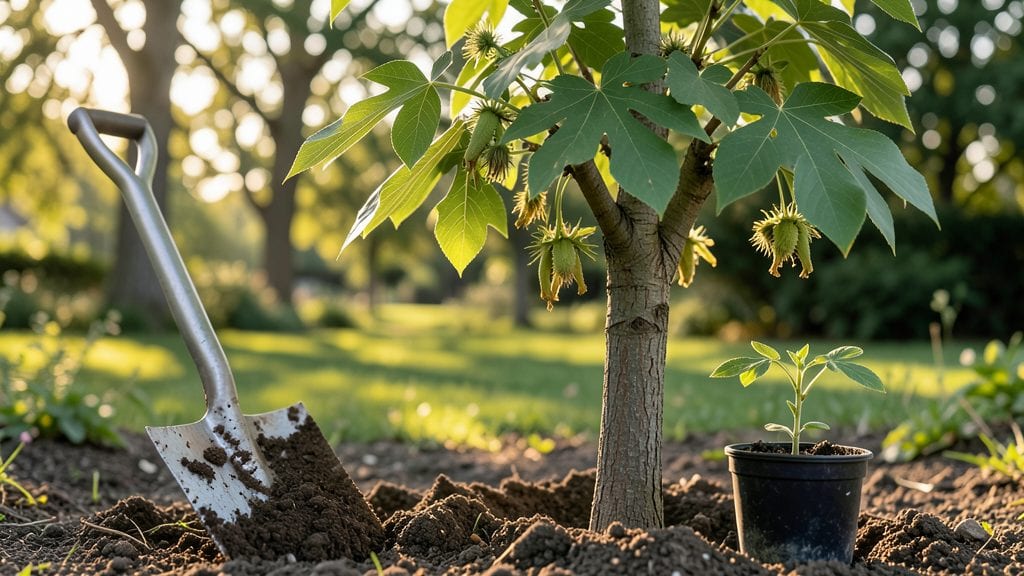
Planting a buckeye tree starts with the right spot and soil—because these trees demand both to thrive. 🌿 I learned this the hard way when my first buckeye struggled in heavy clay, its leaves yellowing by midsummer.
The secret isn’t just sunlight (they need 6+ hours daily), but the loamy, well-draining soil that mimics their native woodlands.
You’ll need a hole twice as wide as the root ball but only as deep—buckeyes hate being buried too deep, which can rot their roots. Amend the native soil with compost if it’s sandy or compacted, and avoid fresh manure (it burns tender roots).
A young buckeye’s first year is critical; water deeply once a week unless rain does the work, keeping soil moist but never soggy.
Within a year, you’ll see strong new shoots pushing through the soil, their glossy leaves unfurling with a vibrant green that’s impossible to ignore. The real payoff comes in 5-10 years, when those iconic nut clusters form—but even the early growth is rewarding if you nail the planting.
Climate matters: Buckeyes handle heat and cold well but struggle in soggy winters or alkaline soils. If your area has heavy clay, consider raised beds or mounds for better drainage. The first year is about patience, not perfection—just give it the right start, and it’ll reward you for decades.
📚 In This Guide
- What you need
- Instructions
- Tips and common mistakes
- Wrapping up and next steps
What you need
- ● Buckeye tree sapling (choose a healthy, nursery-grown Aesculus species like A. glabra or A. hippocastanum, 1-3 years old).
- ● Shovel or trowel (for digging—opt for a 5-gallon capacity for mature trees).
- ● Garden gloves (to protect your hands from thorns and soil).
- ● Compost or well-aged manure (5-10 lbs, to enrich soil).
- ● Mulch (wood chips or pine straw) (2-3 inches, spread in a 3-4 ft radius around the base).
- ● Watering can or hose with a gentle nozzle (for deep watering).
- ○ Stakes and twist ties (optional but helpful) (2-3 stakes, 4-6 ft tall, to support young trees).
- ● Soil test kit (to check pH—buckeyes prefer 6.0-7.0).
- ● Slow-release fertilizer (balanced 10-10-10, 1 lb for young trees).
- ● Tree guard or wire cage (to protect from small animals).
- ● Pruning shears (for shaping or removing damaged branches post-planting).
Step-by-Step instructions for planting a buckeye tree
Here’s how I’ve planted buckeye trees successfully—focus on the right spot and soil prep first.
🌱 Step 1: Choose the Perfect Planting Location
Buckeye trees thrive in full sun—pick a spot that gets at least 6-8 hours of direct sunlight daily. I always check the area for overhead power lines or large branches that might interfere as the tree matures. Avoid low spots where water pools after rain, as buckeyes hate soggy roots.
Test the soil by digging a 12-inch deep hole—if it’s compacted or clay-heavy, you’ll need to amend it. The tree’s natural range favors well-draining soil, so if your yard holds water, choose a slightly elevated spot or improve drainage with organic matter.
🪴 Step 2: Prepare the Planting Hole and Amend Soil
Dig a hole twice as wide as the tree’s root ball but only as deep—buckeyes don’t like being buried too deep, which can suffocate roots. Loosen the sides of the hole with a shovel to encourage root spread into surrounding soil.
Mix the native soil with compost or well-rotted manure (about 1 part organic matter to 3 parts soil) to improve fertility and drainage. This step is critical—I’ve seen buckeyes struggle in pure clay or sand without this adjustment. Fill the bottom of the hole with a 3-inch layer of coarse sand or gravel to prevent waterlogging.
☀️ Step 3: Position and Plant the Tree
Place the tree in the hole so the top of the root ball sits just above ground level—never bury the trunk deeper than it was in the nursery. Gently spread the roots outward to encourage them to grow into the surrounding soil. If the roots are circling, make 2-3 vertical cuts to help them branch out.
Backfill the hole with the amended soil mixture, tamping it down lightly every 4-6 inches to remove air pockets. Water deeply to settle the soil around the roots, then add a 2-inch layer of mulch (keeping it 6 inches away from the trunk) to retain moisture and regulate soil temperature.
💧 Step 4: Water and Support for Establishment
Water the tree deeply once a week for the first month, then taper to every 2 weeks once established—buckeyes are drought-tolerant but need consistent moisture to root well. You’ll know it’s getting enough water when the soil feels moist 2 inches below the surface. Avoid overwatering, which can lead to root rot.
Stake the tree only if necessary—young buckeyes have strong root systems. If you do stake it, use 2-3 stakes and a soft tree tie to avoid girdling the trunk. Remove stakes after 1 year to prevent the tree from becoming dependent on support.
⏰ Step 5: Monitor and Maintain Through the First Year
Watch for new leaf growth in spring—this signals the tree is rooting well. If leaves yellow or wilt, it may need more water or protection from afternoon sun (though buckeyes prefer full sun, young trees can scorch easily). Prune only to remove dead or crossing branches; avoid heavy pruning in the first year.
After the first growing season, reduce watering to once a month unless there’s prolonged drought. Buckeyes are hardy but benefit from annual mulch top-ups in late winter to protect roots from temperature swings. With proper care, your tree will establish strong roots and start producing those iconic seed pods in 5-10 years.
Tips & tricks for perfect buckeye tree planting
These simple but game-changing tips will help your buckeye tree thrive from day one—no green thumb required.
Sunlight Secret: The 6-8 hours of direct sunlight mentioned in Step 1 is non-negotiable. I've planted buckeyes in partial shade by mistake, and they just... struggle. If your yard doesn't get full sun, consider placing it near a south-facing wall that reflects sunlight. Trust me, the difference in growth is like night and day.
Soil Prep Game-Changer: When amending soil in Step 2, don't skimp on the compost-to-soil ratio. I've seen buckeyes planted in pure clay or sand without proper amendment—those trees took years to establish. The 1:3 ratio of organic matter to native soil is perfect, but if your soil is extremely compacted, increase the compost to 1:2 temporarily to give roots a fighting chance.
Root Ball Rescue: In Step 3, if you notice roots circling tightly in the root ball, don't just cut them randomly. Make those 2-3 vertical cuts strategically—aim for the center of the root mass where most circling occurs. This encourages outward growth rather than just hacking at roots. Think of it like untangling headphones: work from the center outward.
Watering Wisdom: That first month of weekly deep watering in Step 4 is crucial, but here's what nobody tells you: use a moisture meter to check soil moisture 2 inches down. If it's dry, water again—don't rely on memory. I've seen buckeyes wilt from inconsistent watering, even when people thought they were watering enough. The key is deep, infrequent watering that encourages roots to grow downward.
Pro Tips for Planting A Buckeye Tree
- These simple but game-changing tips will help your buckeye tree thrive from day one—no green thumb required.
- Sunlight Secret: The 6-8 hours of direct sunlight mentioned in Step 1 is non-negotiable.
- Soil Prep Game-Changer: When amending soil in Step 2, don't skimp on the compost-to-soil ratio.
Frequently asked questions
Got questions about planting your buckeye tree?
You’re not alone! Here are answers to the most common queries—from timing to troubleshooting—to help you grow a healthy, stunning specimen.
When is the best time to plant a buckeye tree?
Plant your buckeye tree in early spring or fall when temperatures are mild (50–70°F). Avoid extreme heat or frost, as young roots are sensitive. Spring planting gives roots time to establish before summer, while fall allows them to settle before winter dormancy. Pro tip: If planting in summer, water deeply every 2–3 days to prevent stress!
Can I plant a buckeye tree in a small yard or container?
Buckeye trees mature 20–40 feet tall with a wide canopy, so they need space! If your yard is tight, opt for a dwarf cultivar like ‘Aesculus parviflora’ (bottlebrush buckeye) or plant it near a fence/property line. Containers are not ideal—they struggle with root constraints and water retention. Pro tip: Prune young trees annually to manage size!
Why are the leaves turning brown or yellow after planting?
Brown/yellow leaves often signal overwatering, underwatering, or transplant shock. Check soil moisture—buckeyes prefer well-draining soil but consistent moisture. If roots are exposed or soil is waterlogged, adjust your watering routine. Pro tip: Mulch around the base (2–3 inches) to retain moisture and protect roots!
Are buckeye trees toxic to pets or humans?
Yes! All parts of the buckeye tree—leaves, nuts, and seeds—contain toxic compounds (e.g., aesculin) that can cause vomiting, diarrhea, or skin irritation if ingested. Keep pets and kids away from fallen nuts or chewed foliage. Pro tip: Wear gloves when handling seeds or pruning to avoid skin contact!
What’s a good alternative if buckeyes don’t thrive in my climate?
If your area has hot summers or poor soil, consider these shade-loving alternatives:
- Redbud tree (Cercis canadensis) – Fast-growing, vibrant flowers.
- Japanese maple (Acer palmatum) – Compact, colorful foliage.
- Serviceberry (Amelanchier) – Edible berries, low-maintenance.
Wrapping up and next steps
Planting a buckeye tree is a rewarding journey that combines patience with nature’s beauty! 🌱 By choosing the right sunlight spot (full sun to partial shade) and preparing well-draining soil, you’re setting the stage for a thriving, majestic tree.
Whether you’re drawn to its glossy leaves or the promise of autumn’s golden nuts, your efforts will pay off in years of shade and charm.
Ready to take the next step? Mark your calendar for planting season (fall or early spring) and gather your supplies—your buckeye’s future starts with you! 🌳✨