
How To
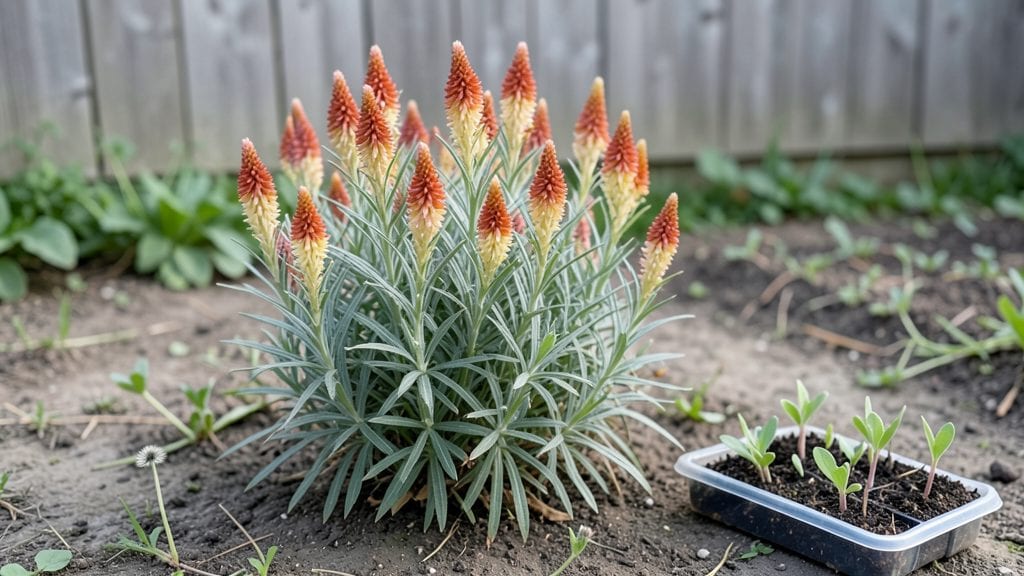
Indian paintbrush thrives when planted in well-drained soil with full sun exposure—just like its native prairie habitats. 🌿 I learned the hard way that soggy soil kills these vibrant wildflowers, so I now prep the ground with coarse sand or gravel to mimic their natural rocky surroundings.
The key is patience; they bloom best in their second year, but the wait pays off with striking red, orange, or yellow spikes that hummingbirds adore.
Start with seeds in late summer or early fall for the best germination rates, or divide mature clumps in spring. These plants love dry conditions once established, making them perfect for drought-prone areas or wildflower meadows.
A 6-inch spacing gives them room to spread without crowding, and they pair beautifully with native grasses like little bluestem or purple coneflower.
By midsummer, you’ll see clusters of tubular flowers that attract pollinators like magnets. The secret to long-term success? Avoid overwatering—they’re tough once rooted—and let them naturalize over time. Even in containers, they’ll thrive as long as the soil drains well and gets plenty of sunlight.
Works across most U.S. regions, from the Rocky Mountains to the Great Plains, but check your local native plant database for specific Castilleja varieties. Here’s how to get them growing strong from day one!
📚 In This Guide
- What you need
- Instructions
- Tips and common mistakes
- Wrapping up and next steps
What you need
- ● Indian Paintbrush seeds – 1–2 oz (per 100 sq ft of planting area). Choose native varieties like Castilleja indivisa or Castilleja coccinea for best results.
- ● Well-draining soil mix – 50% native soil + 50% compost or sand (Indian Paintbrush hates soggy roots!).
- ○ Native wildflower seed mix (optional but recommended) – 1–2 oz per 100 sq ft to create a balanced meadow ecosystem.
- ● Watering can or hose with a gentle spray nozzle – For consistent moisture without disturbing seeds.
- ● Garden rake – To lightly scarify the soil (break up clumps) before planting.
- ● Hand trowel or broadcast spreader – For even seed distribution (broadcast spreader saves time!).
- ● Garden gloves – Protect your hands from prickly stems or rough soil.
- ○ Mulch or straw (optional but helpful) – ¼-inch layer to retain moisture and deter weeds.
- ● A sunny location with 6+ hours of direct sunlight daily (partial shade works for cooler climates).
- ● Well-draining soil – Indian Paintbrush thrives in lean, rocky, or sandy soils (amend heavy clay with perlite or sand).
- ● Patience! – Seeds may take 2–3 weeks to germinate and up to 2 years to reach full bloom.
Step-by-step instructions for planting Indian paintbrush
Here's how to create a vibrant wildflower display with this stunning native beauty.
🌱 Step 1: Prepare the Planting Site
Indian paintbrush thrives in full sun with well-draining soil—this is non-negotiable. Choose a spot that gets at least 6 hours of direct sunlight daily, preferably in a meadow or open garden area. Clear away existing vegetation within a 12-inch radius of each planting spot to reduce competition.
Loosen the top 3-4 inches of soil with a garden fork or trowel, breaking up any compacted layers. The goal is to create a loose, airy environment that encourages root growth. If your soil feels heavy or clay-like, mix in 1-2 inches of coarse sand or perlite to improve drainage—Indian paintbrush hates soggy roots.
🌿 Step 2: Plant the Seeds at the Right Time and Depth
Timing is everything with Indian paintbrush. Plant seeds in early spring (March-April) or early fall (September-October) for the best germination rates. Scatter seeds sparingly—they're tiny and don't need deep planting. Press them just below the soil surface (about ¼ inch deep) and cover lightly with a thin layer of mulch or fine soil.
Water gently but thoroughly after planting to settle the soil around the seeds. Use a fine mist setting on your watering can to avoid displacing them. Keep the area consistently moist (not soggy) until germination occurs, which typically takes 2-4 weeks. You'll see the first tiny green shoots emerge—watch for them carefully as they're easy to miss!
☀️ Step 3: Maintain and Encourage Growth
Once seedlings reach 2-3 inches tall, reduce watering to once every 7-10 days unless you experience extended dry periods. Indian paintbrush is drought-tolerant once established, but young plants need consistent moisture. Water at the base of the plants in the morning to prevent fungal issues from evening dampness.
Let the plants grow naturally without fertilizing—they prefer lean, nutrient-poor soil. In their second year, you'll see the vibrant red, orange, or yellow blooms that make this wildflower so special. Deadhead spent blooms in late summer to encourage a second flush of flowers, but leave some seed heads for wildlife and next year's display.
⏰ Step 4: Overwintering and Long-Term Care
Indian paintbrush is perennial in USDA zones 3-9, meaning it will return year after year with proper care. In late fall, cut back the foliage to 2-3 inches above the ground to promote new growth in spring. This also prevents disease and pests from overwintering in old plant debris.
Mulch lightly around the base in winter with 1-2 inches of straw or leaves to protect roots from extreme temperature fluctuations. Avoid heavy mulching—Indian paintbrush prefers open, airy conditions. By spring, you'll see fresh growth emerging, and with patience, your meadow will burst with color for years to come!
Tips & tricks for perfect Indian paintbrush planting
Transforming your garden into a vibrant wildflower haven starts with these game-changing tips that'll make all the difference!
Soil Prep Secret: Don't just loosen the top 3-4 inches of soil—think about the big picture! If your area has compacted subsoil, consider renting a soil aerator to create channels for roots to grow deeper. Indian paintbrush has a surprisingly deep root system that can reach up to 12 inches—giving it room to establish properly from the start makes all the difference in long-term success. The key is creating that loose, airy environment all the way down!
Timing is Everything: Those early spring (March-April) and early fall (September-October) planting windows are critical because they avoid the extreme heat of summer and the freezing temperatures of winter. Pro tip: If you're planting in fall, aim for at least 6 weeks before your first expected frost date—this gives seeds time to germinate before winter sets in. For spring planting, don't wait until the last frost date; plant as soon as the ground is workable for best results.
Germination Watch: The 2-4 week germination window can feel like an eternity, especially when you're eagerly watching for those first tiny green shoots. Here's what to watch for: After planting, keep the soil consistently moist (not soggy) and check daily. You'll notice the first seedlings appear as tiny green spears—about the size of a toothpick—pushing through the soil. Don't be fooled by weeds that might sprout first; paintbrush seedlings have a distinctive, slightly fuzzy appearance when young. Once you spot them, you can reduce watering frequency.
Long-Term Maintenance Hack: Mark your planting areas with small, unobtrusive flags or stakes right after planting. This prevents you from accidentally tilling or disturbing the area when you're working in your garden later. I've made this mistake myself—disturbing newly planted seeds can be devastating. The flags will remind you where your paintbrush is growing, even when it's just a few inches tall and easy to miss among weeds. This simple step saves so much frustration down the road!
Pro Tips for Planting Indian Paintbrush
- Transforming your garden into a vibrant wildflower haven starts with these game-changing tips that'll make all the difference!
- Soil Prep Secret: Don't just loosen the top 3-4 inches of soil—think about the big picture!
- Timing is Everything: Those early spring (March-April) and early fall (September-October) planting windows are critical because they avoid the extreme heat of summer and the freezing temperatures of winter.
Frequently asked questions
Got questions about planting Indian paintbrush? You’re not alone—this striking wildflower has a few quirks! Here are answers to the most common ones to help you grow a vibrant meadow with confidence.
When is the best time to plant Indian paintbrush?
Plant seeds in early spring (March–April) or late summer to early fall (August–September). Avoid planting in winter—the seeds need consistent moisture to germinate. For transplants, spring is ideal, but they can also thrive if planted in fall before the first frost.
Will Indian paintbrush survive in cold climates?
Yes! Indian paintbrush is hardy in USDA Zones 3–9, making it perfect for most of the U.S. and Canada. It thrives in full sun and well-draining soil, even in snowy regions. Just avoid soggy soil—this plant hates standing water.
Can I grow Indian paintbrush from cuttings or just seeds?
Indian paintbrush is almost always grown from seeds—cuttings rarely root successfully. Seeds are inexpensive, widely available, and easy to scatter. For best results, mix them with native grasses (like buffalo grass) to mimic natural meadow conditions.
Why isn’t my Indian paintbrush blooming?
No flowers? Check these fixes:
- Not enough sun: Ensure it gets 6+ hours of direct sunlight daily.
- Poor soil: Amend with sandy, well-draining soil—it dislikes clay.
- Over-fertilizing: Indian paintbrush thrives in low-nutrient soil. Skip synthetic fertilizers.
- Patience: It may take 1–2 years to bloom after planting.
What’s the best companion plant for Indian paintbrush?
Pair it with native grasses (like switchgrass or little bluestem) or other wildflowers like black-eyed Susans, coneflowers, or milkweed. These plants attract pollinators and create a low-maintenance meadow ecosystem. Avoid invasive species!
Pro Tip:
For a wow factor, plant Indian paintbrush in odd-numbered clusters (3, 5, or 7 plants). This mimics natural groupings and makes the bright red-orange blooms pop against green foliage!
Wrapping up and next steps
Transforming your space into a vibrant Indian paintbrush meadow is easier than you think—and the rewards are stunning! 🌸 With the right soil, timing, and care, you’ll soon enjoy bursts of fiery red and orange that hum with life.
Start small, experiment with companion plants, and let nature work its magic.
Ready to dive in? Grab your seeds, mark your calendar, and get planting! Your future wildflower haven is just a few steps away.