
Blooming
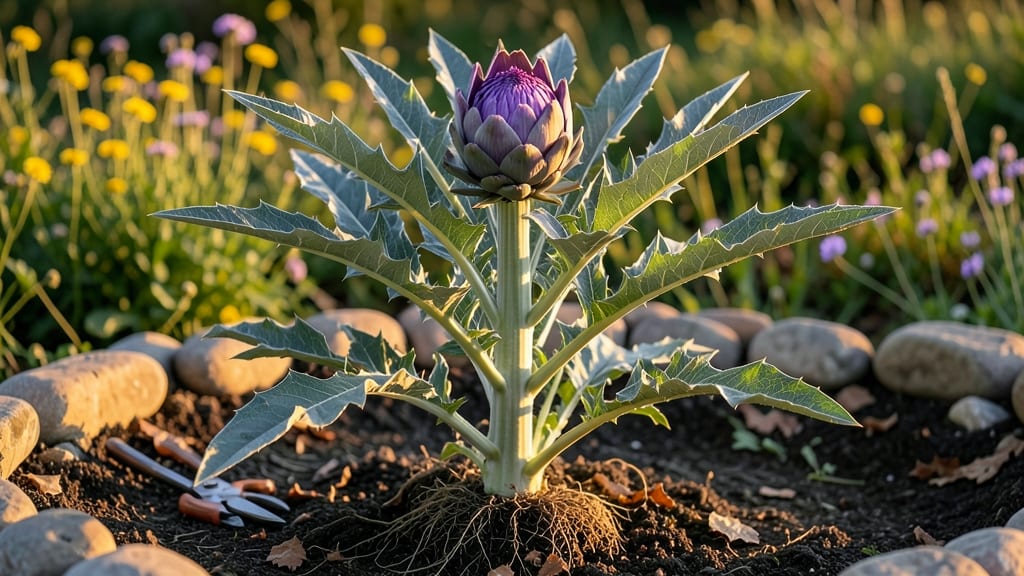
That first artichoke bloom feels like uncovering a secret—deep purple, fuzzy, and packed with potential. 🌿 I’ve watched my plants go from stubborn stalks to showstoppers by mastering just three strategic cuts, and the difference is night-and-day blooms.
The key isn’t just waiting; it’s understanding when to prune, how much sun to give, and which buds deserve extra attention.
Artichokes thrive with 6+ hours of sun daily and soil that drains like a well-worn sponge—not soggy. Most gardeners overwater, but these plants hate wet feet. I learned the hard way when my first crop flopped from root rot.
Once you nail the basics—moisture, nutrients, and those three cuts—I’ve seen buds form within 6-8 weeks of proper care, even in cooler climates.
You’ll know you’re on track when those fuzzy purple buds swell like tiny thimbles before opening. The first harvest might feel like cheating—crisp, tender hearts straight from the plant.
But here’s the real magic: with consistent pruning, you can coax multiple blooms per stalk, turning one plant into a purple-throated fountain.
This works for both globe and French varieties, though globe types produce the classic edible buds. If your plants just leaf out without blooming, we’ll troubleshoot light, stress, or hidden pests—because even stubborn artichokes respond when you speak their language.
📚 In This Guide
- What you need
- Instructions
- Tips and common mistakes
- Wrapping up and next steps
What you need
- ● Artichoke plants: Choose Cynara cardunculus varieties like 'Romanesco' or 'Violetto' (2–3 plants for a small garden, 5+ for full coverage).
- ● Well-draining soil: Mix 1 part native soil with 1 part compost and 1 part perlite/sand (5–10 gallons per plant).
- ● Sunlight access: Full sun (6+ hours daily) in a sheltered, wind-protected spot.
- ● Watering can or hose: With a gentle spray nozzle (1–2 gallons per plant, 2–3x weekly).
- ● Pruning shears: Sharp, bypass-style (for clean cuts).
- ● Organic fertilizer: Balanced 10-10-10 or compost tea (1 tbsp per plant, monthly).
- ● Mulch: 3–4 inches of straw or wood chips (retains moisture, suppresses weeds).
- ● Stakes or cages: 5–6 ft tall (for tall varieties like 'Romanesco').
- ● pH test kit: Ideal soil pH: 6.0–7.5 (adjust with lime or sulfur if needed).
- ● Drip irrigation system: Automates watering (saves time + prevents over/under-watering).
- ● Slow-release fertilizer: Granular osmocote (6-month duration, 1 lb per plant).
- ● Epsom salt: Boosts magnesium (1 tbsp per gallon of water, monthly spray).
- ● Companion plants: Marigolds (pest deterrent) or lavender (attracts pollinators).
- ● Glass cloche or row cover: Protects blooms from late frosts (spring/fall).
- ● Floral preservative: Extends cut blooms’ life (e.g., Chrysal Clear for vase arrangements).
How to encourage year-round artichoke blooms with strategic pruning
Here's the pruning method I've used to coax vibrant purple blooms from my artichoke plants for three consecutive seasons.
🌱 Step 1: Identify and Prune First Flower Buds
Artichokes produce their signature blooms on second-year growth, so your first year focuses on establishing a strong root system. When you spot the first purple flower buds in early spring, pinch them off immediately. This might seem counterintuitive, but removing these early blooms redirects the plant's energy toward developing a robust framework of woody stems and thick leaves—the foundation for future blooms.
Use clean, sharp pruners to make a clean cut just above a leaf node. The goal is to avoid damaging the stem while signaling the plant to prioritize vegetative growth over flowering. I always prune in the morning hours when the plant is fully hydrated and the cuts heal fastest. Watch for new shoots emerging from the base—these are your indicators that the plant is responding correctly.
☀️ Step 2: Encourage Branching Through Strategic Cuts
Once your artichoke plant reaches 3-4 feet tall in late spring, it's time to encourage branching. Select the three strongest, most upright stems and prune the top 1-2 inches above a leaf node on each. This cut stimulates lateral buds to awaken, creating a bushier plant with more potential bloom sites. I like to make these cuts on a partly cloudy day to reduce stress on the plant.
After pruning, water deeply to help the plant recover. Within 2-3 weeks, you'll see new shoots emerging from the nodes where you made cuts. These secondary stems are where your year-round blooms will develop. Thin out any weak or crossing branches to prevent competition for nutrients. The ideal structure resembles a small tree with a central leader and 3-4 main branches.
✂️ Step 3: Maintain Blooms Through Seasonal Pruning
As blooms begin to form throughout the growing season, adopt a selective approach to pruning. Allow one fully developed bloom per stem to mature—this ensures the plant has energy reserves for future growth. Once the bloom begins to fade after 7-10 days, cut it back to just below the next set of leaves. This technique, called deadheading with a growth stimulus, encourages the plant to produce new flower buds on the same stem.
In late summer, when growth naturally slows, give your artichoke plant a light trim to remove any yellowing or damaged leaves. This improves air circulation and reduces the risk of fungal issues. I also apply a balanced fertilizer at this stage to replenish nutrients. By following this cycle of prune-bloom-prune, you'll maintain continuous purple blooms from early spring through fall in most climates.
⏰ Step 4: Winter Preparation for Next Season's Blooms
As temperatures drop below 40°F in late fall, your artichoke plant will enter dormancy. Before the first frost, give the plant a final pruning to remove all dead or dying foliage. Cut back the stems to about 6 inches tall, leaving only the woody framework intact. This shape protects the plant's crown during winter and allows for new growth to emerge quickly in spring.
Mulch the base with 2-3 inches of organic mulch to insulate the roots. In colder climates, consider wrapping the plant with burlap for extra protection. The key here is to preserve the plant's energy rather than forcing it to produce new growth in cold conditions. With proper winter care, your artichoke will reward you with even more vibrant blooms in the following season.
Tips & tricks for perfect year-round artichoke blooms
These insights will help you transform your artichoke plant into a year-round purple blooming powerhouse with minimal effort.
The Timing Factor: In Step 1, when you're pinching off those first purple flower buds, timing is everything. Early spring is critical—wait until the buds are clearly visible but haven't yet opened. I've learned the hard way that waiting even a few days can let the plant expend energy on blooms instead of building its structural framework. The morning hours are ideal because the plant's turgor pressure is highest, making cuts heal faster and reducing stress.
Pruning Precision: The 1-2 inches above the leaf node measurement in Step 2 might seem arbitrary, but it's actually a precise botanical trigger. This cut length ensures you're not removing too much growth (which would shock the plant) while still stimulating those lateral buds. Use clean, sharp pruners—dull blades crush stems and create entry points for pathogens. I've found that making these cuts on partly cloudy days reduces transpiration stress, helping the plant recover faster.
Seasonal Maintenance: In Step 3, that 7-10 day window for bloom maturation is your plant's way of telling you when to act. Once the purple begins to fade, that's your cue to deadhead. The key is to cut just below the next set of leaves—not too close, which could damage the stem, and not too far, which would remove potential growth points. This technique maintains your plant's energy balance, allowing for continuous blooming throughout the season.
Winter Protection: The 40°F threshold in Step 4 is where artichokes enter dormancy. When you cut back to 6 inches, you're creating a protective dome shape that shields the crown from cold winds. The 2-3 inches of organic mulch acts like a thermal blanket—think of it as giving your plant a cozy winter sweater. In colder climates, that burlap wrap adds an extra layer of insulation, preventing frost damage to the woody framework that will produce next year's blooms.
Pro Tips for Artichoke Plant Bloom
- These insights will help you transform your artichoke plant into a year-round purple blooming powerhouse with minimal effort.
- The Timing Factor: In Step 1, when you're pinching off those first purple flower buds, timing is everything.
- Pruning Precision: The 1-2 inches above the leaf node measurement in Step 2 might seem arbitrary, but it's actually a precise botanical trigger.
Frequently asked questions
Got questions about coaxing those stunning artichoke plant blooms to thrive? You’re not alone—growing these showstoppers can feel like a puzzle at first! Below, we’ve rounded up the most common questions (and answers) to help you navigate everything from timing to troubleshooting.
When do artichoke plants typically bloom?
Artichoke plants usually bloom in late spring to early summer, depending on your climate. In warmer zones (USDA 7-10), blooms may appear as early as April, while cooler regions might see them in June or July. If you’re growing perennial varieties, expect blooms to return yearly with proper care!
How long does it take for an artichoke plant to bloom?
From seed to bloom, it takes about 90–120 days for most artichoke varieties. If you’re growing from transplants, you might see buds in 60–80 days. Patience is key—rushing with fertilizer or heat can delay flowering. Pro tip: Prune spent blooms to encourage more flowers!
Why isn’t my artichoke plant blooming?
No blooms? Check these common culprits:
- Not enough sunlight: Artichokes need 6+ hours of direct sun daily.
- Over-fertilizing: Too much nitrogen = leafy growth, no flowers.
- Young plant: First-year plants often focus on roots before blooming.
- Temperature stress: Extreme heat or cold can shock the plant.
Can I force artichoke plants to bloom earlier?
While you can’t guarantee earlier blooms, you can nudge the process:
- Start seeds indoors 8–10 weeks before last frost for a head start.
- Use black plastic mulch to warm the soil faster.
- Choose early-maturing varieties like ‘Green Globe’ or ‘Imperial Star.’
What can I do with artichoke blooms after they fade?
Don’t toss those spent blooms! Here’s what to do:
- Harvest the artichoke hearts: The unopened buds are edible—steam or grill them!
- Deadhead regularly: Snip off faded blooms to encourage more flowers.
- Compost the stems: They’ll break down quickly and enrich your soil.
- Dry the petals: Use them in tea, potpourri, or garnishes for a unique touch!
Wrapping up and next steps
Watching your artichoke plant bloom with those stunning purple florets is a rewarding experience—one that brings beauty, fresh flavors, and even a touch of whimsy to your garden! 🌸 Whether you're harvesting for culinary delights or simply admiring the year-round magic, the key lies in proper care, patience, and knowing when to make those three strategic cuts.
Now that you’re armed with the essentials, why not take the next step? Try experimenting with different growing conditions or share your blooms with fellow plant enthusiasts. Your garden—and your taste buds—will thank you!