
Trees
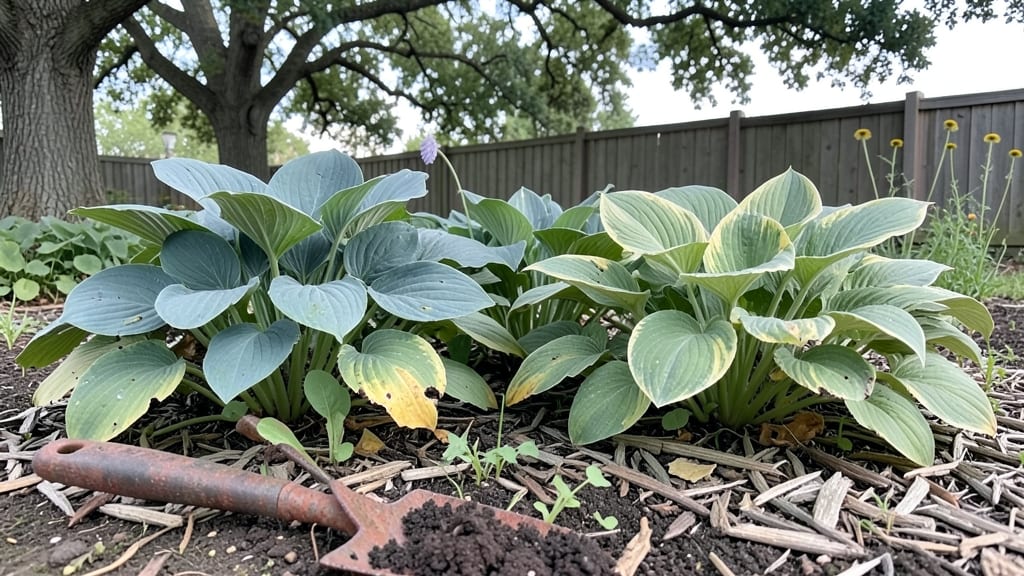
Planting hostas under oak trees turns a tricky spot into a lush, low-maintenance garden corner. 🌿 I’ve watched my oak-shaded hostas thrive where other plants struggle, and the secret lies in embracing the tree’s natural conditions rather than fighting them.
The key isn’t avoiding the oak—it’s working with its shade, acidic soil, and leaf litter to create a perfect microclimate for hostas.
You’ll need hosta varieties bred for deep shade—like ‘Blue Angel’ or ‘Halcyon’—that tolerate oak’s allelopathic chemicals. A thick layer of mulch (3-4 inches) suppresses weeds, retains moisture, and slowly breaks down oak leaves into rich, acidic humus.
Just avoid piling mulch directly against the tree trunk to prevent rot and pests.
By next spring, you’ll see bold foliage emerging where others see bare spots. These hostas grow faster under oak trees because the shade protects their leaves from scorching, and the leaf litter keeps soil cool and moist.
The trade-off? Less blooming, but the dramatic foliage more than makes up for it.
This method works year-round in zones 3-9, and the same principles apply whether you’re planting under red oaks, white oaks, or even young saplings. The only rule? Patience—hostas take 2-3 years to reach their full, showstopping potential in these conditions.
📚 In This Guide
- What you need
- Instructions
- Tips and common mistakes
- Wrapping up and next steps
What you need
- ● Hostas: 3–6 mature hosta plants (choose varieties like Hosta 'Blue Angel' or Hosta 'Francee', which thrive in shade).
- ● Acid-loving soil amendments: Peat moss or coconut coir (5–10 gallons, depending on planting area)
- ● Pine bark fines or finely shredded pine bark (5–10 gallons)
- ● Sulfur or aluminum sulfate (1–2 lbs, to lower soil pH if needed)
- ● Mulch: 2–3 inches of pine straw or wood chips (avoid cedar mulch—it’s toxic to hostas!).
- ● Organic compost: 1–2 bags (for nutrient-rich planting holes).
- ● Garden trowel or hand shovel
- ● Garden fork (for loosening soil)
- ● Pruners (to trim any invasive oak roots or suckers)
- ● Garden hose with spray nozzle (for watering)
- ○ pH testing kit (optional but helpful—aim for 5.0–6.0)
- ● Gloves (to protect your hands from oak tannins and soil)
- ● Wheelbarrow or bucket (for mixing amendments)
- ● Test your soil: Oak trees create acidic soil, but a quick pH test ensures your hostas won’t struggle. Adjust if needed!
- ● Clear the area: Remove weeds, rocks, or debris from the planting zone (hostas hate competition!).
- ● Check oak root depth: Hostas need at least 12–18 inches of soil depth—avoid planting where oak roots are shallow.
- ● Water source nearby: Hostas love moisture, so plan to water deeply 1–2 times per week after planting.
Step-by-Step guide to planting hostas under oak trees
Here's how to create a thriving shade garden with hostas that love oak tree conditions.
🌱 Step 1: Test and Amend the Soil for Acidic Conditions
Oak trees create acidic soil, which hostas love—but they need the right balance. Grab a soil test kit to check your pH. Hostas thrive in 5.5-6.5 pH, so if your soil tests higher, mix in 2-3 inches of peat moss or sulfur granules per planting hole. I like to work this into the top 6-8 inches of soil to ensure the roots get the right environment.
Don’t skip this step—hostas in alkaline soil turn yellow and wilt, no matter how much you water. If your soil is already acidic, just add 2-3 inches of compost to boost nutrients. Work it in gently so you don’t disturb the roots of nearby trees.
🪴 Step 2: Dig Holes and Prepare the Planting Site
Dig holes twice as wide as the hosta root ball but only 1 inch deeper—hostas hate sitting too low, which causes rot. Space them 2-3 feet apart for medium-sized varieties or 3-4 feet apart for giant types like 'Blue Angel.' I like to plant in early spring or fall when the soil is cool and moist.
Loosen the sides of the hole with a fork to help roots spread. If your oak tree has shallow roots, avoid digging deeper than 12 inches to prevent damaging them. A gentle slope toward the tree helps rainwater flow away from the base without disturbing the roots.
☀️ Step 3: Plant Hostas and Mulch for Moisture Retention
Place the hosta in the hole so the top of the root ball sits level with the ground. Backfill with the amended soil, pressing lightly to remove air pockets. Water deeply until the soil settles—you’ll see it sink about ½ inch. This ensures the roots make good contact with the soil.
Spread 2-3 inches of mulch around the base, keeping it 3 inches away from the stem to prevent rot. I use shredded bark or pine needles because they acidify slightly over time. Mulch keeps the soil cool and moist, which is critical under oak trees where roots compete for water.
💧 Step 4: Water and Monitor for Early Growth
Water deeply once a week for the first month, adjusting for rain. Hostas under oak trees dry out faster than in open ground, so check the soil 1 inch below the surface—if it’s dry, water again. Avoid overhead watering, which can spread fungal diseases in dense shade.
Watch for new leaves in 3-4 weeks. Healthy hostas have deep green, upright foliage. If leaves appear yellow or limp, it’s usually too much water or poor drainage. Adjust by letting the soil dry slightly between waterings and adding a layer of mulch if needed.
✂️ Step 5: Maintain and Divide Over Time
Hostas under oak trees need minimal care, but remove spent leaves in early spring to prevent slugs and diseases. Fertilize lightly in spring with acid-loving plant food to keep them vibrant. I skip heavy fertilizers—they can burn roots in compacted oak soil.
Divide clumps every 3-5 years when growth slows. Dig up the plant, separate the crowns, and replant the strongest sections. This keeps hostas healthy and prevents overcrowding. Mulch again after dividing to protect the roots during recovery.
Tips & tricks for planting hostas under oak trees
Hostas thrive under oak trees when you follow these key tricks that prevent common mistakes and maximize their potential.
Soil Testing is Non-Negotiable: Don't assume your oak soil is acidic enough just because hostas love acid. Grab a soil test kit to confirm the pH—hostas turn yellow and wilt in alkaline soil no matter how much you water them. If your soil tests above 6.5, mix in 2-3 inches of peat moss or sulfur granules per planting hole, working it into the top 6-8 inches. This creates the perfect 5.5-6.5 pH range without disturbing the tree's roots. I've seen hostas revive completely after this simple soil adjustment.
Root Ball Placement Matters: In Step 3, when you're planting, position the hosta so the top of the root ball sits level with the ground—never bury it deeper than 1 inch. Too-deep planting causes rot by preventing proper drainage in oak soil's natural moisture competition. After backfilling, press lightly to remove air pockets, then water deeply until the soil settles about ½ inch. This ensures roots make full contact with the amended soil.
Mulch Like a Pro: The 2-3 inches of mulch you add in Step 3 isn't just decoration—it's essential for moisture retention and acidification. I use shredded bark or pine needles because they acidify slightly over time while keeping soil cool. Keep mulch 3 inches away from the stem to prevent rot, and refresh it annually. This simple layering prevents the moisture competition that often kills hostas under oak trees.
Watering Wisdom: Those first 3-4 weeks after planting are critical. Water deeply once a week, but check the soil 1 inch below the surface—if it's dry, water again. Oak trees create dry shade, so hostas need consistent moisture without becoming waterlogged. I've found that adjusting watering based on soil moisture rather than a schedule prevents both yellowing from overwatering and wilting from underwatering.
Pro Tips for Planting Hostas Under Oak Trees
- Hostas thrive under oak trees when you follow these key tricks that prevent common mistakes and maximize their potential.
- Soil Testing is Non-Negotiable: Don't assume your oak soil is acidic enough just because hostas love acid.
- Root Ball Placement Matters: In Step 3, when you're planting, position the hosta so the top of the root ball sits level with the ground—never bury it deeper than 1 inch.
Frequently asked questions
Got questions about growing hostas under oak trees? You’re not alone—this combo can be tricky but rewarding! Here are answers to the most common concerns to help you thrive.
Can hostas really grow under oak trees without dying?
Yes! Hostas thrive under oaks if you prep the soil right. Oak trees create acidic, well-drained soil—perfect for hostas—but their roots compete for water. Mulch heavily (3–4 inches) and water deeply to keep them happy. Just avoid planting too close to the trunk where roots dominate.
When is the best time to plant hostas under an oak tree?
Spring or early fall are ideal. Avoid summer heatwaves or winter freezes, which stress young plants. If planting in fall, do it at least 6 weeks before frost. Pro tip: Container-grown hostas adapt faster than bare-root ones, giving them a head start against oak competition.
Will mushrooms or fungus grow around my hostas?
Mushrooms and fungi (like Armillaria) are common under oaks—they’re harmless but unsightly. To reduce them, improve airflow with proper spacing (18–24 inches between hostas) and avoid overwatering. If they spread aggressively, consider a fungicide like copper-based sprays for severe cases.
What if my hostas look yellow or wilted under the oak?
Yellow leaves often signal iron chlorosis (common in alkaline soil) or root competition. Test your soil—if pH is above 6.5, amend with sulfur or peat moss. Wilting? Check for dehydration (oaks steal water!) or root rot (too much moisture). Adjust watering and mulch to strike a balance.
Are there better shade plants than hostas for under oaks?
If hostas struggle, try these oak-friendly alternatives:
- Fern varieties (e.g., Osmunda cinnamomea): Tolerate dry shade and acidic soil.
- Hellebores (Lenten roses): Bloom early and handle oak competition well.
- Astilbes: Thrives in partial shade and adds color.
- Carex sedges: Grass-like, drought-tolerant, and low-maintenance.
Wrapping up and next steps
Planting hostas under oak trees is totally doable with the right prep—acid-loving soil, proper spacing, and mulch are your secret weapons! 🌱 These shade stars thrive where many plants struggle, turning your woodland garden into a lush, low-maintenance paradise.
Now that you’re armed with tips, grab those hostas and get ready to watch them flourish.
Your next step? Pick your hosta varieties—whether bold foliage or delicate blooms—and start digging! Happy planting! 🌿