
How To
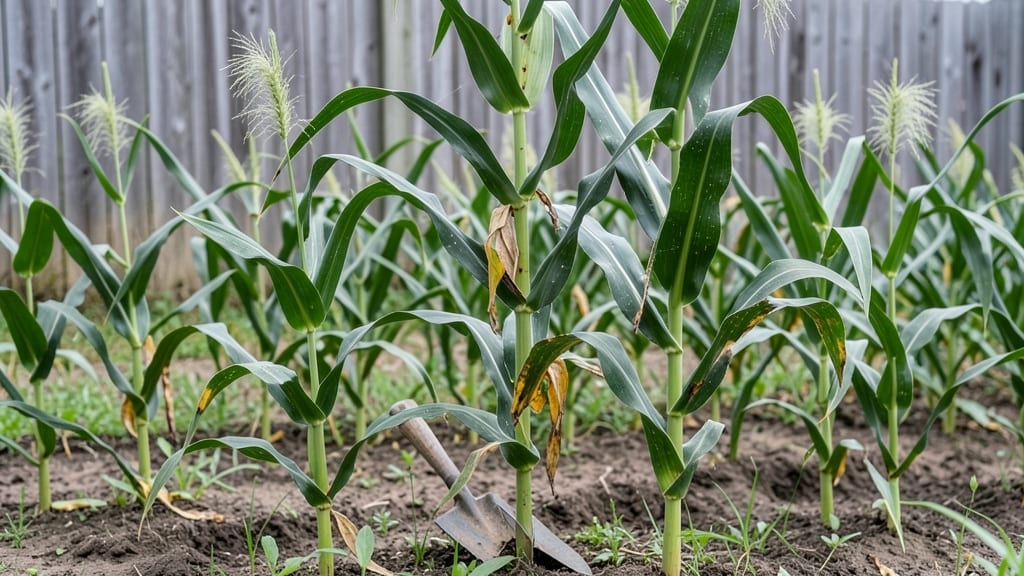
Maize thrives when you plant it right in warm, well-prepared soil. 🌱 I learned the hard way that rushing the process leads to weak stalks and poor yields—so I perfected a method that guarantees strong, early growth every season.
The key starts with soil that’s loose, nutrient-rich, and warmed by the sun, not cold and compacted from last year’s garden.
You’ll need just a few essentials: high-quality seeds (save heirloom varieties if you can), a sunny spot with at least 6-8 hours of direct light daily, and a way to control weeds before they compete with your young plants.
Organic compost or well-rotted manure works wonders for fertility, but avoid fresh manure—it burns tender roots. Planting too deep or too shallow throws off germination timing, so aim for 1-2 inches deep and 12-18 inches apart in rows.
Once planted, keep the soil consistently moist but not soggy—maize roots hate standing water. Within 7-14 days, you’ll see those first green shoots pushing through, and that’s when the real magic happens.
The plants grow fast, but they need steady care: regular weeding, occasional side-dressing with compost, and protection from pests like corn earworms. By midsummer, you’ll be harvesting ears that taste sweeter than anything you’ve bought at the store.
This method works in both tropical and temperate zones, though timing shifts with your climate. In warmer areas, you might plant twice a year; in cooler regions, wait until after the last frost.
The biggest mistake? Skipping soil prep or crowding plants too tightly. Trust the process, and you’ll end up with a stand of maize that’s the envy of the neighborhood.
📚 In This Guide
- What you need
- Instructions
- Tips and common mistakes
- Wrapping up and next steps
What you need
- ● Maize seeds: High-quality, disease-resistant varieties (e.g., Pioneer or Golden Bantam). Buy 2–3 lbs per 100 sq ft for optimal spacing.
- ● Soil: Well-draining, fertile loam (pH 6.0–7.0). Test and amend with compost or aged manure if needed.
- ● Fertilizer: Starter fertilizer: 10-10-10 or 5-10-10 NPK (apply at planting, 2–3 lbs per 100 sq ft).
- ● Side-dress fertilizer: 34-0-0 or 21-0-0 urea (½ lb per 100 sq ft, applied 3–4 weeks after emergence).
- ● Water: Drip irrigation or soaker hoses (maize needs 1–2 inches per week, especially during tasseling).
- ● Tools: Garden trowel or hoe for planting.
- ● Rake or cultivator for soil prep.
- ● Measuring tape or spacing grid (maize rows should be 30–36 inches apart; plants 12–18 inches apart).
- ● Mulch: Straw or black plastic to retain moisture and suppress weeds.
- ● Pest control: Row covers (for early planting) or neem oil spray (organic option).
- ● Trellis or stakes: For climbing varieties (if growing vertically).
- ● Soil moisture meter: To monitor watering needs during dry spells.
- ● Seedling trays: For starting seeds indoors (4–6 weeks before last frost).
Step-by-Step instructions for planting maize
Ready to grow sturdy, productive maize? Here’s my foolproof method for planting four healthy stalks in sunny soil.
🌱 Step 1: Prepare the Planting Site
Choose a location with full sun exposure—maize needs at least 6-8 hours of direct sunlight daily. Clear the area of weeds and loosen the top 6 inches of soil with a garden fork or tiller. This helps roots spread easily.
Maize thrives in well-draining soil with a slightly acidic to neutral pH (around 6.0-7.0). If your soil feels compacted or heavy, mix in a 2-inch layer of compost to improve fertility and drainage. You’ll know it’s ready when the soil crumbles easily between your fingers.
🌱 Step 2: Plant Seeds at the Right Depth and Spacing
Plant seeds 1 inch deep and 4 inches apart in rows spaced 3 feet apart. This gives each stalk room to grow without competing for nutrients. Use your finger to make small holes, drop in 2-3 seeds per hole, then cover lightly with soil.
Here’s the thing—planting too deep delays germination, while shallow planting risks drying out the seeds. Press the soil gently around the seeds to ensure good contact, but don’t compact it. Water the area lightly afterward to settle the soil without disturbing the seeds.
💧 Step 3: Water and Maintain Moisture
Keep the soil consistently moist but not soggy for the first 2-3 weeks after planting. Water deeply 1-2 inches per week, focusing on the base of the plants rather than overhead spraying. This prevents fungal diseases and encourages strong root development.
You’ll see the first sprouts emerge in 7-14 days, depending on soil temperature. Once they appear, thin the seedlings to the strongest stalk per hole, snipping the weaker ones at the base. This ensures the remaining plants have plenty of space to grow.
☀️ Step 4: Monitor Sunlight and Soil Health
Maize loves warmth, so ensure the soil stays above 60°F for optimal growth. If your area experiences late frosts, wait until all danger of frost has passed before planting. Once the plants reach 6 inches tall, add a 1-inch layer of mulch around the base to retain moisture and suppress weeds.
Watch for signs of stress like yellowing leaves or stunted growth—these often indicate either too much water or nutrient deficiencies. A balanced fertilizer applied 4-6 weeks after germination will keep your maize thriving until harvest.
⏰ Step 5: Harvest at Peak Ripeness
Maize is ready to harvest when the silks turn brown and the kernels are plump and milky when pierced with a fingernail. This usually happens 90-120 days after planting, depending on the variety. Cut the stalks with a sharp knife or pruners, leaving a few inches of stem attached.
Don’t wait too long—overripe maize loses sweetness and becomes tough. Once harvested, husk the ears and store them in a cool, dry place for up to a week. You’ll know they’re perfect when the kernels are firm but still tender.
Tips & tricks for perfect maize planting
Growing maize successfully starts with these simple but game-changing tricks that'll turn your garden into a cornfield goldmine.
Soil Prep Secret: Before loosening that top 6 inches of soil in Step 1, take a handful and squeeze it—if it holds together tightly, you definitely need that 2-inch compost layer. I've learned the hard way that compacted soil strangles roots before they even get started. Think of it like giving your maize a fluffy pillow to grow into.
Planting Precision: When making those 1-inch-deep holes in Step 2, use your finger to gauge depth rather than eyeballing it. Too shallow (less than 1 inch) means seeds dry out, while too deep (over 1.5 inches) delays germination. I like to make a small "V" with my finger to create a perfect seed nest—this keeps them perfectly positioned for sprouting.
Watering Wisdom: During those critical first 2-3 weeks in Step 3, water in the morning so excess moisture evaporates by evening. This prevents fungal diseases that thrive in damp conditions overnight. I set a timer for every 2-3 days to check soil moisture—stick your finger 1 inch down; if it feels dry, that's your cue to water.
Harvest Timing: The 90-120 day window in Step 5 can feel like forever, but here's the thing: morning harvests yield the sweetest corn. Maize converts starches to sugar during the night, so picking in the morning captures peak sweetness. Plus, the silks will be fully browned by morning light, giving you that perfect visual cue.
Pro Tips for Planting Of Maize
- Growing maize successfully starts with these simple but game-changing tricks that'll turn your garden into a cornfield goldmine.
- Soil Prep Secret: Before loosening that top 6 inches of soil in Step 1, take a handful and squeeze it—if it holds together tightly, you definitely need that 2-inch compost layer.
- Planting Precision: When making those 1-inch-deep holes in Step 2, use your finger to gauge depth rather than eyeballing it.
Frequently asked questions
Got questions about growing maize? You’re not alone—this versatile crop can be tricky for beginners! Here are answers to the most common queries to help you plant with confidence.
When is the best time to plant maize?
Maize thrives in warm soil, so aim to plant after the last frost when temperatures consistently stay above 60°F (15°C). In tropical regions, plant during the rainy season for natural irrigation. For cooler climates, wait until soil reaches at least 65°F (18°C) at a 2-inch depth—use a soil thermometer to check!
How long does it take for maize to grow?
From seed to harvest, maize typically takes 90–120 days, depending on the variety. Early-maturing hybrids (like ‘Silver Queen’) may ready in 70–80 days, while sweet corn can be harvested in as little as 60 days. Keep an eye on tassels (pollen-producing stalks)—when they turn brown, check for silks (white threads) emerging from the ear tips.
Can I plant maize in containers or small spaces?
Maize isn’t just for sprawling fields—dwarf varieties (like ‘Tom Thumb’) grow well in 5-gallon containers or raised beds. Just ensure each plant has at least 12–18 inches of space between stalks. For urban gardens, opt for bush varieties and trellis taller types to save space. Containers need daily watering since they dry out faster.
What should I do if my maize plants look wilted or have holes?
Wilted leaves or chewed foliage often signal pests (like corn earworms or cutworms) or disease (e.g., fungal blight). Start by removing affected leaves and inspecting soil moisture—wilting can also mean underwatering or poor drainage. For pests, handpick larvae or use row covers early in the season. Fungal issues? Improve airflow by spacing plants wider and avoid overhead watering.
Do I need to fertilize maize, and how often?
Maize is a heavy feeder, so enrich soil with balanced fertilizer (10-10-10) at planting, then again when plants reach knee-high (~6 inches). Side-dress with nitrogen-rich compost or a slow-release fertilizer every 4–6 weeks. Pro tip: Test your soil first—over-fertilizing can lead to excessive leaf growth at the expense of ears!
Wrapping up and next steps
Planting maize is a rewarding journey that connects you to the land and the cycle of life—whether you're a seasoned farmer or a curious beginner.
By following the right steps, from soil prep to harvest, you’ll unlock the potential of this versatile crop. Now’s your turn: grab those seeds, roll up your sleeves, and watch your sunny soil transform into a thriving maize field! 🌱 For even better results, experiment with local varieties or share tips with fellow gardeners—every harvest starts with a single seed.