
Propagation
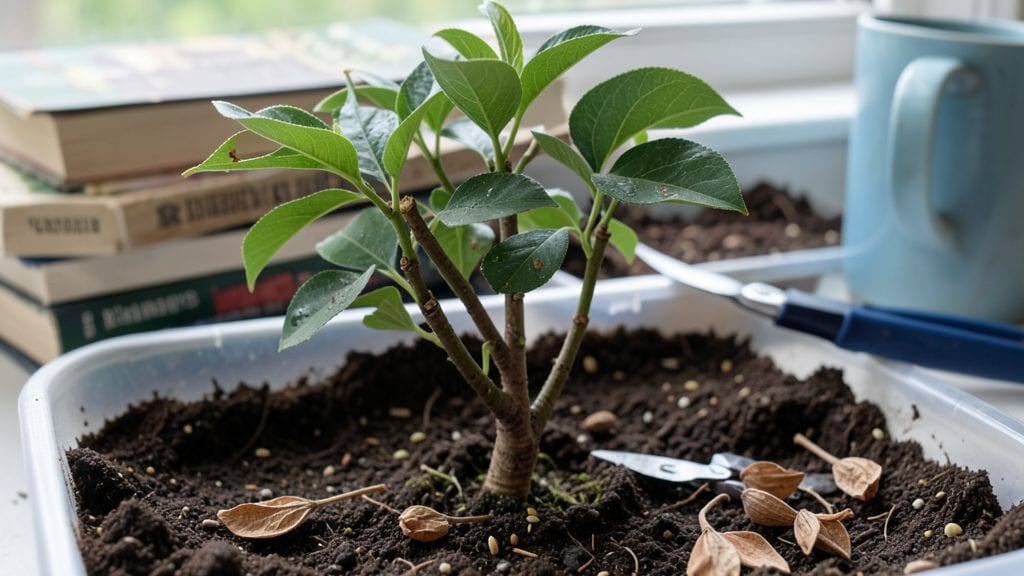
The fastest way to get lilac seeds sprouting is cold-stratifying them before planting—skipping this step means waiting months, if they even wake up at all. 🌱 I learned the hard way that lilac seeds need a winter chill to break their dormancy, and without it, germination rates drop to nearly zero.
The process mimics nature by tricking seeds into thinking they've survived a cold season, so they're ready to grow when spring arrives.
You'll need just a few simple supplies: fresh lilac seeds (collected in late summer), a plastic bag with a damp paper towel, and your fridge's crisper drawer for 6-8 weeks.
The key is keeping seeds consistently moist but not soggy during stratification—too much water drowns them, too little halts the process. Once stratified, plant them ¼ inch deep in well-draining soil and keep them in partial shade until true leaves appear.
What you'll end up with are sturdy lilac seedlings that can be transplanted into their permanent spot after 6-8 weeks of growth. The fragrance alone makes it worth the wait—imagine clusters of purple blooms filling your yard in just a few years.
This method cuts germination time from 6+ months to 4-6 weeks, and the seedlings grow stronger than those from store-bought plants.
Works best in zones 3-7, but even in warmer climates, a short cold snap can trigger germination. For those who want faster results, I'll share the backup plan: growing lilacs from cuttings, which produces identical plants in just 3-4 weeks.
Either way, you'll have lilacs thriving in your garden sooner than you think.
📚 In This Guide
- What you need
- Instructions
- Tips and common mistakes
- Wrapping up and next steps
What you need
- ● Lilac seeds: Fresh or store-bought (ensure they’re not hybrid varieties, as they may not be true to type). Aim for 10–20 seeds for a small batch.
- ● Cold-stratification supplies: Small paper towel or coffee filters (2–3 sheets)
- ● Plastic zip-top bag (1 quart-sized)
- ● Moistened sphagnum moss or paper towels (enough to lightly cover seeds)
- ● Seed-starting mix: A sterilized, well-draining potting mix (e.g., 50% peat moss, 50% perlite or vermiculite). You’ll need about 2–3 cups for small containers.
- ● Containers: Small seed trays or 4–6 inch pots (1–2 per seed)
- ● Plastic wrap or a humidity dome (to retain moisture)
- ● Spray bottle: For gentle watering (1 small bottle with a fine mist nozzle).
- ● Refrigerator: A cold, dark space (33–41°F / 0–5°C) for stratification (your fridge’s crisper drawer works great!).
- ● Grow lights: LED or fluorescent bulbs (1–2) for seedlings once they sprout (natural sunlight works too, but artificial light speeds up growth).
- ○ Heat mat: A seedling heat mat (optional for faster germination in cooler climates).
- ● Fertilizer: A balanced, water-soluble fertilizer (e.g., 10-10-10) for when seedlings are 2–3 inches tall.
- ● Labels & markers: To track seed varieties and planting dates (trust us, it helps!).
- ● Humidity tray: A shallow tray with pebbles and water to boost humidity around seedlings.
Step-by-Step guide to planting lilac seeds with cold stratification
Cold stratification unlocks lilac seeds' potential—here's how to break dormancy fast and grow strong seedlings.
🌱 Step 1: Harvest and Prepare Fresh Seeds
Collect ripe lilac seed pods when they turn brown and split open naturally. Remove the seeds from their papery casing and let them dry completely for 24-48 hours at room temperature. This prevents mold during stratification. I spread mine on a paper towel in a single layer, turning them occasionally to ensure even drying.
Once dry, store the seeds in a sealed container with a moist paper towel at the bottom to maintain humidity. Seal the container and refrigerate immediately—this mimics winter conditions and triggers germination. Check weekly for mold; if you see any, discard the batch and start fresh.
⏰ Step 2: Cold-Stratify for 60-90 Days
Place the sealed container in your refrigerator's crispier drawer (around 35-40°F), where humidity remains steady. The goal is to simulate winter's chill, breaking the seed's dormancy. I mark the container with the date and set a reminder—60-90 days is critical for lilacs, though some varieties may need up to 120 days for full germination success.
Resist the urge to peek too often—temperature fluctuations can disrupt the process. When you open the container, you'll see some seeds may have sprouted tiny roots or cracked shells. This is normal and signals they're ready for planting. If no progress appears after 90 days, extend stratification another 30 days before proceeding.
🪴 Step 3: Plant Stratified Seeds in Light Mix
Fill 4-inch pots with a sterile seed-starting mix (never garden soil—it's too dense). Moisten the mix until it's damp but not soggy, then press it down lightly to create a firm planting surface. Lilac seeds are tiny, so I use a toothpick to create ¼-inch-deep holes in a grid pattern, spacing them ½ inch apart.
Place 1-2 seeds per hole and cover lightly with additional mix, ensuring the seeds aren't buried deeper than ⅛ inch. Gently mist the surface with water until the soil looks uniformly moist. Label each pot with the variety and date—lilac seedlings take 2-3 years to flower, so tracking progress is key.
☀️ Step 4: Provide Warmth and Indirect Light
Move the pots to a warm location (around 65-70°F) with bright, indirect light. A south-facing window works, but avoid direct sun, which can overheat the soil. If your space lacks natural light, use a grow light positioned 4 inches above the seedlings for 12-14 hours daily. Lilac seedlings are slow to germinate—expect sprouts in 3-6 weeks, though some may take up to 3 months.
Keep the soil consistently moist but never waterlogged. I use a spray bottle to avoid disturbing the seeds and check moisture by sticking my finger ½ inch deep—if it feels dry, it's time to water. Once seedlings emerge, thin to the strongest one per pot, snipping the weaker stems at the base with clean scissors.
🌿 Step 5: Harden Off and Transplant Young Seedlings
After 4-6 weeks of growth, when seedlings show 2-3 sets of true leaves, begin hardening them off. Place the pots outside in partial shade for 1-2 hours the first day, gradually increasing exposure over 7-10 days to full sun. This prepares them for outdoor conditions and prevents transplant shock.
Choose a cool, overcast day to transplant into the garden. Dig a hole twice as wide as the root ball and slightly deeper than the pot. Space seedlings 3-4 feet apart—lilacs grow large and need room to thrive. Water deeply after planting to settle the soil and encourage root establishment. Mulch around the base with 2 inches of organic mulch to retain moisture and suppress weeds.
Tips & tricks for perfect lilac seed germination
Cold stratification might seem like a slow process, but these pro tips will help you maximize your lilac seeds' potential while keeping everything on track for fast, successful germination.
Drying Strategy: In Step 1, when drying your seeds for 24-48 hours, I recommend placing them in a single layer on a paper towel inside a mesh bag. This allows airflow while preventing seeds from rolling away or getting lost. Keep them in a warm, dry spot—around 70°F works perfectly. If you notice any seeds developing mold after 24 hours, remove them immediately and extend drying time for the rest by another 12 hours. This prevents contamination of your entire batch.
Stratification Container Hack: For Step 2, use a clear plastic container with a tight-fitting lid for your stratification setup. The transparency lets you monitor progress without opening the container, which maintains consistent 35-40°F temperatures. I like to place a small piece of masking tape on the outside with the start date—this helps track the 60-90 day timeline without disturbing the seeds. If you don't have a crispier drawer, the main fridge body works fine, just avoid the freezer door where temps fluctuate more.
Planting Precision: When creating those ¼-inch-deep holes in Step 3, I find using a toothpick works best, but if you're planting many seeds, consider a fine-tipped ice cream scoop or even a pencil with the tip sharpened. The key is consistency—all holes should be the same depth. For the ½-inch spacing, I draw a grid on the bottom of my pot with a water-soluble marker before adding soil. This ensures perfect placement every time, which becomes especially important when dealing with tiny lilac seeds that might not all germinate simultaneously.
Lighting Setup: For Step 4's 12-14 hours of daily light, position your grow light so it's just above the seedlings when they reach their final height. This prevents you from having to adjust the light as they grow. I use a simple timer on my light to automate the 12-14 hour cycle, which saves time and ensures consistency. If using natural light, rotate your pots daily so all seedlings get equal exposure—this prevents them from leaning toward one side as they grow toward the light.
Pro Tips for Planting Lilac Seeds
- Cold stratification might seem like a slow process, but these pro tips will help you maximize your lilac seeds' potential while keeping everything on track for fast, successful germination.
- Drying Strategy: In Step 1, when drying your seeds for 24-48 hours, I recommend placing them in a single layer on a paper towel inside a mesh bag.
- Stratification Container Hack: For Step 2, use a clear plastic container with a tight-fitting lid for your stratification setup.
Frequently asked questions
Got questions about planting lilac seeds?
You’re not alone! Here are answers to the most common queries—from timing to troubleshooting—to help you grow thriving lilacs from seed.
How long does it take for lilac seeds to germinate?
With cold-stratification, lilac seeds typically germinate in 4–12 weeks. Patience is key—some may take longer, especially if moisture or temperature fluctuates. Keep soil consistently damp and warm (around 70°F) to encourage sprouting.
Can I skip cold-stratification and plant seeds directly outdoors?
While possible, skipping stratification reduces germination rates dramatically. Lilac seeds need the natural winter chill (or a fridge substitute) to break dormancy. If you plant them raw, expect far fewer (or no) seedlings. For best results, always cold-stratify for 60–90 days before planting.
What’s the best time of year to plant lilac seeds?
The ideal window is early spring (March–April), right after cold-stratification. This aligns with warming soil and longer daylight, giving seedlings a head start. Avoid planting in late summer/fall—young lilacs struggle with winter cold without established roots.
Why aren’t my lilac seeds sprouting? Troubleshooting tips
- Check moisture: Overwatering suffocates seeds; underwatering dries them out. Aim for consistently damp (not soggy) soil.
- Verify stratification: Ensure seeds spent at least 60 days in the fridge (or buried outdoors in winter).
- Test seed viability: Soak a few seeds in water—if they sink, they’re likely viable. Floaters? Toss them.
- Light exposure: Seeds need indirect light (like a sunny windowsill) to germinate; direct sun can overheat them.
Still no luck? Try fresh seeds—viability drops after 1–2 years.
Should I start lilac seeds indoors or outdoors?
For beginners, indoor sowing (6–8 weeks before last frost) is easier—it gives seedlings a protected start. Once they’re 3–4 inches tall, transplant them outdoors. Outdoor sowing works too, but requires more patience and protection from pests/deer.
Wrapping up and next steps
Planting lilac seeds is a rewarding journey that blends patience with the joy of nurturing new life. By following the steps for cold-stratification and providing the right conditions, you’ll set the stage for faster and healthier germination.
Whether you’re a seasoned gardener or just starting out, your lilac seedlings will soon become a fragrant and beautiful addition to your garden—keep going, you’ve got this!
Next steps:
- Monitor your seeds weekly and adjust moisture as needed.
- Once sprouts appear, transplant them carefully into individual pots.
- Share your progress with fellow gardeners—inspiration spreads like wildflowers! 🌸