
Lawn
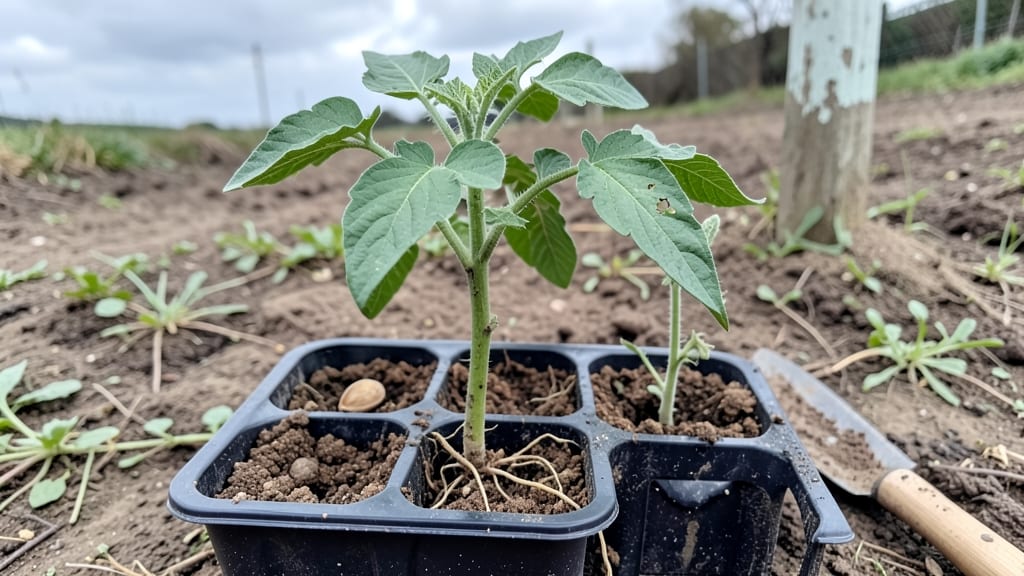
A seed planting schedule 🌱 is your secret weapon for a garden that thrives all year—whether you're growing tomatoes, marigolds, or heirloom beans.
Timing is everything in gardening—plant seeds too early or late, and your hard work could go to waste. This month-by-month guide ensures you never miss a window, no matter if you're in a warm coastal zone or a chilly inland climate.
From frost-sensitive peppers to hardy kale, each plant has its own ideal moment to hit the soil. Learn how to adjust for early springs, late summers, and everything in between—so you can enjoy fresh harvests without the guesswork.
Ready to transform your garden? Below, I break down the best months for every type of seed, plus pro tips to stretch your growing season and avoid common mistakes.
Month-by-month seed planting schedule by climate Zone
Getting your seed planting schedule right means the difference between a thriving garden and wasted effort. The USDA climate zones 3-10 each have unique frost dates and temperature ranges, so I’ve broken down the best times to plant cool-season and warm-season crops for your region.
Whether you’re in a cold northern zone or a warm southern one, this guide keeps your garden productive year-round.
Cool-season crops like lettuce, spinach, and kale thrive in cooler temperatures (40-75°F), while warm-season plants such as tomatoes, peppers, and cucumbers need warm soil (60°F+) and consistent heat.
Below, I’ve organized planting windows by month and zone to help you avoid frost damage and maximize yields.
Pro Tip: Always check your last frost date—a quick online search for your ZIP code will give you the exact timeline. For example, Zone 3 might have a last frost in mid-May, while Zone 10 could be planting year-round with minimal frost risk.
🌱
How to adjust your seed planting schedule for early or late seasons
Even the most experienced gardeners face challenges when the growing season feels too short. Whether you're dealing with early spring frosts or late summer heat waves, adjusting your seed planting schedule can make all the difference.
The key is understanding how to extend your season using simple tools and techniques that protect young plants while maximizing your harvest.
Your last frost date is the most critical factor in planning, but it’s not the only one. Row covers, cold frames, and succession planting can shift your schedule by weeks—sometimes even months.
For example, a cold frame can let you plant spinach or lettuce 4-6 weeks earlier in spring or keep them growing 3-4 weeks later in fall. Meanwhile, succession planting ensures a steady supply of radishes or green onions all season long.
- Calculate your last frost date: Use the USDA Plant Hardiness Zone Map and local weather records to pinpoint when to start warm-season crops like tomatoes or peppers. In Zone 6a, this is typically around April 15, but check your exact location.
- Use row covers for early starts: Lightweight frost blankets can protect seedlings from light frosts down to 25°F. Lay them over broccoli or cabbage in late winter to jumpstart growth.
- Extend fall planting with cold frames: A clear plastic or glass cold frame raises soil temps by 10-15°F, letting you grow kale or carrots until November in many climates.
- Master succession planting: Sow fast-growing crops like radishes or lettuce every 2-3 weeks to ensure a continuous harvest. This works even in small spaces!
- Adjust for heat-sensitive plants: In hot climates, start heat-tolerant varieties like okra or sweet potatoes 2-3 weeks earlier. Use shade cloth to protect basil or cucumbers from wilting.
- Plan for late-season harvests: Choose short-day plants like pumpkins or winter squash for fall planting. They mature faster in cooler temps.
- Monitor soil temps: Use a soil thermometer to ensure seeds like beans or peas are planted when soil is at least 50°F. Cold soil delays germination.
One of my favorite tricks is using row covers to start cool-season crops like spinach or peas in early spring. I’ve seen spinach seedlings emerge in March when air temps are still below freezing—just because the soil stays warm enough under the cover.
For late-season extensions, a cold frame is a game-changer. Last year, I kept bok choy growing until mid-November in Zone 7, thanks to a simple DIY cold frame made from wood and plexiglass.
Don’t overlook succession planting, either. It’s the secret to avoiding gluts and gaps in your harvest. For example, I plant radishes every 10 days from April through July. This ensures I always have fresh radishes on hand, while also preventing pests from overrunning one massive planting.
Even in a 10x10-foot garden, you can fit multiple plantings of green onions or lettuce by staggering rows.
If you’re in a hot climate, focus on shade-loving crops and drought-resistant varieties. Plants like Swiss chard or malabar spinach thrive in 90°F+ temps and can be planted earlier than heat-sensitive lettuce or cilantro.
For late-season planting, opt for fast-maturing crops like bush beans or turnips, which can be sown as late as August in many regions.
Finally, always keep a gardening journal to track what works in your specific microclimate. Note which adjustments—like row covers or succession plantings—give you the best results. Over time, you’ll refine your schedule to fit your unique growing conditions, ensuring a longer, more productive season every year. 🌱