
Flowers
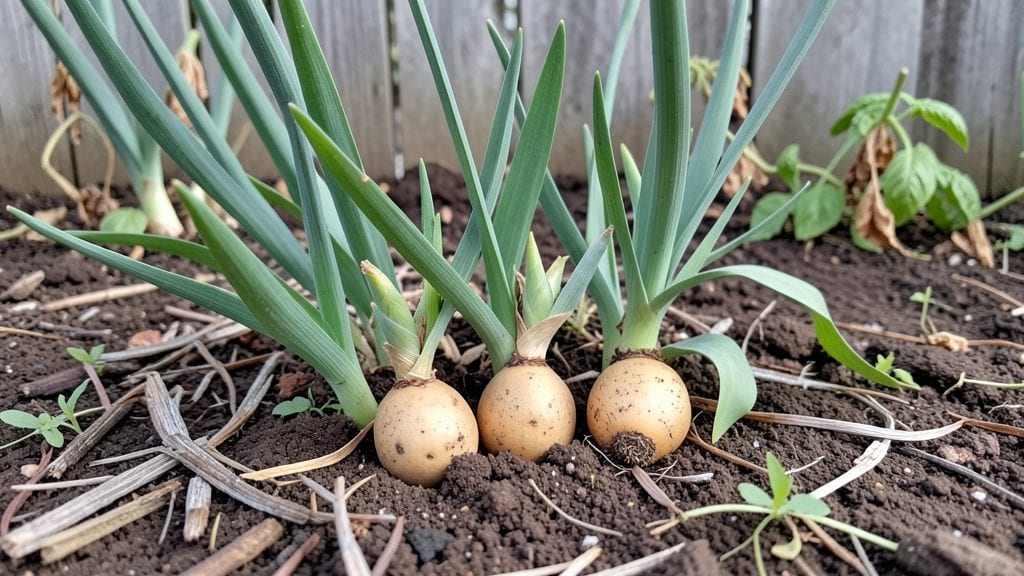
Planting gladiolus corms turns your garden into a vertical explosion of color—tall, dramatic spikes that beg for compliments. ✨ I’ve planted these showstoppers for years, and the secret isn’t complicated: it’s about timing, depth, and a little patience for those bold stems to emerge.
Most beginners overthink the soil or spacing, but the real magic happens when you get the basics right.
The process is simpler than it looks: grab some well-draining soil, dig holes about 6 inches deep, and space corms 5-6 inches apart. Plant them in late spring after the last frost, and watch for those first shoots within 2-3 weeks.
The key is keeping the soil consistently moist but not soggy—gladiolus hate wet feet, and that’s when rot sneaks in.
By midsummer, you’ll have 3-4 foot stems bursting with vibrant blooms that last for weeks. The flowers attract pollinators, and the foliage adds texture to any border.
Just don’t skip the fertilizer—feed them every 4-6 weeks with a balanced mix, and they’ll reward you with bigger, bolder blooms than you’d expect.
Works in full sun or partial shade, though the stems lean toward the light. Perfect for cutting gardens, borders, or even containers if you’re short on space. Here’s how to do it without the guesswork—no green thumb required.
📚 In This Guide
- What you need
- Instructions
- Tips and common mistakes
- Wrapping up and next steps
What you need
- ● Gladiolus corms: 5–10 healthy, firm corms per plant (choose based on desired flower density). Opt for sizes between 1–2 inches in diameter for best results.
- ● Well-draining soil: A mix of garden soil, compost, and perlite (ratio: 60% soil, 30% compost, 10% perlite) to prevent rot.
- ● Garden fork or tiller: For loosening soil to a depth of 12–15 inches.
- ● Planting hole tool or trowel: A 6-inch garden trowel works perfectly for digging individual holes.
- ● Balanced fertilizer (10-10-10 or 5-10-10): 1–2 tablespoons per hole to give your corms a nutrient boost.
- ● Watering can or hose with a gentle spray nozzle: For even moisture without disturbing the soil.
- ○ Mulch (optional but recommended): Straw or shredded leaves to retain moisture and regulate temperature.
- ● Cactus/succulent soil blend: If your area has heavy clay soil, mix in 20% of this blend for better drainage.
- ● Planting stakes or cages: To support tall varieties (especially useful for windy areas).
- ● Organic fungicide (e.g., neem oil): A proactive spray to prevent fungal diseases in humid climates.
- ● Garden gloves: To keep your hands clean while handling corms and soil.
Step-by-Step instructions for planting gladiolus corms
Here's the straightforward method I use to grow tall, show-stopping gladiolus every summer.
🪴 Step 1: Prepare the Planting Site and Soil
Gladiolus thrive in well-draining soil with plenty of sunlight. Choose a spot that gets full sun (6+ hours daily) and has loose, fertile soil. If your garden soil is heavy clay, mix in 2-3 inches of compost to improve drainage and nutrient content.
Work the soil to a depth of 12 inches, breaking up any compacted layers. I like to add a handful of 5-10-10 fertilizer per planting hole to give the corms a nutrient boost right from the start. Avoid fresh manure—it can burn the corms and delay blooming.
🌱 Step 2: Plant Corms at the Right Depth and Spacing
Plant gladiolus corms 4-6 weeks before your last frost date—they need time to establish roots before summer heat arrives. Dig holes 4-6 inches deep, spacing them 6 inches apart in rows that are 18 inches apart. The corm should sit with its pointed end facing up.
I always plant them in a slight trench rather than individual holes—this makes watering easier and helps prevent corms from drying out. Cover the corm with soil and water gently to settle it in place. If planting in fall, wait until temperatures drop below 60°F to avoid rot.
☀️ Step 3: Water and Maintain Through the Growing Season
Water gladiolus 1-2 inches per week, keeping the soil consistently moist but never soggy. The key is deep watering—soak the soil to 12 inches deep once a week rather than light sprinkles daily. You'll see the young shoots emerge in 2-3 weeks, signaling it's time to reduce water slightly to encourage strong stem growth.
Apply a balanced fertilizer (10-10-10) every 4-6 weeks during the growing season to support those towering stems. Stake taller varieties with 6-foot stakes before blooming begins—once the flowers open, the stems are too heavy to support themselves.
✂️ Step 4: Deadhead and Prepare for Next Year
Remove faded blooms by cutting the stem 2 inches above the last flower to redirect energy to the corm. This keeps your garden looking tidy and encourages new growth. After the first frost, cut back the foliage to 2 inches above ground level and leave the corms in the ground if your winters are mild.
In colder climates, dig up the corms after the first frost, shake off excess soil, and store them in a cool (40-50°F), dry place until spring. I label each corm with the variety—next year's blooms will be even more spectacular!
Tips & tricks for perfect gladiolus planting
Here's what I've learned after years of growing show-stopping gladiolus—simple tweaks that make all the difference.
Soil Preparation Secret: The 12-inch soil depth in Step 1 is non-negotiable for gladiolus. I like to add a thin layer of coarse sand to clay-heavy soils—it improves drainage without altering the soil structure. For even better results, work in a handful of perlite or vermiculite when mixing your compost. This creates tiny air pockets that prevent corm rot, especially important during those first critical weeks of root establishment.
Planting Timing Strategy: That 4-6 week window before last frost isn't just about time—it's about temperature. Corms need soil temps between 55-65°F to sprout properly. If your spring warms quickly, you can plant earlier in cooler climates. I always check soil temperature with a simple thermometer before planting to avoid waiting too long. Fall planting below 60°F prevents rot, but don't rush—wait until nighttime temps consistently stay below that mark.
Watering Wisdom: The 1-2 inches per week guideline works, but timing matters more than quantity. Water in the morning so foliage dries quickly, preventing fungal diseases. After those first 2-3 weeks when shoots emerge, I switch to a drip irrigation system set on a timer—it delivers water directly to the roots without wetting the leaves. This keeps the soil consistently moist at that crucial 12-inch depth without overwatering.
Fertilizer Application: That 10-10-10 fertilizer in Step 1 and again every 4-6 weeks is perfect, but I've found a little extra phosphorus boosts blooms. At planting time, I mix in a pinch of bone meal (about 1 tablespoon per hole) for that extra phosphorus kick. During the growing season, I alternate between the 10-10-10 and a bloom-specific fertilizer like 5-10-10 to encourage those dramatic flower spikes.
Pro Tips for Planting Gladiolus Corms
- Here's what I've learned after years of growing show-stopping gladiolus—simple tweaks that make all the difference.
- Soil Preparation Secret: The 12-inch soil depth in Step 1 is non-negotiable for gladiolus.
- Planting Timing Strategy: That 4-6 week window before last frost isn't just about time—it's about temperature.
Frequently asked questions
Got questions about planting gladiolus corms? You’re not alone! Here are some of the most common queries—plus quick, expert-backed answers to help you grow showstopping blooms with confidence.
When is the best time to plant gladiolus corms?
Gladiolus thrive in warm soil, so aim to plant them 2–3 weeks after your last frost date when temperatures consistently stay above 50°F (10°C). In mild climates, late spring (April–May) works best. If you’re in a cooler zone, wait until June to avoid frost damage. Pro tip: Use a soil thermometer to check—plant when soil is at least 60°F (15°C)!
How deep and far apart should I plant gladiolus corms?
Dig holes 4–6 inches deep (twice the corm’s height) and space them 6 inches apart in rows 12–18 inches apart. This gives roots room to spread and prevents overcrowding. Bonus: Plant deeper in sandy soil or hot climates to keep corms cool. For a dramatic display, try 3–4 corms per hole—just space them evenly!
Can I plant gladiolus corms in containers?
Gladiolus grow beautifully in deep containers (at least 12 inches tall) with drainage holes. Use a well-draining potting mix (add perlite or sand for extra airflow). Plant 1–2 corms per container, and place them in a sunny spot. Warning: Containers heat up faster—water regularly and move pots to shade if temps exceed 85°F (29°C).
Why aren’t my gladiolus corms blooming?
No blooms? Check these fixes:
- Not enough sun: Gladiolus need 6+ hours of direct sunlight daily.
- Overcrowding: Thin corms to 6 inches apart for better airflow.
- Poor soil: Amend with compost or aged manure for nutrients.
- Improper timing: Plant too early? Wait until soil warms up.
- Pests/disease: Check for thrips or rot—treat with neem oil or fungicide if needed.
Do gladiolus come back every year?
Gladiolus are tender perennials—they can return yearly in warm climates (Zones 8–10), but most gardeners treat them as annuals for easier control. In colder areas, dig up corms after foliage dies back, cure them in the sun for 1–2 weeks, then store in a cool, dry place (like a paper bag with peat moss) until replanting next spring.
Wrapping up and next steps
Planting gladiolus corms is your ticket to dramatic, long-stemmed blooms that’ll steal the show in your garden! 🌸 With the right timing, soil prep, and a little patience, you’ll enjoy vibrant colors and sturdy stems—perfect for cutting or admiring.
Now that you’re armed with the know-how, grab those corms and get planting—your future bouquets (or garden centerpieces) are just a few weeks away!
💡 Next step: Mark your calendar for spring planting (or adjust for your climate) and watch your garden transform into a floral masterpiece! Need more inspiration? Browse gladiolus varieties or pair them with complementary plants for a show-stopping display. Happy gardening! 🌱